
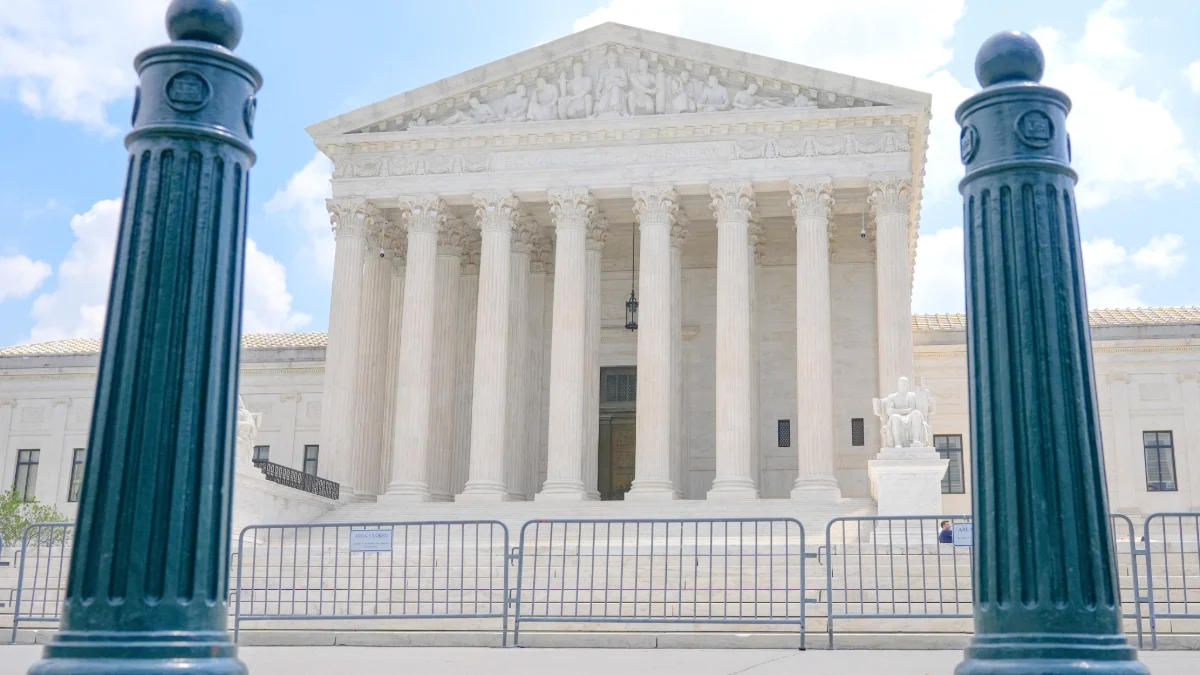
The U.S. Supreme Court has issued a pivotal ruling in Chatrie v. United States, determining that law enforcement generally must obtain a warrant based on probable cause before demanding users’ location data from Google. This decision highlights not only constitutional safeguards around digital privacy but also the influential role major technology companies now play in shaping police surveillance practices.
What Happened
On June 29, 2026, the Supreme Court weighed in on the use of geofence warrants — police demands for location data within a specific geographic area — specifically involving Google’s comprehensive collection of user location history. The case arose when Virginia police, investigating a bank robbery, sought a geofence warrant to acquire data on all electronic devices situated within 150 meters of the crime scene. Google’s involvement was extensive: the company interacted with law enforcement to narrow down relevant users, ultimately identifying the defendant, Okello Chatrie, who was convicted and sentenced to over a decade in prison.
The Court acknowledged that this form of search is “uncommon” and noted the vast scope of data Google handles, dubbing it a “virtual panopticon” facilitating unprecedented government surveillance. While affirming that police should usually secure a warrant before accessing such data, the ruling returned the case to the Fourth Circuit for further examination.
Key Facts
The Supreme Court ruling expressly addresses the constitutional Fourth Amendment’s warrant requirements. Since 2020, Google has enforced a corporate policy refusing to comply with geofence demands that lack proper warrants. Other technology companies like Lyft, Uber, and Apple have generally declined geofence requests, leaving Google as the primary source responding to these law enforcement demands.
In reaction to privacy concerns and growing geofence requests, Google announced in 2023 that user location data would be encrypted and stored locally on devices, limiting its ability to comply with future warrants for such information. This policy change effectively restricts law enforcement access to the comprehensive location data it previously obtained.
Notably, U.S. federal legislation to regulate police use of geofence warrants is absent, with no significant Congress-passed privacy laws addressing this issue, except for Utah’s state law limiting this investigative technique.
What This Means
This ruling underscores a critical shift in how digital surveillance is regulated in the United States. Traditionally, courts have set the legal boundaries for police investigative methods to protect constitutional rights. Now, private corporations like Google have substantially influenced or effectively controlled access to sensitive data, acting as gatekeepers in the surveillance ecosystem.
This change means that law enforcement’s ability to conduct investigations using advanced digital tracking tools depends in part on corporate policies rather than exclusively on judicial decisions or legislation. While this may sometimes benefit privacy by creating technical barriers to data access, it also places essential elements of law enforcement oversight in the hands of unelected companies, raising concerns about accountability, transparency, and democratic governance.
For ordinary citizens, the ruling affirms that their location data enjoys constitutional protections requiring judicial oversight. However, the case also prompts broader questions about how emerging digital surveillance techniques should be governed and who should hold ultimate authority over these powerful investigative tools.
Background
The Fourth Amendment historically limits unreasonable searches and seizures by law enforcement, requiring warrants supported by probable cause for many investigations. Geofence warrants represent a relatively new investigative method enabled by digital location tracking technologies provided by companies like Google, which collects continuous and detailed location histories from users’ devices.
Before this ruling, courts and lawmakers grappled with how constitutional protections apply to bulk location data and the extent to which companies must assist law enforcement. Google’s policy shift toward local encryption in 2023 marked an unprecedented corporate move restricting government access outside of judicial oversight.
The Bigger Picture
The Supreme Court’s decision in Chatrie v. United States is emblematic of wider challenges posed by the intersection of technology, privacy, and law enforcement. As police tools evolve to exploit vast troves of digital data, traditional legal frameworks are strained to keep pace. Meanwhile, tech companies wield significant influence over investigative practices through their data storage and sharing policies.
This dynamic presents a delicate balance: technological cooperation can aid crime solving but also risks privacy violations and potential misuse targeting vulnerable groups such as immigrants, protesters, or those seeking reproductive care. The ruling hints at the growing need for lawmakers to develop clear, enforceable regulations that govern the use of digital surveillance tools.
What Remains Unclear
The Supreme Court’s remand of the case to the Fourth Circuit leaves unresolved some questions about the specific thresholds and standards for warrant issuance in geofence cases. Additionally, federal legislative action to govern technology-facilitated police investigations remains uncertain, with Congress yet to pass comprehensive privacy protections covering these issues.
What Comes Next
The Fourth Circuit is tasked with further review of the case to apply the Supreme Court’s guidance on warrant requirements for this type of search. Ongoing legal proceedings and potential future cases will clarify the practical impact of this ruling. Meanwhile, policymakers and privacy advocates continue to debate the necessity of legislative frameworks to regulate geofence warrants and similar surveillance methods systematically.
Sources
This article is based on reporting and publicly available information from the following sources:
Read more Digital Policy stories on Goka World News.