
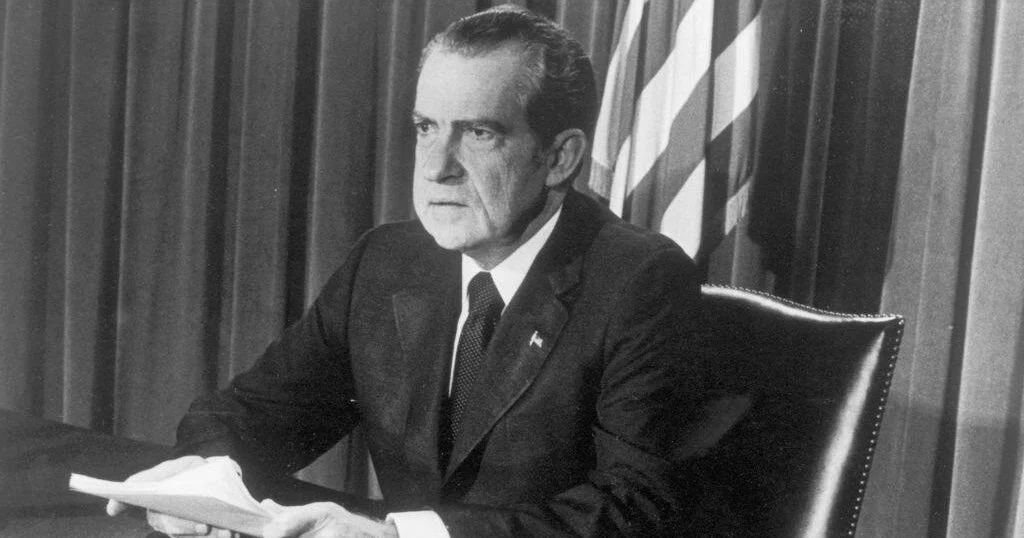
Throughout more than two centuries of the United States’ history, a handful of presidential speeches have profoundly influenced the nation’s political direction and social fabric. These landmark addresses—from George Washington’s farewell to Richard Nixon’s resignation—have shaped American ideals, foreign policy, civil rights, and governance in ways still felt today.
What Happened
The article highlights six defining presidential speeches that left indelible marks on U.S. history. George Washington’s 1796 written farewell address established a precedent for two-term service and warned against political factionalism, delivered via print rather than public speech. In 1823, President James Monroe issued the Monroe Doctrine in a message to Congress, asserting U.S. opposition to European colonial interference in the Western Hemisphere—a policy influencing American foreign relations for centuries.
Abraham Lincoln’s brief but powerful Gettysburg Address in 1863 honored Union soldiers after the pivotal battle and reinforced the principles of democracy. Nearly seven decades later, Franklin D. Roosevelt’s first inaugural speech in 1933 confronted America’s Great Depression with a mix of realism and optimism, famously declaring, “the only thing we have to fear is fear itself,” and outlining his New Deal vision.
In 1965, following violent attacks on civil rights protesters in Selma, Alabama, President Lyndon B. Johnson addressed Congress, urging passage of the Voting Rights Act to combat racial discrimination in voting. Finally, amid the Watergate scandal in 1974, President Richard Nixon became the first U.S. president to resign, delivering a televised speech placing national interest above personal tenure.
Key Facts
Key details include the dates of each speech: Washington’s farewell on September 19, 1796; Monroe’s Doctrine on December 2, 1823; Lincoln’s Gettysburg Address on November 19, 1863; Roosevelt’s inaugural address on March 4, 1933; Johnson’s “American Promise” speech on March 15, 1965; and Nixon’s resignation speech on August 8, 1974.
Washington’s farewell address was never delivered in person but published in the press. The Monroe Doctrine warned that European powers extending their system into the hemisphere would threaten U.S. peace. Lincoln’s Gettysburg Address followed the bloodiest battle of the Civil War, which caused over 51,000 casualties.
Roosevelt’s address came after defeating Herbert Hoover amid the Great Depression. Johnson’s speech was delivered eight days after “Bloody Sunday” events and preceded the Voting Rights Act he signed five months later. Nixon’s resignation came as impeachment loomed due to the Watergate scandal, leading to Gerald Ford’s succession as president the next day.
What This Means
These speeches collectively encapsulate critical moments when presidential rhetoric influenced the country’s trajectory on governance, democracy, civil rights, and foreign policy. Washington’s warnings against factions and two-term precedent helped stabilize the young republic’s political system. The Monroe Doctrine asserted an enduring U.S. sphere of influence in the Americas and shaped diplomatic strategies through the Cold War and beyond.
Lincoln’s Gettysburg Address reframed the American Civil War as a struggle not just for Union preservation but for the ideals of democracy “government of the people, by the people, for the people.” Roosevelt’s candid acknowledgment of economic hardship, paired with hope and a call for action, helped restore public confidence and institutionalized a more activist government role in economic recovery.
Johnson’s strong push for voting rights legislation marked a turning point in the civil rights movement, aiming to dismantle systemic racial barriers and promote inclusivity in democracy. Nixon’s resignation speech set a precedent for presidential accountability under constitutional crisis, reinforcing the principle that no person, not even the president, is above the law.
Background
Washington’s farewell address established norms that guided future U.S. presidencies, including voluntary two-term limits until codified by the 22nd Amendment. The Monroe Doctrine arose amid fears of European colonial resurgence in a hemisphere where many nations had gained independence. Its invocation persisted during the Cuban Missile Crisis and into modern political discourse, including references by President Trump.
Lincoln’s Gettysburg Address followed the Union victory at one of the Civil War’s bloodiest battles, rallying support for continued efforts to end the conflict and abolish slavery. Roosevelt’s inaugural address represented a decisive break from Hoover-era policies, aiming to rebuild national morale amidst economic despair.
Johnson’s speech responded to national outrage over Bloody Sunday, channeling momentum toward landmark civil rights legislation. Nixon’s resignation ended a constitutional crisis triggered by the Watergate scandal, a pivotal moment in U.S. political history affirming the rule of law.
Sources
This article is based on reporting and publicly available information from the following sources:
Read more Politics stories on Goka World News.