
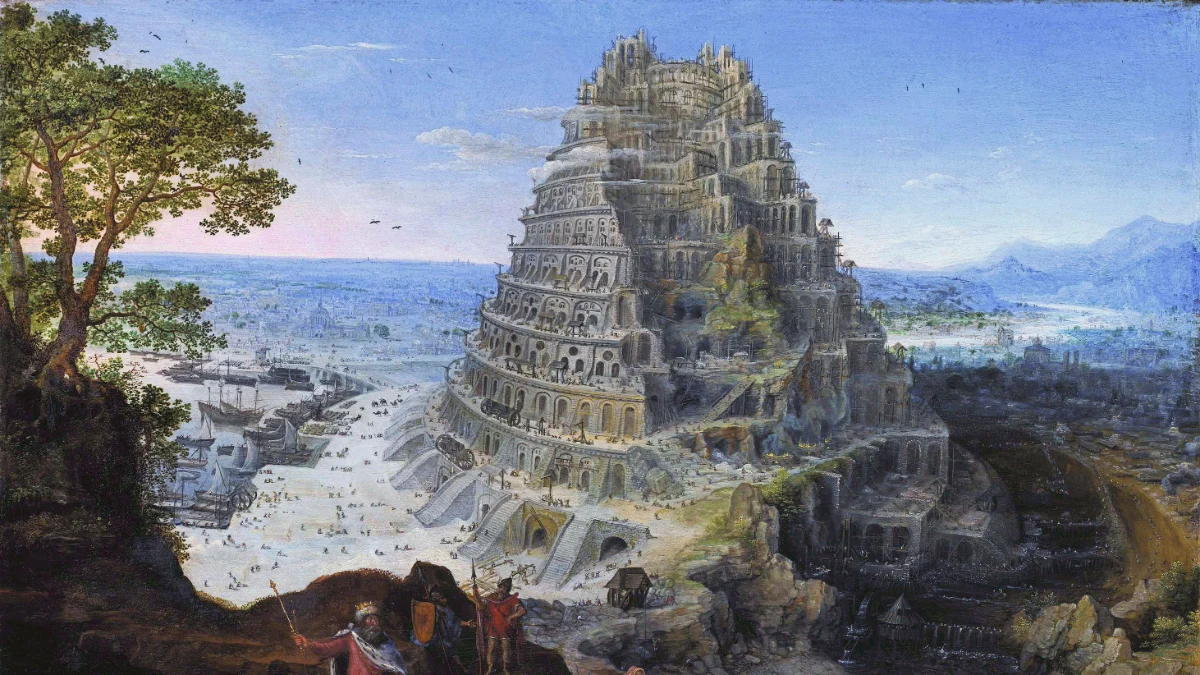
Pope Leo XIII’s recent encyclical on artificial intelligence draws on the biblical story of the Tower of Babel to highlight the urgent ethical and societal challenges posed by advanced AI systems. Echoing lessons from Jewish rabbinical tradition, the pope warns that unchecked AI development risks prioritizing technological achievement over human dignity and fragmenting society through concentration of power and loss of shared understanding.
What Happened
In his encyclical Magnifica Humanitas, Pope Leo XIII invoked the ancient biblical narrative of Babel from Genesis (11:1-9) as a metaphor for the current AI landscape. The pope framed AI’s emergence as a critical choice between building a singular, centralized system—akin to the Tower of Babel—or fostering a pluralistic, human-centered approach symbolized by the rebuilding of Jerusalem’s walls under Nehemiah. The encyclical, issued in 2024, articulates a moral reflection on the trajectory of artificial general intelligence (AGI), calling for strong ethical guidance and institutional oversight.
Jewish scholarly interpretations of the same story deepen the moral implications, as laid out in traditional midrashic texts such as Pirkei d’Rabbi Eliezer and Talmudic commentary. They highlight the dangers of valuing technology (the bricks) over human life (the workers) and the risks of centralizing power to the detriment of societal plurality. These perspectives resonate with contemporary debates about AI’s displacement of labor, surveillance capabilities, and military applications.
Key Facts
The Tower of Babel story, originating from the book of Genesis (11:1-9), is used by Pope Leo XIII in his encyclical Magnifica Humanitas (2024) as a metaphor for AI’s ethical and social dilemmas. Key themes identified include:
- AI development’s concentration in the hands of a few governments and corporations, wielding disproportionate control over computing resources, talent, and capital.
- Risks of treating human laborers as expendable “bricks,” reflecting current AI-driven labor market disruptions affecting jobs in translation, coding, illustration, and clerical work.
- The potential opacity and unintelligibility of AI-driven systems, leading to societal fragmentation, loss of shared language, governance challenges, and diminished comprehension of AI’s decisions.
- Jewish rabbinical readings emphasize plurality as a safeguard against totalizing power, warning against a single global AI framework imposing uniform ethics insensitive to cultural diversity.
What This Means
This conversation—linking ancient religious wisdom to modern AI challenges—sheds light on why regulation and ethical governance of AI technology are imperative. The pope’s metaphor highlights the dangers of centralizing AI power within a narrow elite, which could lead to economic displacement and a democratic deficit in technology oversight. Furthermore, the rabbinical insights emphasize the importance of preserving pluralism and multiple value frameworks, cautioning against monolithic global AI standards that ignore regional social and ethical needs.
Importantly, these reflections warn that AI systems may become so complex and opaque that society risks becoming powerless to understand or govern them effectively. This loss of collective comprehension threatens fundamental principles of justice and accountability—institutions may struggle to oversee AI if it operates beyond human understanding.
The religious analogy, therefore, cuts to the heart of ongoing policy debates about AI regulation: who sets the rules, how inclusive and representative those rules are, and how to balance innovation with safeguarding human dignity and societal coherence. It suggests the dire need for multidisciplinary oversight that respects cultural diversity while ensuring AI benefits broadly without eroding human values.
Background
The Tower of Babel narrative has inspired theological and ethical reflections for millennia, highlighting themes of hubris, language, and societal order. Pope Leo XIII—named in homage to his predecessor who addressed industrial-era challenges—draws a parallel between the industrial revolution and the AI revolution, framing modern technological disruption as a new epoch demanding moral guidance. Jewish rabbinical literature, spanning midrash and Talmud, provides a sophisticated interpretation cautioning about valuing technology over humans and the risks of centralized power.
The Bigger Picture
Across the globe, governments and regulators are grappling with how to oversee AI development responsibly. Europe’s rights-driven regulations, the United States’ fragmented approach balancing innovation with labor and environmental concerns, and diverse priorities in countries like India and across Africa illustrate the pluralistic realities the rabbinical warning addresses. The debate over a single global AI governance model versus multiple frameworks reflecting local values remains unresolved.
What Remains Unclear
Specific regulatory frameworks to operationalize the pope’s ethical calls have not yet been established. How policymakers will implement principles that balance pluralism with coherence in AI governance remains to be seen. Likewise, the extent to which AI developers will incorporate these broader ethical considerations into design and deployment processes is still uncertain.
Sources
This article is based on reporting and publicly available information from the following sources:
Read more AI Regulation stories on Goka World News.