
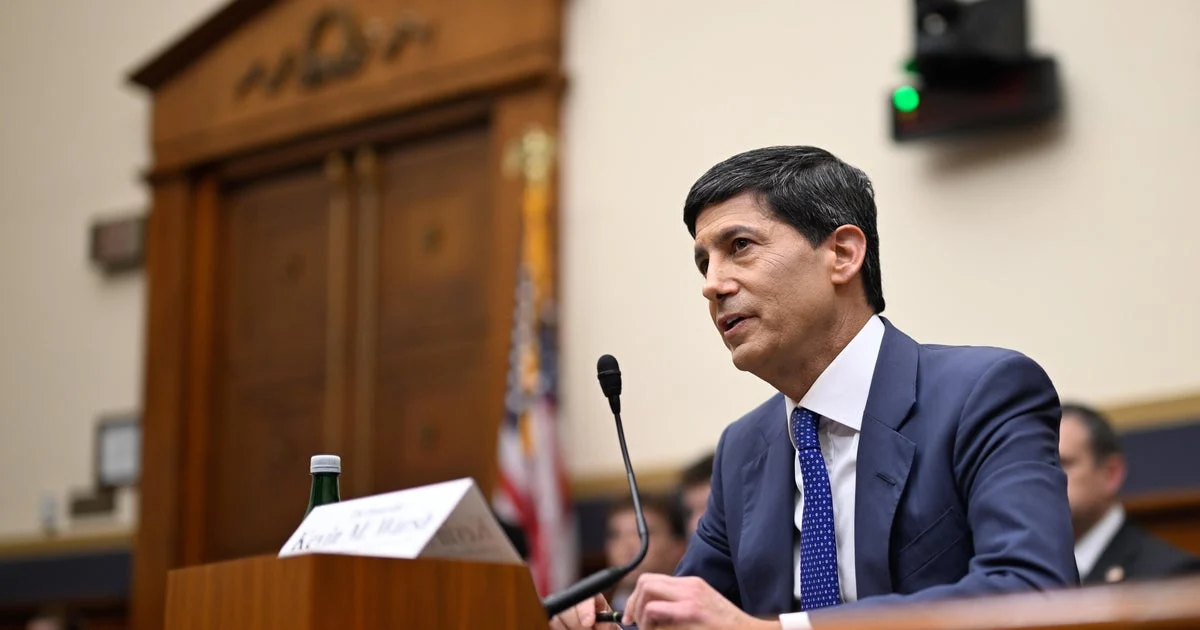
Federal Reserve Chairman Kevin Warsh delivered his first congressional testimony on July 15, 2026, affirming a strong commitment to combat inflation and restore price stability. Speaking before the House Financial Services Committee, Warsh acknowledged the hardships that rising prices have imposed on American households and businesses, signaling an uncompromising stance on keeping inflation under control.
What Happened
During the hearing, Warsh emphasized that the Federal Open Market Committee (FOMC) members have “no tolerance for persistently elevated inflation” and share a “resolute commitment to restoring price stability.” Responding to Representative French Hill’s question on the Fed’s approach, Warsh set a clear inflation target of 2% annually and indicated that the central bank has both interest rate and balance sheet tools available to achieve this goal. However, he refrained from specifying how the Fed will handle future interest rate decisions.
Warsh also announced plans to reduce the Federal Reserve’s forward guidance concerning its monetary policy, favoring more cautious and circumspect communications to better align policy decisions with economic realities. He stated, “We want to get policy right, and I think being somewhat more circumspect in our communications, at least for me, is a better way of calling balls and strikes.”
Additionally, Warsh reaffirmed his commitment to maintaining the Federal Reserve’s independence, confronting concerns about political interference. When asked about potential pressure from the Biden administration or others, Warsh assured he would “continue to do my job” despite political disagreements over interest rates.
Key Facts
Warsh’s testimony came following government data released on the same day, showing a 3.5% annual inflation rate for June 2026. This figure marked a slowdown from the previous month but remained well above the Fed’s 2% target. Notably, a global energy shortage—stemming from unrest in Iran—had driven inflation to a three-year peak in May.
Prior to the inflation report, nearly half of FOMC policymakers signaled support for raising interest rates later in the year. However, the cooler June inflation reading shifted expectations. The CME Group’s FedWatch tool indicated an 86% probability that the Fed would keep rates steady at its upcoming meeting.
What This Means
Warsh’s firm stance on inflation highlights the Federal Reserve’s prioritization of price stability amid a challenging economic backdrop. His commitment signals to markets and consumers that the Fed intends to use all available tools to steady rising costs, which have strained household budgets and business operations alike. The decision to provide less guidance on future moves reflects a strategic shift toward flexibility, allowing the Fed to respond nimbly to evolving data without committing prematurely to a policy path.
For consumers, this approach means that borrowing costs and loan rates may remain unpredictable in the near term, as the Fed balances the pace of tightening with economic growth concerns. Businesses, particularly those sensitive to interest rates and energy prices, will be closely watching upcoming Fed meetings for signs of whether rate hikes will resume or pause. The commitment to central bank independence reassures stakeholders that monetary policy will be driven by economic, not political, considerations.
Background
Warsh assumed the role of Federal Reserve chairman earlier this year, succeeding his predecessor amid ongoing inflationary pressures following the global pandemic recovery phase. Inflation rates recently surged due to supply chain disruptions and geopolitical events, such as the energy crisis triggered by the conflict in Iran. The Fed’s traditional target inflation rate has long been 2%, seen as consistent with stable economic growth and employment.
What Comes Next
Investors and policymakers will closely monitor the Federal Reserve’s next FOMC meeting, where the decision to raise, hold, or cut interest rates will be critical. The upcoming session’s outcome will depend heavily on incoming economic data and the Fed’s evolving assessment of inflation trends.
Sources
This article is based on reporting and publicly available information from the following source:
Read more Business stories on Goka World News.