
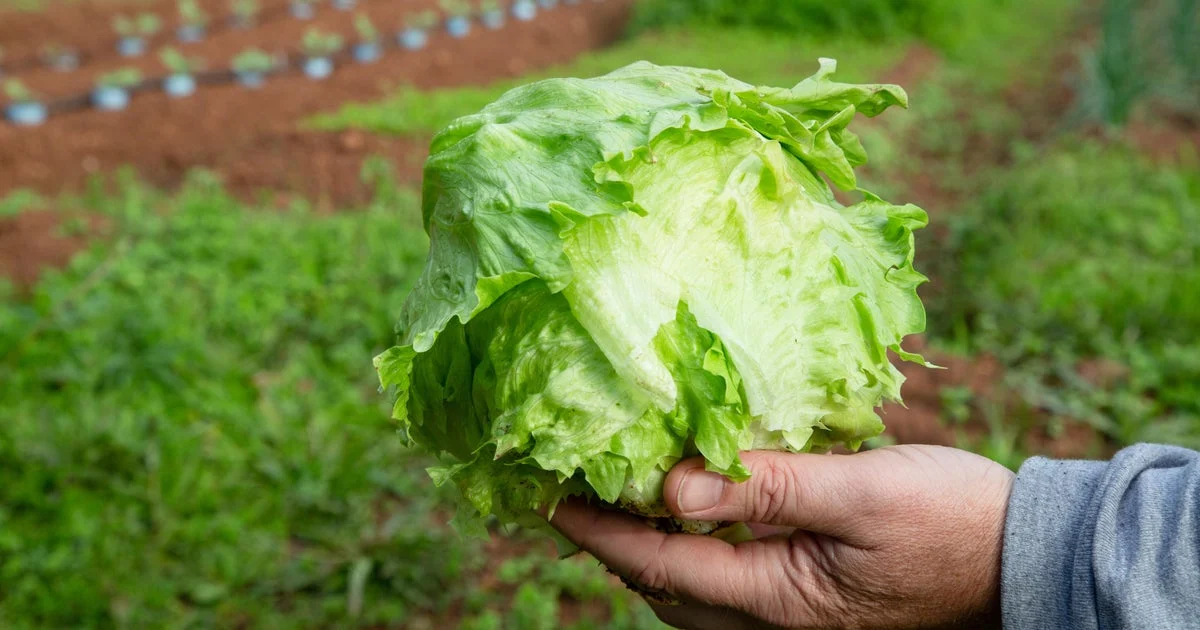
Taylor Farms announced the voluntary removal of iceberg lettuce sourced from central Mexico following its identification as a potential source of one of the largest recent cyclosporiasis outbreaks in the United States. The recall affects iceberg lettuce supplied to select Taco Bell locations and has contributed to a notable slowdown in Taco Bell’s sales growth.
What Happened
On July 17, 2026, Taylor Farms publicly stated it was halting distribution of iceberg lettuce from central Mexico after the U.S. Food and Drug Administration (FDA) traced a multistate cyclosporiasis outbreak to a single supplier, Taylor Farms de Mexico. While the FDA traceback pinpointed a specific independent farm representing less than 1% of the U.S. iceberg lettuce supply, Taylor Farms proactively removed all iceberg lettuce from the region indefinitely as a precaution. The Centers for Disease Control and Prevention (CDC) confirmed that iceberg lettuce distributed to Taco Bell restaurants across Indiana, Kentucky, Michigan, Ohio, and West Virginia was linked to the outbreak. Taco Bell completed removal of the affected lettuce from its restaurants by July 17 and eliminated the ingredient from its supply chain nationwide.
Key Facts
The CDC reports at least 1,644 confirmed infections across 34 states, though state health departments such as Michigan’s have reported over 5,000 cases. No deaths have been documented. The outbreak began in May 2026, with cyclosporiasis typically causing prolonged watery diarrhea. Consumer Edge data shows Taco Bell’s year-over-year sales growth slowed to 4.2% in the week ending July 11, the chain’s weakest growth since April. Placer.ai analytics indicate that quick service restaurants with lettuce-intensive menus, including Taco Bell, have seen modest declines in customer visits amid the outbreak and product withdrawals. Taylor Farms reaffirmed that none of its branded salad products are connected to the outbreak.
What This Means
The recall exemplifies how food safety issues can ripple through large supply chains, directly impacting both consumers’ trust and corporate financial performance. For consumers, the incident raises concerns about the safety of fresh produce, particularly imported leafy greens from regions with complex supply networks. Businesses like Taco Bell face operational challenges, including supplier substitutions and customer retention amid health scares. The slowdown in Taco Bell’s sales growth reflects cautious consumer behavior that can arise quickly due to foodborne illness outbreaks, underscoring the financial risks associated with supply chain vulnerabilities. Taylor Farms’ decision to remove all iceberg lettuce from the affected region, despite only a fraction being implicated, illustrates a commitment to safety but also signals potential disruptions and costs for suppliers and retailers in the near term.
Background
Taylor Farms, based in Salinas, California, is a major supplier of fresh produce to U.S. foodservice outlets and retail chains. Previous outbreaks of cyclosporiasis have been traced to various fresh produce items, including bagged salads and herbs. The parasite Cyclospora cayetanensis is known for seasonal outbreaks during warmer months, typically linked to contaminated water or produce handling. This incident marks one of the largest recorded U.S. outbreaks linked to iceberg lettuce.
What Comes Next
The FDA investigation remains ongoing, with public health authorities cautioning that additional states, restaurants, or retailers could be implicated as more information emerges. Taylor Farms has committed to cooperating fully with health agencies to address the outbreak and is expected to provide further updates as the situation develops.
Sources
This article is based on reporting and publicly available information from the following sources:
Read more World News stories on Goka World News.