
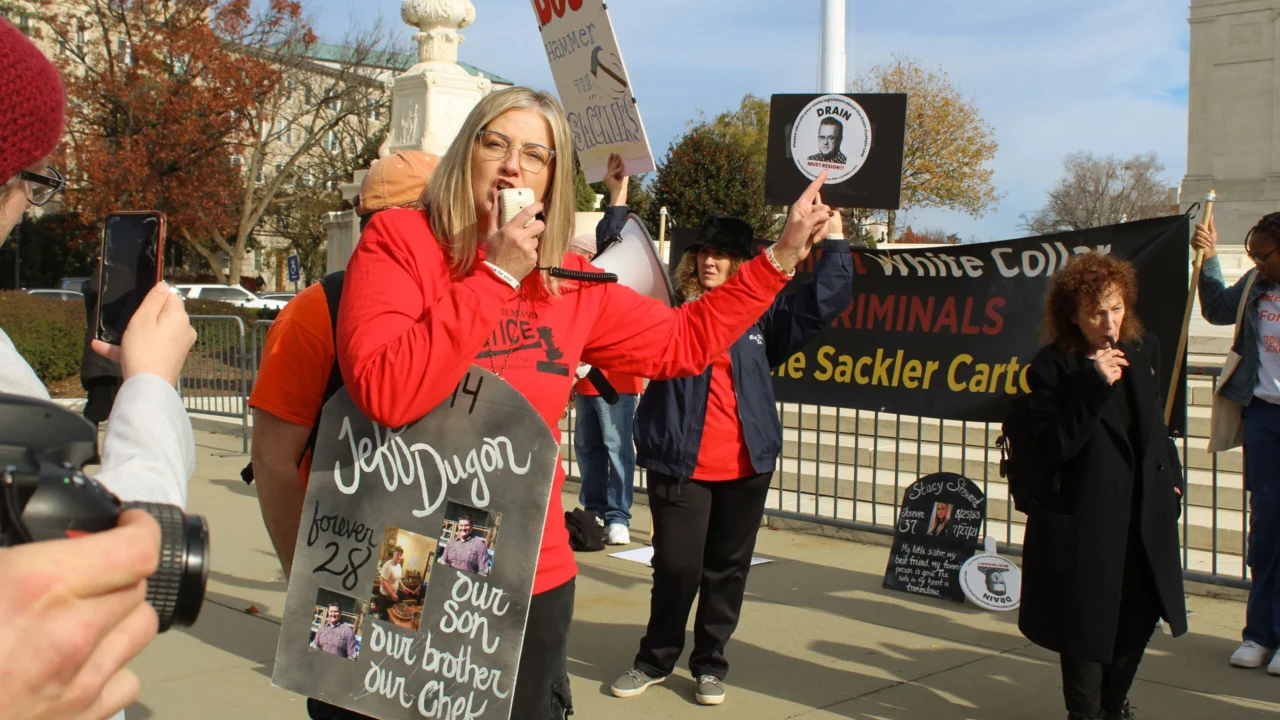
New York’s allocation of opioid settlement funds has revealed significant gaps in oversight, as nearly half of the state’s share of over $58 billion in nationwide settlements is controlled by counties and cities with limited guidance on appropriate spending. This has resulted in expenditures that many addiction experts and families affected by opioid deaths consider poorly targeted, according to a review by the advocacy group Legal Action Center and reporting by KFF Health News.
What Happened
Since pharmaceutical companies agreed to pay roughly $58 billion to settle lawsuits for their role in the opioid crisis, states have received funds intended to support addiction treatment and prevention efforts. In New York, approximately 46% of the settlement funds go directly to local governments, empowering county commissioners and city councils to allocate money as they see fit. Public records obtained from 56 New York counties and New York City revealed spending on a range of items, including law enforcement equipment such as surveillance cameras, Tasers, and cellphone data extraction tools, as well as initiatives with unproven effectiveness like drug-awareness magicians for children.
A few counties, like Cortland and Sullivan, used tens of thousands of dollars on police-related purchases rather than direct services to individuals battling addiction. Moreover, some officials have transferred accrued interest from unused settlement dollars to general funds, raising concerns among advocates. Meanwhile, many localities have not yet spent a large portion of their allocated funds, with some justification citing required planning, though skepticism remains about potential motives.
Key Facts
The total opioid settlement amount nationally is about $58 billion. New York local governments administer nearly half (46%) of the state’s settlement funds directly. Analysis by Legal Action Center and media reports found significant spending on law enforcement gadgets and general budget items rather than on addiction treatment. For instance, Sullivan County spent over $30,000 on Cellebrite technology and more than $37,000 on Tasers, while Cortland County allocated $150,000 toward sheriff jail expenses without detailed disclosure.
The Office of Addiction Services and Supports (OASAS), designated as New York’s lead state agency for opioid settlement oversight, conducts audits focusing on compliance with reporting but has not used its authority to withhold funds for inappropriate spending. The attorney general’s office, despite playing a major role in securing these settlement funds, defers oversight responsibility to other agencies. Overdose deaths, although decreasing from their 2022 peak, still claim around 186 lives daily across the United States.
What This Means
The uneven and sometimes questionable spending of opioid settlement money reflects a broader oversight vacuum that could undermine efforts to curb addiction and save lives. Without clear accountability and stringent monitoring, funds meant to address a public health emergency risk being diluted by expenditures that do not directly support treatment, recovery, or prevention. This not only frustrates families who have lost loved ones but also potentially wastes a rare financial opportunity to fund lifesaving programs amid ongoing overdose deaths.
The New York example also illustrates a nationwide challenge: complex settlement agreements offer broad discretion to local governments, many of which lack the expertise or structural capacity to prioritize evidence-based addiction services. The absence of a strong enforcement entity to hold grantees accountable may encourage continued spending on non-treatment initiatives, law enforcement equipment, or even general budget expenses unrelated to the crisis. In practical terms, this situation could slow progress in reversing opioid trends, straining health systems and communities struggling with addiction.
Calls for a centralized authority with clear enforcement powers grow louder as advocates demand that opioid money be spent transparently, strategically, and only on proven measures. Yet, so far, government agencies have been reluctant or unable to fully intervene, leaving advocates, service providers, and affected families in a watchdog role with limited influence.
Background
The large opioid settlements stem from lawsuits accusing companies of aggressively pushing prescription painkillers, fueling addiction and overdose deaths. Settlement agreements stipulate that most funds should support “opioid remediation” projects covering treatment, prevention, and harm reduction, but the list of allowable uses is broad and open to interpretation. Many states allocate portions of the funds as unrestricted, further muddying spending priorities.
Federal involvement in oversight is minimal, leaving states and localities primarily responsible. At the same time, recent federal budget cuts to addiction services have increased demand for funding, underscoring the importance of effective use of the available settlement money amid a continuing overdose crisis.
What Comes Next
New York’s Office of Addiction Services and Supports is currently auditing 19 local governments for compliance with financial reporting but has not yet moved to penalize inappropriate spending. The state recently mandated public reporting of local expenditures for the first time, although data accuracy and oversight remain concerns. Advocacy groups and some elected officials are pushing for legislation and stronger enforcement mechanisms to ensure money is spent on programs that directly help people affected by opioid addiction.
Meanwhile, family members of overdose victims and advocacy organizations continue to pressure government agencies to take clearer responsibility and use “the stick” of enforcement to prevent further misspending.
Sources
This article is based on reporting and publicly available information from the following sources:
Read more US News stories on Goka World News.