
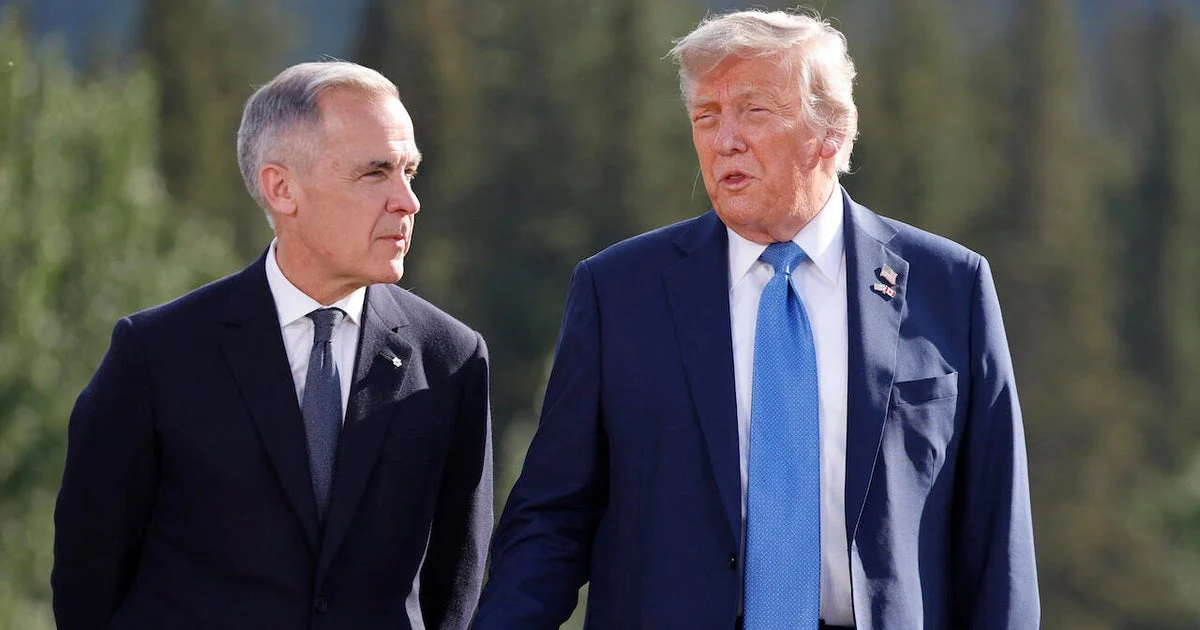
President Donald Trump announced on July 20, 2026, that his administration will implement 50% tariffs on a range of Canadian products, including hockey equipment, alcoholic beverages, dairy items, and other goods. The tariffs escalate an ongoing trade dispute between the United States and Canada and are scheduled to take effect on August 19.
What Happened
On Monday, President Trump signed a series of proclamations imposing tariffs of up to 50% on specific Canadian goods. The White House accused Canada of “unreasonable, unequal, and discriminatory actions” amid Canada’s previous retaliatory tariffs on American auto imports and other sectors following an earlier set of U.S. tariffs introduced last year. These new tariffs cover items such as electronics, hockey equipment, honey, flower bulbs, down feathers, plywood, cowhides, jewelry, beer, wine, liquor, and milk.
The tariffs are authorized under Section 338 of the Tariff Act of 1930, which grants the president the authority to levy duties of up to 50% on countries that discriminate against U.S. commerce. A senior administration official noted that while this is a novel application of Section 338, the administration is confident about its legal standing. This move follows the Supreme Court earlier ruling that limited the president’s use of emergency powers for tariffs.
U.S. Trade Representative Jamieson Greer framed the tariffs as a response to Canadian retaliatory trade practices and stated that the U.S. remains open to negotiations despite imposing these duties. He emphasized that Canada and China were the only countries retaliating against the administration’s tariff strategy.
Key Facts
The tariffs target goods worth billions in cross-border trade; Canada is the second-largest U.S. trading partner after Mexico, with more than $300 billion in goods traded in the first five months of 2026 alone. The tariffs exclude goods compliant with the U.S.-Mexico-Canada Agreement (USMCA), reflecting the administration’s nuanced stance amid ongoing trade tensions.
Canadian Prime Minister Mark Carney responded by stating Canada’s tariffs “merely matched” the U.S.’ initial measures and highlighted that the Trump administration’s tariffs violated the USMCA. Carney expressed willingness to engage in negotiations to “modernize” the trade agreement and address outstanding issues.
The Distilled Spirits Council of the United States, representing American liquor producers, criticized the tariffs as deepening trade tensions during a financially difficult period for hospitality businesses. Chris Swonger, CEO of the council, acknowledged the Administration’s recognition of damages caused by Canadian alcohol restrictions but regretted the escalation.
Candace Laing, president and CEO of the Canadian Chamber of Commerce, described the move as a “regrettable escalation” but urged both countries to use the 30-day period before the tariffs go into effect to advance formal talks.
What This Means
These new tariffs represent a significant intensification in the Canada-U.S. trade dispute, potentially leading to higher costs for consumers and businesses on both sides of the border. The tariffs on widely consumed products like alcoholic beverages and dairy affect sectors with considerable economic and cultural importance, especially given Canada’s reputation for hockey and U.S. reliance on Canadian imports.
The White House’s invocation of Section 338 to justify these tariffs signals a broader willingness to use historic trade laws in unconventional ways to counter perceived unfair practices. This could set a precedent for future trade enforcement tools, especially under administrations prioritizing trade rebalancing.
For ordinary Americans, increased tariffs could translate into higher prices on everyday items such as milk and liquor. For Canada, the tariffs risk aggravating economic tensions, pressuring the Canadian government to respond either with further retaliatory measures or renewed negotiations. The situation underscores the fragility of North American trade ties following the implementation of USMCA and ongoing geopolitical friction.
Background
The U.S.-Canada trade relationship has been tense since the start of Trump’s second presidential term, with the administration threatening tariffs to address border security concerns and unfair trade practices. Canada responded with its own retaliatory tariffs and provincial-level boycotts, including pulling American alcohol off shelves. Some disputes partially eased after the 2020 USMCA trade deal was implemented, but tariff threats and protests have persisted.
In recent weeks, President Trump also mentioned potential new tariffs linked to Canadian responses to wildfires affecting U.S. regions, though officials clarified that the July 20 tariffs are unrelated to these wildfire “tariff” discussions.
What Comes Next
The tariffs are set to take effect on August 19, giving the U.S. and Canada 30 days to seek resolution through dialogue before the levies are implemented. Both governments have indicated openness to negotiations aimed at updating and resolving trade frictions under the USMCA framework. Further announcements regarding additional tariffs or trade measures could follow depending on how talks progress in the coming weeks.
Sources
This article is based on reporting and publicly available information from the following sources:
Read more Politics stories on Goka World News.