
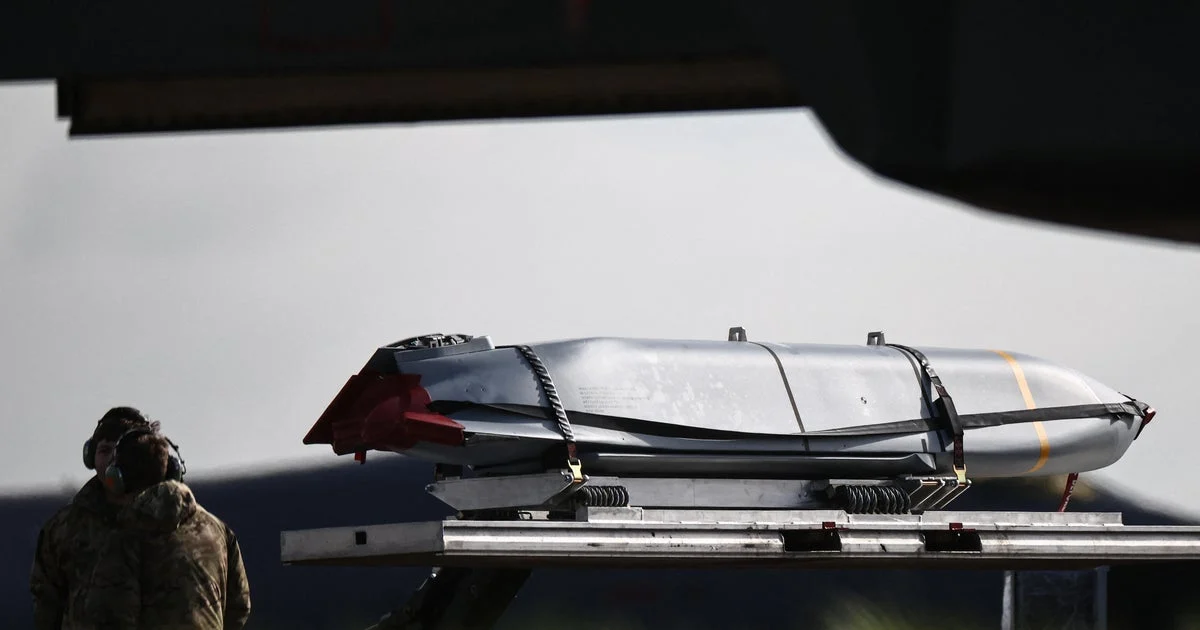
The rapid pace at which the United States is using some of its most advanced air-defense interceptors and precision-guided weapons in the Middle East has become a major internal concern within the Trump administration amid renewed conflict with Iran. This development is raising global implications for U.S. military readiness, stretching stockpiles needed both for sustaining the war in the Gulf region and for deterring other potential adversaries like China in the Indo-Pacific.
What Happened
Since the collapse of a recent ceasefire in July 2026, U.S. military operations against Iranian targets have intensified, focusing strikes closer to Iran’s coastline to avoid deeper incursions into heavily defended territory. These operations, overseen by U.S. Central Command in the Gulf states, have resulted in a rapid expenditure of interceptor missiles—such as Patriot and Terminal High Altitude Area Defense (THAAD)—and precision-guided munitions including GPS-guided Joint Direct Attack Munitions (JDAMs) and Small Diameter Bombs. The limited rate of production and replenishment in the defense industrial base has created notable strain on these inventories.
Key Facts
U.S. military and intelligence officials, speaking on condition of anonymity, emphasize that the current rate of munitions use is unsustainable given manufacturing timelines. Admiral Samuel Paparo, head of U.S. Indo-Pacific Command, highlighted in April 2026 that scaling up production of high-end weapons like Tomahawk cruise missiles and the Joint Air-to-Surface Standoff Missile (JASSM) could take one to two years or more.
The Pentagon has reallocated interceptor missiles from other regions, including those reserved for the Indo-Pacific theater, to support operations in the Middle East, which has reduced margin in other commands responsible for deterring Chinese aggression, particularly around Taiwan.
Internal reports indicate that over 1,000 Tomahawk and 1,100 JASSM missiles have been expended during the campaign, with restocking timelines approaching four years. Similarly, air-defense interceptors face production timelines of up to five years.
Defense Secretary Pete Hegseth has publicly stated that stockpiles remain strong and steadily growing, though some defense officials question whether this holds true under current operational tempos. The U.S. also maintains comparatively healthier levels of the shorter-range Guided Multiple Launch Rocket System (GMLRS), providing some tactical flexibility.
Kuwait and Bahrain, hosting U.S. forces, have been targeted in Iranian drone and missile strikes, with Kuwait reporting damage to key infrastructure such as electricity and desalination plants.
What This Means
The accelerated consumption of advanced munitions in the Middle East campaign places the U.S. military in a difficult strategic position. Maintaining a balance between addressing immediate threats from Iran and preserving enough stockpiles for possible future conflicts—especially in the Indo-Pacific where tensions with China remain high—is an ongoing challenge.
As replenishment of critical weapons systems can take years, the current strain reveals vulnerability in the defense industrial base’s capacity to respond to simultaneous global crises. This could affect not only military decision-making but also diplomatic leverage in regions reliant on U.S. security commitments.
For allies in the Gulf, the depletion of interceptors contributes to heightened insecurity, as evidenced by civilian infrastructure damage in Kuwait and Bahrain. The pressure to either reduce hostilities or risk further escalation may influence regional diplomacy, with some partner countries reportedly advocating a pause in fighting to manage the intensity of Iranian strikes.
Background
The U.S. military’s current predicament draws from increasing operational demands since hostilities with Iran escalated through 2026. Previous constraints had already influenced decisions like the Biden administration’s delay in supplying long-range ATACMS missiles to Ukraine, highlighting concerns about maintaining readiness.
The reallocation of crucial interceptors and long-range missiles away from other theaters like the Indo-Pacific underscores the interconnectedness of U.S. strategic commitments worldwide, as administrators weigh how best to prepare for potential conflicts across multiple regions.
What Comes Next
U.S. military leaders and defense manufacturers are now focused on expanding missile production lines, a process expected to take years, to meet the ever-growing demands imposed by ongoing conflicts. Meanwhile, diplomatic and military decisions in the Gulf continue, with some partner nations pressing for a cessation or slowdown in hostilities due to the intensity of Iranian attacks.
Eventually, assessments of U.S. missile inventory sustainability are likely to shape both the conduct of the Iran conflict and broader defense postures in the Indo-Pacific region over the coming years.
Sources
This article is based on reporting and publicly available information from the following sources:
Read more US News stories on Goka World News.