
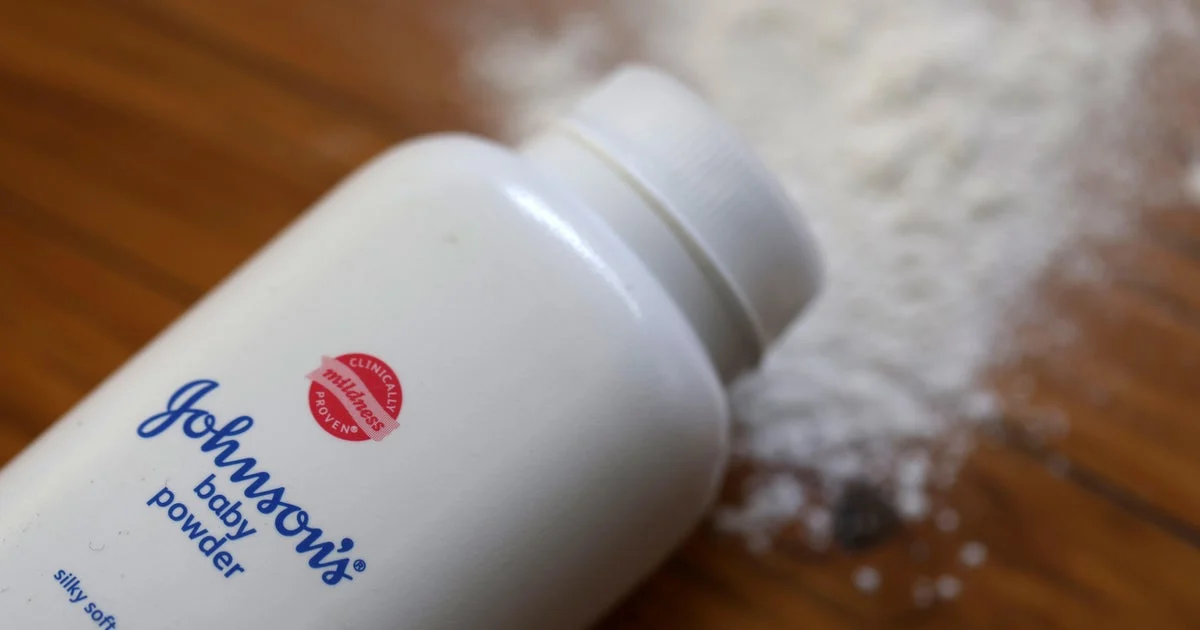
Johnson & Johnson has presented a $5.5 billion settlement proposal intended to resolve tens of thousands of lawsuits claiming its talcum powder products caused ovarian cancer. This landmark offer seeks to address around 76,000 claims, which constitute nearly all of the remaining talc-related lawsuits against the pharmaceutical giant.
What Happened
On July 27, 2026, Johnson & Johnson announced its offer to settle claims involving talc-based baby powder and other talc products. The deal covers cases consolidated in federal court in New Jersey as well as related lawsuits in various state courts. The company stipulated that the settlement requires the participation of at least 95% of the outstanding claims to proceed. Although Johnson & Johnson denies that its talc products cause cancer, it voluntarily ceased selling talc-based baby powder in the U.S. and Canada in 2020.
Erik Haas, J&J’s vice president of litigation, stated the claims lack scientific merit but emphasized the company’s preference to finalize this matter and focus on its core mission. Plaintiffs’ lead counsel Chris Seeger described the settlement as “fair and meaningful compensation” after years of protracted litigation and multiple bankruptcies associated with talc liability issues.
Key Facts
- The settlement offer totals $5.5 billion, covering roughly 76,000 talc-related injury claims.
- The claims include nearly all remaining cases consolidated federally and in state courts.
- The settlement requires acceptance by at least 95% of claimants to take effect.
- Johnson & Johnson ceased sales of talc-based baby powder in the U.S. and Canada in 2020.
- Previous settlements addressed cases involving asbestos contamination and mesothelioma claims.
- A related lawsuit in the United Kingdom, filed in 2025, alleges similar harms with potential compensation exceeding £1 billion ($1.3 billion).
What This Means
This $5.5 billion settlement offer represents a strategic financial move by Johnson & Johnson to contain mounting legal risks and associated costs. By targeting near-complete resolution of the talc lawsuits, the company aims to avoid unpredictable verdicts and lengthy litigation expenses that have challenged its balance sheet and reputation. For claimants, acceptance of the deal would expedite compensation after long delays, providing clarity and closure for thousands of plaintiffs and their families.
On a broader level, this resolution indicates how large corporations manage extensive product liability portfolios—balancing denial of wrongdoing with pragmatic settlements to protect shareholder value. It underscores continuing scrutiny on consumer goods safety and the legal environment surrounding it. The outcome may also influence how similar mass tort claims are resolved in future disputes involving alleged health risks from widely used products.
Background
Johnson & Johnson’s talc litigation has spanned more than a decade, with thousands of lawsuits accusing the company’s talcum powder products of causing ovarian cancer and mesothelioma. The controversy escalated after findings suggested some talc batches contained asbestos, a known carcinogen, although J&J has denied liability. The company filed for bankruptcy protection multiple times to manage talc litigation liabilities. It halted sales of talc-based baby powder in North America in 2020 amid declining demand and safety concerns.
What Comes Next
The settlement depends on the agreement of at least 95% of claimants. Should the threshold be met, detailed terms and implementation timelines will be finalized. The company also continues to face talc-related lawsuits overseas, including a major ongoing case in the United Kingdom.
Sources
This article is based on reporting and publicly available information from the following source:
Read more Business stories on Goka World News.