
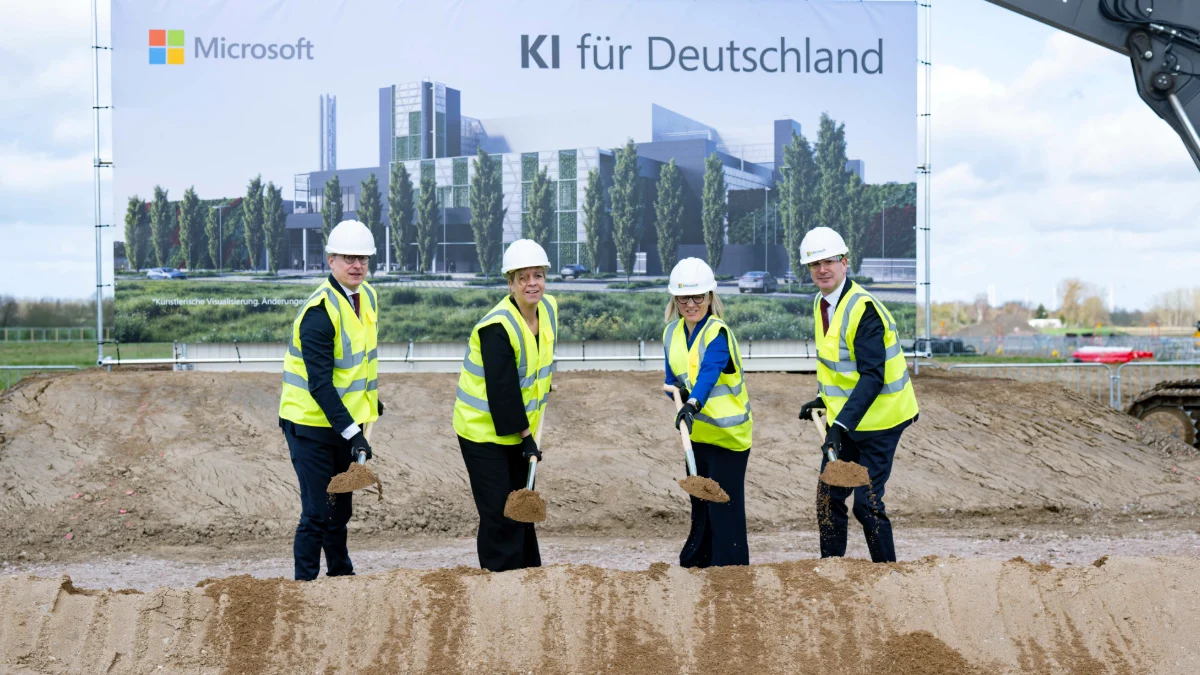
The European Commission faces mounting calls from environmental and policy experts to impose a temporary moratorium on the construction of new large-scale data centers across Europe. The demand emerges amid concerns about the lack of solid evidence justifying a significant expansion in data center capacity, the industry’s heavy environmental footprint, and transparency shortcomings that challenge democratic oversight in the context of Europe’s AI infrastructure ambitions.
What Happened
Leading NGOs and policy analysts have proposed a Europe-wide pause on new large data center projects until a comprehensive assessment can confirm their necessity and sustainability. This initiative challenges the European Commission’s aggressive plans to triple data center capacity as part of its strategy to assert technological sovereignty and expand AI infrastructure in the EU. The criticism highlights that no clear public evidence has been disclosed to support such rapid expansion, nor how existing data center utilization justifies the urgent increase.
Key Facts
The European Commission aims to greatly enlarge data center infrastructure across member states, supporting its vision of AI and digital sovereignty. However, concrete data suggests many existing facilities are underused, while proposed new developments mostly serve a small number of predominantly U.S.-based multinational cloud providers. Inflationary impacts and resource strains have already been observed, with data centers consuming significant portions of national electricity supplies—23% in Ireland, for instance—leading to steep household energy cost increases and economic losses.
Examples from multiple countries illustrate the negative externalities:
- In Ireland, data center energy consumption grew 412% from 2015 to 2024, severely challenging the country’s ability to meet EU energy efficiency and renewable targets.
- In the Netherlands, essential public projects including schools and housing have been sidelined as data centers receive priority grid access, threatening energy security.
- Spain risks dedicating up to 32% of its renewable energy land to data centers, with contracts giving facilities preferential access to scarce water resources amid drought conditions.
- France plans 63 new data centers, adding roughly 28.6 GW demand to the grid—the equivalent output of 28 nuclear power plants—risking delays in green transitions such as port electrification in Marseille.
Despite these impacts, transparency is lacking. The EU’s current policies, influenced by U.S. tech lobbying, classify detailed data center information as confidential, obstructing public insight and accountability.
What This Means
The push for a moratorium is a call for the EU to reconsider its approach to AI infrastructure expansion and data center regulation. Unchecked growth risks undermining Europe’s legally binding climate commitments, as rapid data center expansion depends heavily on fossil fuels and competes directly with other sectors needing electrification to achieve decarbonization targets.
This pause would create a crucial window for evidence-based policymaking, ensuring that investments in digital infrastructure genuinely serve European industries, citizens, and climate goals rather than entrench dependency on U.S. tech giants and exacerbate environmental harm.
By halting approvals temporarily, member states could better balance technological ambitions with ethical considerations, including energy justice, social equity, democratic governance, and sustainable territorial development. A moratorium also offers an opportunity to enhance transparency and enforce compliance with existing EU directives, such as the Energy Efficiency Directive, which many data centers currently flout.
Background
The EU’s expansion plan for data centers arises from its pursuit of “technological sovereignty” in AI, seeking to match advances made by global powers like the U.S. and China. However, prior analyses cast doubt on Europe’s need to massively scale up physical infrastructure without firm evidence of capacity shortfalls or efficiency gains at existing centers.
Previous enforcement actions and regulatory frameworks, including the Energy Efficiency Directive, set emission reduction targets for 2030. Yet, rapid data center growth threatens to derail these goals, as indicated by Ireland’s Climate Change Advisory Council and NGOs like the Shift Project.
What Remains Unclear
It is not yet determined whether the European Commission will formally consider or adopt a moratorium proposal. The Commission’s projected timeline for expanding acceleration zones and relaxing environmental and transparency regulations remains active, with no public schedule for reassessment based on emerging critiques.
Further, how member states will reconcile the competing demands of energy supply, climate targets, and AI infrastructure ambitions has not been clarified.
What Comes Next
The situation calls for formal evaluations of data center impact assessments and transparency obligations. Pending regulatory reviews or public consultations may influence future EU policy. Explicit timelines for decision-making on moratorium proposals or revised data center guidelines have not yet been announced.
Sources
This article is based on reporting and publicly available information from the following sources:
Read more Climate & Environment stories on Goka World News.