
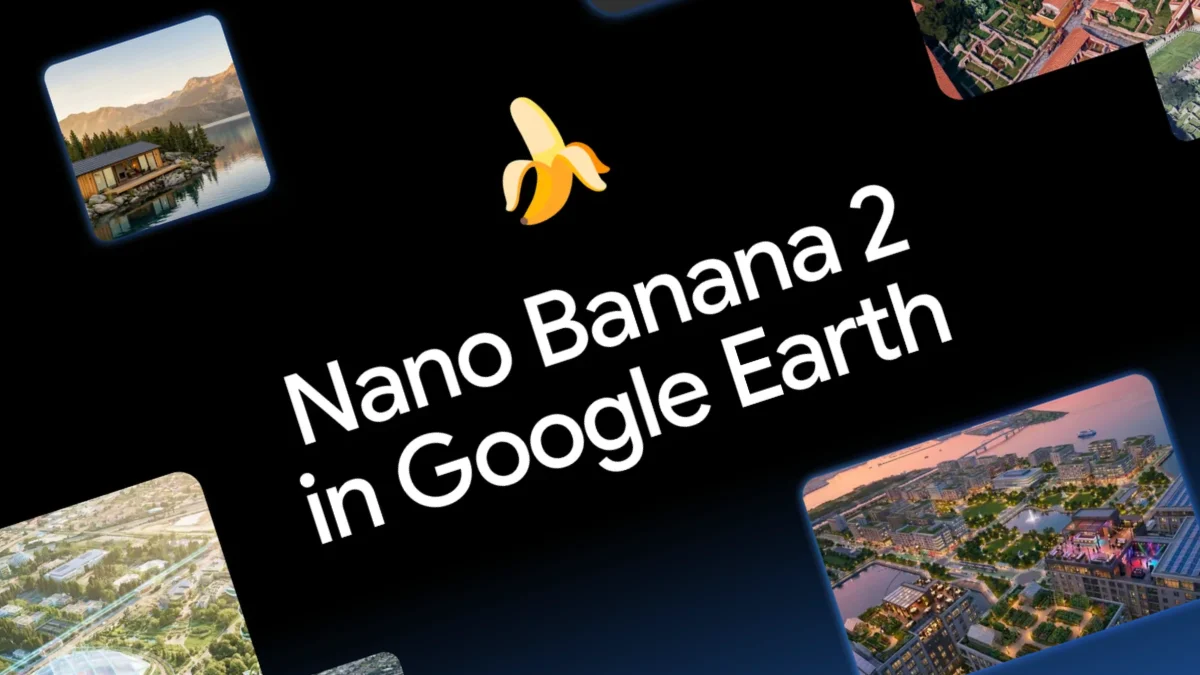
Google’s decision to pause its AI-powered Nano Banana image generation feature within Google Earth after widespread criticism underscores urgent governance challenges around generative AI technologies. The episode illustrates how integrating synthetic media capabilities into trusted public information resources threatens the integrity and reliability of visual evidence and highlights the necessity for stronger regulatory measures and pre-launch risk assessments.
What Happened
On Thursday, Google announced an update to Google Earth enabling users to generate AI-created images that altered real-world locations. Shortly after release, this feature faced significant backlash over concerns it would compromise the platform’s role as a reliable source of geographic evidence. In response, Google rolled back the update on Friday, citing the need to implement stronger guardrails before reintroducing this functionality. The company initially planned to promote the feature by encouraging use cases such as rendering imagined future homes integrated into real landscapes.
Key Facts
Google Earth has historically served as a stable, time-stamped geographic reference widely used by journalists, human rights groups, courts, and open-source investigators globally. The integration of generative AI image synthesis into this service threatens to erode this trust by blending authentic imagery with fabricated content in a seamless manner. During recent conflicts, including the Iran-Israel-US war, manipulated satellite imagery based on Google Earth visuals was widely disseminated as fake evidence, highlighting the platform’s importance in verification ecosystems and the dangers posed by synthetic content.
The feature’s withdrawal took place within days of its launch, reflecting corporate acknowledgement of the profound risks. Google’s initial mitigation strategies focused on downstream measures like SynthID watermarking — a digital tagging mechanism to identify AI-generated images — but critics argue that these are insufficient without more comprehensive governance frameworks and proactive risk assessment. This event has drawn sharp attention to the need for AI companies to engage earlier and more deeply with civil society experts to foresee potential misuse before deployment.
What This Means
This incident reveals the tension between innovation-driven product development and the societal imperative to protect information credibility. By allowing users to easily create manipulated geographic imagery on a widely trusted platform, Google’s approach risked normalizing disinformation and complicating efforts by journalists and investigators who depend on stable evidence sources. The situation illustrates how commercial incentives can override the broader public interest in maintaining the factual integrity of critical information infrastructure.
The rollback serves as a warning that AI features embedded into public verification tools require more rigorous oversight, including mandatory pre-launch risk assessments and stakeholder consultations involving media and human rights groups. As generative AI capabilities expand, governments and regulators may need to enforce stricter transparency and safety standards to ensure such technologies do not become vectors for misinformation or undermine accountability. Without these measures, trust in vital digital resources could erode, with cascading impacts on public discourse, conflict reporting, and crisis response.
Moreover, the episode raises important questions about the adequacy of current AI mitigation techniques like watermarking, which are challenged by the rapid spread and re-use of images outside controlled environments. It underscores the urgent need for holistic governance mechanisms that encompass product design, deployment strategies, and post-release monitoring to address the societal consequences of synthetic media integrated into foundational information systems.
Background
Google Earth has been a key pillar of the global open-source intelligence (OSINT) and visual verification ecosystem for over 20 years. Its imagery has played instrumental roles in documenting war crimes, environmental damage, and humanitarian crises. Prior research and reports, such as those from WITNESS and the Reuters Institute, have long warned about generative AI’s ability to fabricate realistic yet false evidence tied to real-world locations, exacerbating challenges in verifying authenticity during conflicts and emergencies.
What Remains Unclear
It remains uncertain how Google plans to strengthen the feature’s safeguards or what precise governance frameworks will be adopted before re-release. The timeline for reintroducing the AI-generated imagery capability has not been disclosed, nor is it clear whether governmental regulators or independent experts will have oversight roles. The long-term impact on Google Earth’s status as a trusted verification tool will depend heavily on how these unresolved questions are addressed.
What Comes Next
Google has committed to working on “stronger guardrails” for the AI image generation function. Industry watchers and civil society organizations expect the rollout of new pre-deployment risk assessments and consultation processes. Meanwhile, ongoing debates around AI regulation globally suggest increasing pressure on major technology companies to demonstrate responsible AI product governance before market release. how Google responds may influence broader policy development on synthetic media and verification infrastructure.
Sources
This article is based on reporting and publicly available information from the following sources:
Read more AI Regulation stories on Goka World News.