
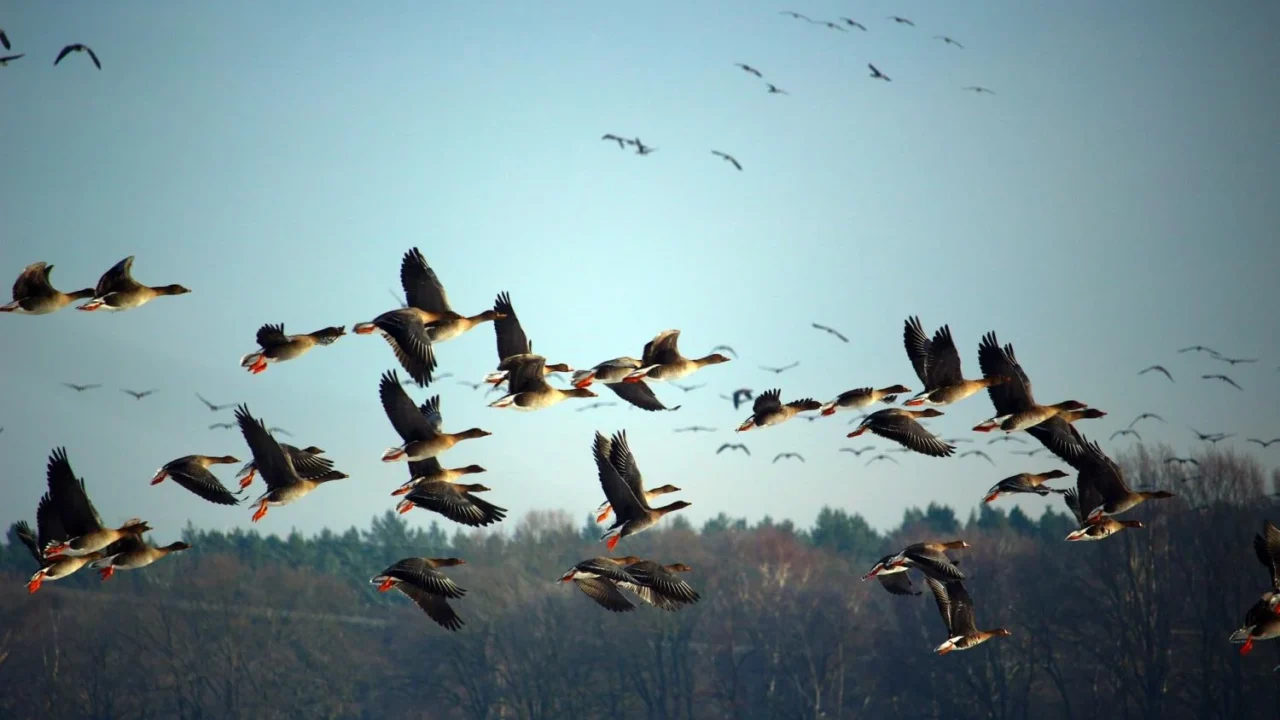
The highly pathogenic H5N1 strain of avian influenza has recently spread among Australia’s resident bird populations, raising serious concerns about its potential to severely impact native birds and mammals. Australian researchers from multiple institutions have proposed a detailed set of strategies to help protect wildlife from this viral threat and mitigate its ecological consequences.
What Happened
Following the detection of H5N1 infections in migratory and resident Australian birds, clusters of bird mortality have emerged across multiple regions. Death rates in affected poultry and some wild bird species have ranged from 75% to 100%, indicating a severe threat. Although data is still developing, experts anticipate the virus will soon infect a broader range of wildlife, including mammals, raising the risk of significant population declines and possibly pushing endangered species closer to extinction.
In response, researchers from Australian universities and conservation groups synthesized evidence from overseas outbreaks and their own ecological knowledge to recommend eight concrete actions aimed at suppressing the virus’s spread and reducing mortality in native species.
Key Facts
The eight actions identified include:
- Controlling other threats: Eradicating introduced predators such as cats and foxes in local habitats to reduce additional mortality pressures.
- Securing insurance populations: Expanding captive breeding programs for at-risk species to safeguard genetic diversity and population size.
- Vaccination: Considering vaccination programs for vulnerable species, modeled on New Zealand’s efforts and U.S. trials with endangered birds.
- Expanding monitoring: Implementing targeted, funded surveillance programs, including citizen science participation, to track infection spread and population impacts.
- Increasing research: Studying species-specific susceptibility, viral transmission dynamics, and genetic loss due to the outbreak.
- Slowing the spread: Removing sick or dead animals where feasible and regulating public access to sensitive sites to limit transmission vectors.
- Community involvement: Engaging landowners, conservationists, First Nations groups, and the public in response planning to ensure collaborative management.
- Potential silver linings: Noting that some invasive species such as feral pigs and foxes might also be adversely affected by the virus, which could indirectly benefit native biodiversity.
These strategies are supported by observations of mortality patterns and responses from international conservation programs addressing H5N1.
What This Means
By implementing this multi-pronged approach, Australian wildlife managers and policymakers can potentially lessen the magnitude of the bird flu outbreak’s impact. Controlling other ecological pressures like invasive predators not related to the virus may significantly improve survival rates among vulnerable native species already stressed by habitat loss and climate change. Securing insurance populations provides a lifeline for species at immediate risk, allowing recovery efforts to continue even if wild populations suffer drastic declines.
The proposal to explore vaccination, while logistically challenging, signals a pragmatic shift in wildlife disease management, aiming directly at enhancing individual immunity in key threatened populations. Enhanced surveillance and community involvement empower both scientists and the public to detect outbreaks earlier, allowing faster localized responses that could prevent wider spread.
Altogether, this coordinated strategy underscores the interconnectedness of wildlife health, ecosystem stability, and human responsibility. The outlined measures could serve as a model for addressing emergent zoonotic diseases in wild fauna globally.
Background
The recent bird flu outbreak compounds ecological challenges faced by Australian wildlife, following devastating events such as the 2019–2020 megafires and the 2025 South Australian marine algal bloom. H5N1’s incursion into Australia differs from patterns observed abroad due to the continent’s unique fauna, necessitating specific research on local species’ vulnerabilities and transmission dynamics. New Zealand’s pioneering use of vaccination in avian populations provides a precedent, though Australia has not yet initiated similar efforts.
What Remains Unclear
While the proposed actions chart an ambitious course, questions remain about their practical deployment. Broad-scale vaccination of wild animals faces logistical hurdles, including the need for initial and booster doses requiring recapturing individuals. The long-term genetic impact on diverse species is still unknown, and robust population estimates for many affected mammals and birds are lacking. Moreover, the effectiveness of predator control or public access restrictions in slowing the virus spread needs empirical assessment.
What Comes Next
Australian authorities and research institutions are urged to prioritize funding for expanded monitoring programs and targeted research into species susceptibility and viral ecology. Policymakers are currently evaluating vaccine trial options and biosecurity measures for poultry farms. Community engagement efforts are expected to intensify as detailed response plans are developed in collaboration with conservation groups and Indigenous stakeholders.
Sources
This article is based on reporting and publicly available information from the following sources:
Read more Science Discoveries stories on Goka World News.