
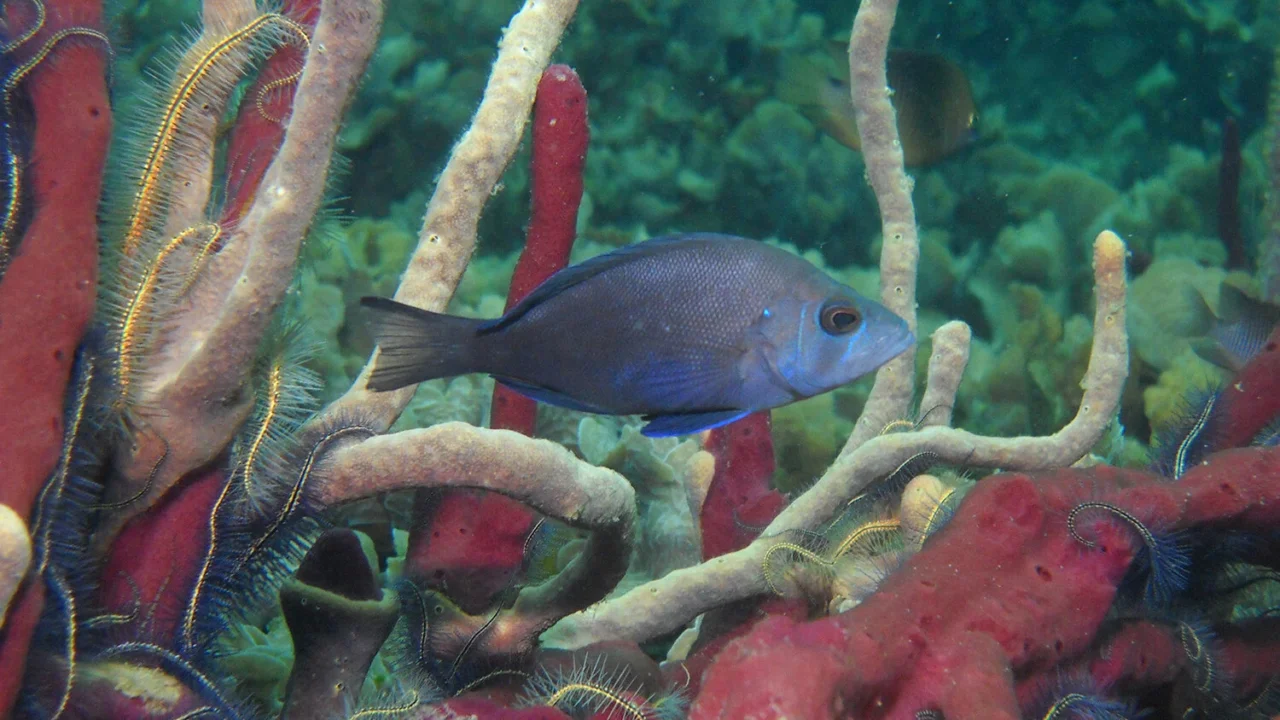
Scientists from the Leibniz Centre for Tropical Marine Research (ZMT) and collaborating institutions have identified bacteria with genes for chemosynthesis living in the gills of coral reef fish known as hamlets (Hypoplectrus spp.) in the Greater Caribbean. This finding marks the first documented presence of chemosynthetic bacteria in fish gills, expanding understanding of fish-associated microbial communities and their possible metabolic and immunological functions.
What Happened
The discovery emerged from a reanalysis of previously collected metagenomic data obtained from hundreds of gill tissue samples of hamlet fish species. Initially intended for studying the fish genomes, this data included microbial DNA sequences that were originally dismissed as contaminants. Upon revisiting the data with a focus on the gill microbiome, researchers reconstructed 70 bacterial genomes spanning 17 groups, many previously unknown to science.
They found that the microbial community on fish gills was distinct from and specialized compared to the surrounding seawater microbiome. Most notably, proteobacteria from the Burkholderiaceae family prevalent in the gills possessed the full genetic toolkit for chemosynthesis—the fixation of carbon dioxide into organic compounds by oxidizing inorganic molecules as an energy source, rather than relying on sunlight.
The research, involving ZMT, the Helmholtz Institute for Functional Marine Biodiversity (HIFMB), the University of Hong Kong, and the University of Chicago, was published in the journal PLOS Genetics in 2026.
Key Facts
More than 95% of the sequenced DNA in gill samples originated from the hamlet fish themselves, with microbial DNA comprising less than 5%. From that small fraction, researchers reconstructed 70 bacterial genomes representing 17 distinct bacterial groups. The dominant bacterial taxa with chemosynthetic potential belonged to the Burkholderiaceae family.
The study confirmed that the gill microbiome composition is specialized and not a simple reflection of seawater microbial communities, indicating specific adaptation or symbiosis with the host fish.
The genes identified encode enzymes and pathways enabling bacteria to oxidize inorganic compounds to fix CO2, a metabolic process typically associated with deep-sea vent ecosystems or invertebrate symbioses rather than fish hosts.
What This Means
The presence of chemosynthetic bacteria on the gills suggests these microbes might contribute metabolically to their fish hosts by producing organic compounds independent of sunlight-derived photosynthesis. This could affect fish nutrition, waste processing, or chemical balance within gill tissues.
Moreover, the gill microbiome’s distinctiveness points to a previously underappreciated symbiotic or mutualistic relationship between fish and microbes that may influence fish immunity, health, and adaptation to environmental stresses. In light of rising challenges to marine ecosystems such as climate change and habitat degradation, understanding such microbial interactions could become crucial for fisheries management and aquaculture practices.
This research opens new pathways for studying how microbiomes shape fish physiology and could eventually inform strategies to support coral reef fish populations resilient to environmental change.
Background
Chemosynthetic bacteria have been well characterized in various marine environments, including deep-sea hydrothermal vents and symbioses with invertebrates like annelid worms and mollusks. However, their association with fish hosts and especially within gill tissues has not been documented until this study. Fish gills are multifunctional organs essential for respiration, waste excretion, and maintaining physiological balance, making them a critical interface for host-microbe interactions.
What Remains Unclear
The exact metabolic roles and interactions of these chemosynthetic bacteria within the fish host remain to be experimentally validated. Questions persist on how these bacteria influence fish health, immune responses, and overall metabolism. Additionally, the potential variability of this microbiome across different fish species, habitats, or environmental conditions requires further investigation.
What Comes Next
The research team anticipates conducting experimental studies to elucidate the functional contributions of gill-associated chemosynthetic bacteria to fish physiology. They also plan to explore the microbiome’s dynamics in natural and aquaculture systems, assessing how environmental changes affect these microbial communities and their host interactions.
Sources
This article is based on reporting and publicly available information from the following source:
Read more Science Discoveries stories on Goka World News.