
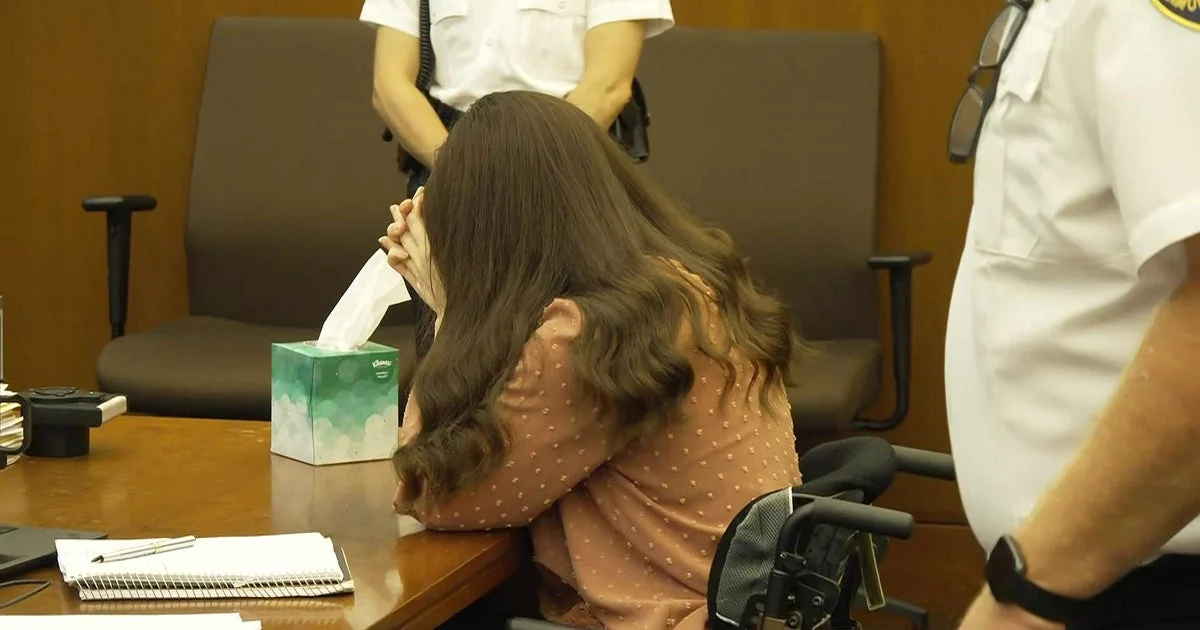
Lindsay Clancy broke down in tears Thursday in Plymouth Superior Court as a medical examiner testified about the autopsy findings on her 8-month-old son, Callan, during her ongoing murder trial. The 35-year-old mother faces first-degree murder charges in the deaths of her three children at their Duxbury home earlier this year.
What Happened
The trial resumed on August 6 in Plymouth Superior Court, Massachusetts, where prosecutors presented testimony and evidence related to the January 24, 2023 killings of Clancy’s children: 5-year-old Cora, 3-year-old Dawson, and infant Callan. A Massachusetts medical examiner detailed Callan’s injuries, including evidence of strangulation, while jurors were shown autopsy photos on screens visible only to them. Clancy sobbed audibly during the testimony, which resulted in visible distress among some jurors and prompted the presiding judge, William Sullivan, to call for a break.
Having admitted to the killings, Clancy has pleaded not guilty by reason of insanity, arguing extreme postpartum psychosis and medication side effects impaired her responsibility. The prosecution counters that she was aware of her actions and staged a fake suicide attempt afterwards. Clancy partially paralyzed herself by jumping from a second-story bedroom window following the killings.
Key Facts
Clancy faces life imprisonment without parole if convicted. Testimony also included statements from friends and coworkers describing Clancy’s mental state before the incident, mentioning insomnia, “brain fog,” and struggles to find effective medication. A longtime friend testified that Clancy texted about “dark thoughts” connected to medication side effects before the murders.
Her pediatrician testified that on the morning of the murders, Clancy and her oldest child appeared normal and without signs of postpartum issues during a physical exam. Multiple teachers from the children’s preschool described Clancy as a loving mother with nothing unusual noted in their interactions.
The defense intends to call several of Clancy’s acquaintances and family members to testify, while the prosecution will present medical experts who treated Clancy in the months preceding the murders.
What This Means
This trial highlights the intense challenges of evaluating criminal accountability amid severe maternal mental illness. Clancy’s defense rests on the argument that her actions were driven by untreated postpartum psychosis exacerbated by medication effects, raising critical questions about mental health intervention and support for mothers. The outcome will determine how Massachusetts courts balance criminal justice with psychiatric care in cases involving postpartum conditions.
For the community, this case underscores the vital importance of recognizing and addressing maternal mental health struggles proactively. It also raises awareness about the pressures faced by working mothers, especially those in high-stress healthcare roles like nursing. Moreover, jurors’ emotional reactions to graphic autopsy evidence reflect the difficulty of separating human empathy from judicial objectivity in such tragic family cases.
The trial’s coverage continues to shed light on the complex interplay between legal standards and psychiatric diagnoses, potentially influencing how future cases involving postpartum mental health defenses are viewed in the U.S. legal system.
Background
Clancy had been on maternity leave and reported severe insomnia and cognitive difficulties to coworkers prior to the murders. She was undergoing an intensive psychiatric treatment program while struggling to manage the side effects of various medications. In December 2022, she was admitted briefly to McLean Hospital, a psychiatric facility, but returned home before the killings.
Friends and coworkers recall Clancy as a dedicated nurse and mother, though visibly exhausted and mentally unwell in early 2023. The deaths of the three children in a single household shocked the local community and have drawn widespread media attention.
What Comes Next
The trial is ongoing, with the defense expected to call additional witnesses including Clancy’s friends and her former father-in-law. The prosecution will present further expert testimony relating to Clancy’s mental health treatment. The jury will have to evaluate whether Clancy’s mental state negates criminal responsibility or supports conviction.
Sources
This article is based on reporting and publicly available information from the following source:
Read more US News stories on Goka World News.