
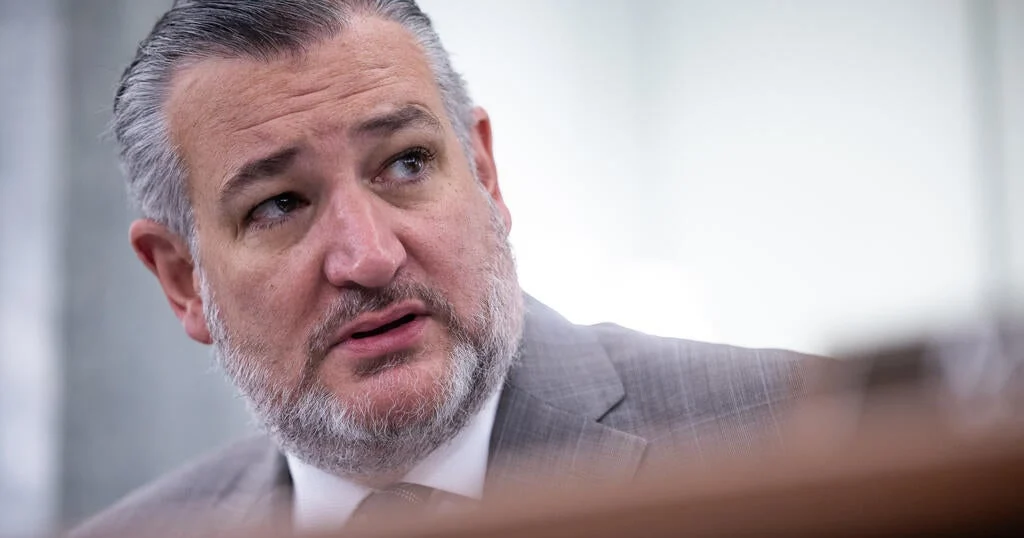
Texas Senator Ted Cruz has intensified calls for the United States to arm protesters opposing Iran’s regime, advocating regime collapse as the ultimate U.S. objective amid a six-month conflict between Washington and Tehran. His stance sharply contrasts with ongoing diplomatic efforts aimed at resolving tensions.
What Happened
On August 7, 2026, Senator Cruz elaborated on his position in an interview with CBS News national security analyst Aaron MacLean on the “School of War” podcast. Cruz criticized recent U.S.-Iran diplomatic efforts, including a recently collapsed memorandum of understanding aimed at halting hostilities and restoring shipping traffic through the Strait of Hormuz. He described this agreement as a “disaster” and warned that it risked funneling billions of dollars to Iran, thereby strengthening a regime he said is hostile toward the U.S. and responsible for threats in the region.
Since January, after Iran violently suppressed massive protests resulting in thousands of casualties, Cruz has called for the U.S. and Israel to intensify pressure on the regime. He specifically urged both allies to arm Iranian protesters, enabling them to overthrow their government without direct American ground intervention. Cruz advocates continuing military strikes on Iranian military targets and maintaining economic sanctions and blockades.
Key Facts
Cruz’s calls come amid a backdrop of escalating U.S.-Iran tensions marked by military strikes and intermittent negotiations. The memorandum of understanding signed in June, which later collapsed, aimed at stopping the conflict and reopening shipping lanes but faced strong Republican opposition. Cruz warned it could provide Iran with $300 billion in reconstruction funds, originating not from the U.S. government but from Gulf states and private investors, according to Trump administration officials.
President Trump’s stance has softened compared to earlier calls for regime change, and he has expressed reservations about potential successors such as Reza Pahlavi, former crown prince of Iran. Cruz expressed no preference for who replaces the current leadership, emphasizing only that the successor should not be an Islamist hostile to America.
The issue highlights divisions within the GOP, with figures like Senators Bill Cassidy and Tom Cotton also opposing the diplomatic deal, while others like Senator Rand Paul question the entire military approach. Vice President JD Vance has defended negotiations, expressing frustration with hawkish critics.
What This Means
Cruz’s call to directly arm Iranian protesters represents a significant escalation in U.S. policy rhetoric and reflects a broader debate over how America should engage with hostile states. Arming dissidents on foreign soil risks exacerbating the conflict, potentially drawing the U.S. into a deeper proxy confrontation with Iran. For ordinary Americans, such a strategy could mean increased military engagement overseas, higher risks of regional instability affecting global energy markets, and potential retaliatory threats against U.S. interests.
Furthermore, his skepticism toward diplomatic efforts underscores ongoing challenges in negotiating with adversaries where mutual mistrust runs deep. Cruz’s insistence on regime collapse over negotiated settlement suggests a preference for a high-risk approach that could reshape the Middle East but also increase uncertainty and conflict duration. For policymakers and the public, this highlights the tension between pursuing diplomatic resolutions versus more aggressive tactics in foreign policy.
What Remains Unclear
The motives behind the protests in Iran, the scope of opposition groups willing or able to take up arms, and the specific logistics of how the U.S. would supply weapons remain unspecified. Additionally, the viability and aftermath of regime collapse—including who might realistically succeed the current government—are yet to be determined.
What Comes Next
As diplomatic talks remain precarious, U.S. policymakers continue debating strategies. The administration may weigh Cruz’s calls within broader policy discussions, while ongoing negotiations with Gulf states and Oman seek to stabilize shipping routes. Further hearings or statements from congressional members and administration officials could clarify future U.S. actions.
Sources
This article is based on reporting and publicly available information from the following source:
Read more Politics stories on Goka World News.