
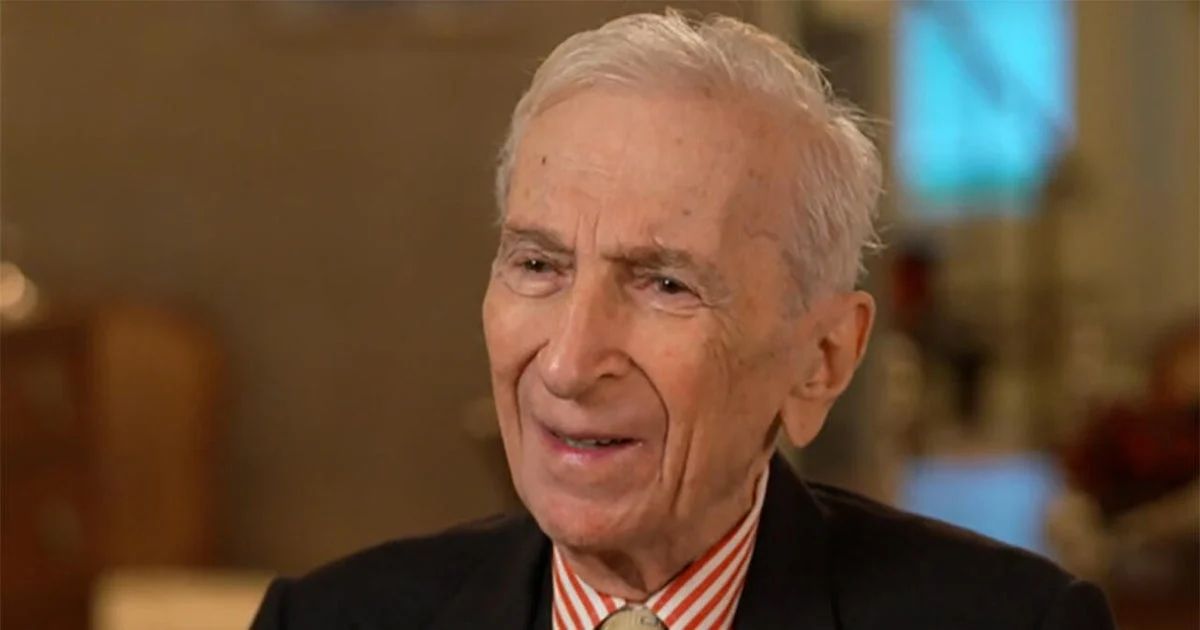
Gay Talese, a towering figure in American journalism, has cemented his place as one of the most influential writers of the past seven decades. Known for his meticulous storytelling and deep human insight, Talese’s work reshaped nonfiction writing, inspiring generations of journalists. Recently, the New York Public Library acquired his professional and personal archives, preserving his remarkable career for future study.
What Happened
The New York Public Library officially acquired the comprehensive archives of Gay Talese, the renowned American writer and journalist whose career spans around 70 years. Talese, who began as a copyboy at The New York Times, developed a unique style of narrative journalism often described as pioneering “New Journalism.” His works, including the landmark 1969 bestseller “The Kingdom and the Power,” as well as the iconic Esquire profile “Frank Sinatra Has a Cold,” have become central pieces of American literary journalism. At age 94, Talese continues to reflect on his career and approach, despite recently revealing his battle with Parkinson’s disease.
Key Facts
Talese started at The New York Times writing about overlooked subjects, like the maintenance of the famous Times sign. His method was to illuminate people often invisible in public discourse, announcing he wanted to “be the lamplighter” for the unseen. His 1966 Esquire piece on Frank Sinatra, crafted around the fact that Sinatra would not talk to him, revolutionized celebrity profiles by focusing on the environment and entourage around Sinatra rather than the star himself. Renowned journalism professor Robert Boynton called Talese “the most curious person” he has ever met, noting the writer’s dedication to deep, cinematic reporting.
Talese’s portfolio includes richly detailed profiles of sports icons such as Joe Louis and culturally significant figures, many written with patience and close observation, exemplified by his “art of hanging around.” His career also includes immersive projects like “The Bridge,” about Verrazzano Bridge construction, and “Thy Neighbor’s Wife,” a controversial early 1970s work about the sexual revolution and social taboos, reflecting his willingness to immerse himself in disparate worlds.
Married for 67 years to respected editor Nan Talese, he has navigated both personal and professional challenges with dedication to his craft. Talese’s methodical approach often involved dressing appropriately for his subjects, whether in a suit atop scaffolding or blending into alternative communities.
What This Means
The acquisition of Talese’s archives by a major cultural institution like the New York Public Library underscores the enduring impact of narrative journalism in American culture. Talese’s work exemplifies a deeply humanistic form of reporting that prioritizes observation, storytelling, and respect for subjects, contrasting with today’s faster, more transactional news paradigms. His holistic and immersive approach reminds contemporary journalists and readers that understanding people and their stories often requires time, patience, and empathy—qualities sometimes lost in the digital news age.
For readers and future writers, Talese’s legacy serves as a benchmark for the art of narrative nonfiction, emphasizing that great journalism can both inform and move. Moreover, his ongoing battle with Parkinson’s disease and reflection on the quality of his work invite broader conversations about perseverance and creative vitality in late career stages.
Background
Gay Talese rose through the ranks at The New York Times from copyboy to reporter, chronicling power struggles within the newspaper itself in his first bestseller. His breakthrough in magazine journalism came in the mid-1960s at Esquire under editor Harold Hayes, where he was grouped with writers like Norman Mailer and Tom Wolfe in shaping “New Journalism.” His influence helped shift magazine writing toward more intimate, literary forms.
Talese’s distinct writing style eschewed simplistic celebrity worship or gossip, seeking instead to provide fully developed portraits that revealed complexities beneath surface impressions. His work compelled a reconsideration of what nonfiction writing could achieve.
What Comes Next
With Talese’s archives now housed at the New York Public Library, scholars, journalists, and the public will gain increased access to his extensive notes, drafts, and photographs. This trove will offer invaluable insight into Talese’s creative process and the evolution of American journalism throughout the 20th and early 21st centuries.
Sources
This article is based on reporting and publicly available information from the following sources:
Read more US News stories on Goka World News.