
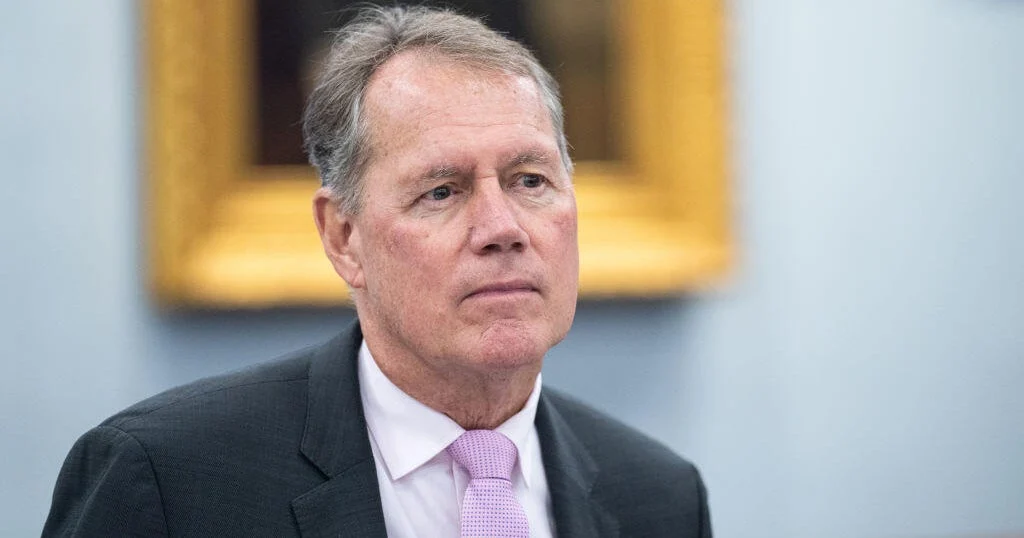
Rep. Ed Case secured the Democratic nomination for Hawaii’s 1st Congressional District on August 8, 2026, defeating a progressive challenger in the primary election. With 91% of precincts reporting, Case held nearly a 14-point lead over state Sen. Jarrett Keohokalole, signaling a decisive victory that defies recent trends of progressive candidates unseating moderate incumbents.
What Happened
On August 8, 2026, voters in Hawaii’s 1st District, which includes Honolulu and surrounding parts of Oʻahu, participated in the Democratic primary to select their nominee for the November general election. Incumbent Rep. Ed Case emerged victorious over his nearest competitor, state Sen. Jarrett Keohokalole. Keohokalole had campaigned on a progressive platform, criticizing Case notably for his vote to send military aid to Israel and his earlier support for President Trump’s SAVE America Act. Although Case was one of only three House Democrats to vote for the initial version of the bill, he clarified to Hawaii News Now that he did not support the most recent iteration.
Case has served as the representative for Hawaii’s 1st District since 2019. Prior to this, he represented Hawaii’s 2nd District from 2002 to 2007, covering more rural areas of Oʻahu and the other Hawaiian islands. The primary win ensures that Case will face Republican Adriel Lam, who ran unopposed in the Republican primary, in the upcoming November election. Given Hawaii’s strong Democratic leaning, Case is widely favored to retain his seat.
Key Facts
With 91% of votes counted, Case held about a 14-point lead over Keohokalole. The Republican primary saw Adriel Lam secure the nomination without opposition. Additionally, Hawaii Governor Josh Green maintained his Democratic nomination after facing three nominal challengers and will compete against Republican Gary Cordery in November.
What This Means
Case’s primary victory underscores the endurance of moderate Democratic incumbents in certain established districts despite ongoing progressive challenges nationwide. His support for military aid to Israel and a controversial bill linked to former President Trump could have made his campaign vulnerable, yet Hawaii voters opted for his seasoned leadership and experience. This outcome may suggest that, in politically safe Democratic districts like Hawaii’s 1st, moderation retains broader appeal compared to more progressive platforms.
Beyond the immediate electoral implications, Case’s win likely signals continuity in legislative priorities and representation style for Hawaii, reassuring constituents who favor stability and incumbency advantages. Meanwhile, the November matchup against the Republican nominee may attract national attention as part of broader midterm election dynamics, although the district’s Democratic lean makes a Republican upset unlikely.
Background
In recent election cycles, several moderate Democratic incumbents in liberal districts—particularly in New York and Colorado—have lost primary battles to more progressive challengers. Case’s victory counters this trend, illustrating the varied landscape within the Democratic Party and the importance of district-specific factors. His previous service representing Hawaii’s 2nd District adds to his long-standing political presence in the state.
What Comes Next
Case will proceed to the November 2026 general election to compete against Republican Adriel Lam. Given the district’s heavy Democratic voter base, Case is widely regarded as the favorite to secure re-election. Meanwhile, Governor Josh Green will face Republican Gary Cordery in his own general election race.
Sources
This article is based on reporting and publicly available information from the following source:
Read more Politics stories on Goka World News.