
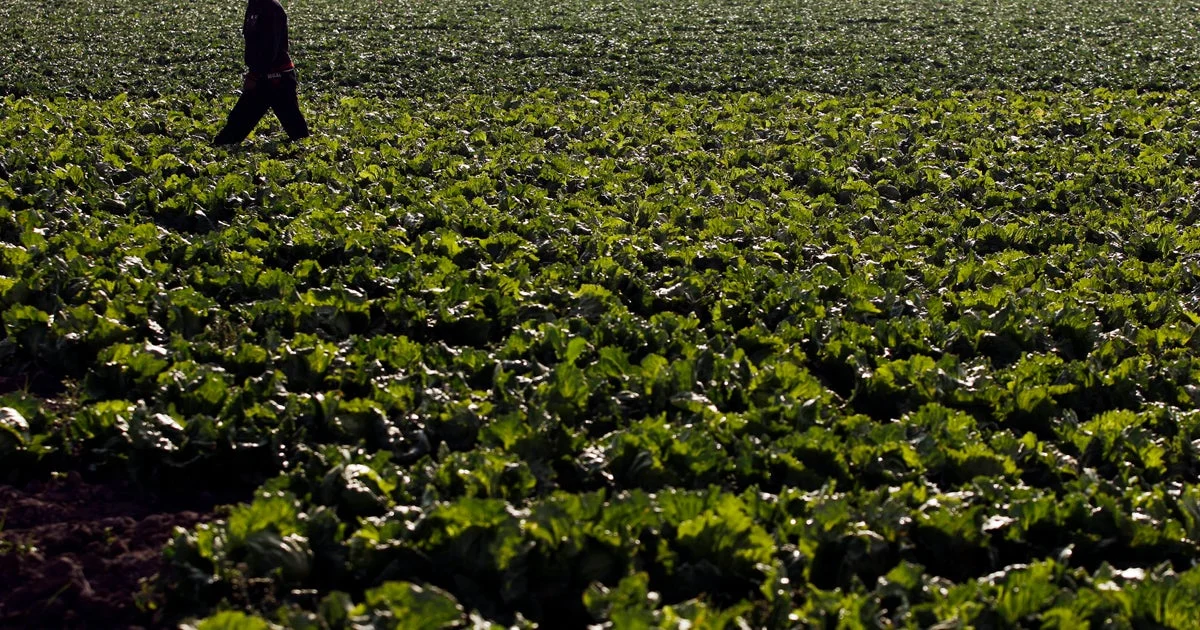
The Food and Drug Administration (FDA) conducted just under 1,000 foreign food safety inspections in 2025, a figure drastically below the nearly 20,000 inspections required annually by federal law. Among the locations skipped was Taylor Farms de Mexico, linked to a current cyclospora outbreak in the United States, which had not been inspected for seven years.
What Happened
In 2025, the FDA performed fewer than 1,000 inspections of foreign food facilities, less than 10% of the congressional Food Safety Modernization Act (FSMA) mandate of nearly 20,000 annual inspections. Taylor Farms de Mexico, believed to be the source of the ongoing U.S. cyclospora outbreak, was last inspected in 2019, with a prior assessment in 2013 following an earlier outbreak. The 2019 inspection revealed no violations, yet the facility’s infrequent reviews highlight significant gaps in FDA oversight. Efforts to meet or lower inspection targets have not culminated in legislative changes, and budget shortfalls alongside staffing challenges persist.
Key Facts
Federal data shows that since 2011, annual foreign food inspections averaged approximately 1,300, far short of the FSMA’s requirement that peaked at 19,200 inspections in 2016. In 2024, the number of foreign inspections dropped by 29% compared to 2023, marking the fewest in over a decade outside pandemic-related disruptions. The FDA employed 432 inspectors in 2024, with only 20 primarily tasked with foreign inspections. At an average cost of $38,700 per foreign inspection, meeting the congressional target would require about $743 million annually, exceeding 10% of the FDA’s total budget. Furthermore, FDA inspections have previously discovered significant safety violations, including contaminated growing fields abroad.
What This Means
This shortfall in FDA foreign inspections reflects critical vulnerabilities in safeguarding the American food supply from imported contaminants. The seven-year gap without inspecting Taylor Farms de Mexico—a major produce importer linked to illness outbreaks—illustrates systemic resource and management challenges that leave consumers exposed to preventable foodborne diseases. While food companies carry the primary responsibility for daily food safety, FDA inspections serve as an essential external check essential for upholding public health standards.
From a business perspective, these inspection deficiencies have tangible economic consequences. For instance, the cyclospora outbreak caused a nearly 20% decrease in sales of prepackaged lettuce in July, directly impacting suppliers and retailers reliant on consumer confidence. Without sufficient regulatory oversight, the risk of outbreaks not only threatens public health but also shakes market stability, consumer demand, and trust in food imports.
The persistent underfunding and understaffing of the FDA, compounded by administrative decisions and budget constraints over multiple years, demonstrate the challenges of balancing public health mandates with financial and logistical realities in a globalized food economy.
Background
The Food Safety Modernization Act, passed a decade ago, mandates the FDA to increase inspections of foreign food production facilities to protect U.S. consumers. However, the FDA has consistently fallen short of this legal target, citing unrealistic goals and insufficient funding. Past inspections have revealed troubling conditions overseas, from human feces on fields to improper food processing practices, underscoring the need for rigorous oversight.
Despite FDA concerns, Congress has not adjusted the inspection requirements nor significantly increased the agency’s food safety budget to meet inflation or expanded oversight needs. Notably, layoffs during early 2025 further strained resources, forcing frontline inspectors to handle travel and translation logistics independently.
Analysis
Senator Richard Blumenthal characterized the inspection shortfall as a symptom of underfunding and understaffing, emphasizing the need for increased resources and better management. Former FDA Deputy Commissioner Stephen Ostroff acknowledged the impossibility of meeting the congressionally mandated inspection numbers under current constraints, noting the FDA’s efforts to find alternative oversight strategies.
Food safety experts emphasize that while companies must maintain day-to-day safety, regulatory inspections remain a vital consumer protection measure. Consumer advocacy groups argue that absence of frequent inspections leaves both regulators and the public unaware of potential contamination risks in food imports.
What Comes Next
The FDA has committed to expanding staffing at foreign posts and continues to reevaluate inspection strategies and targets following Government Accountability Office recommendations. However, no revisions to congressional inspection mandates or significant budget increases have been reported so far. Early 2026 data indicate the inspection rate remains low, suggesting ongoing challenges in meeting oversight goals.
Sources
This article is based on reporting and publicly available information from the following sources:
Read more Health & Public Health stories on Goka World News.