
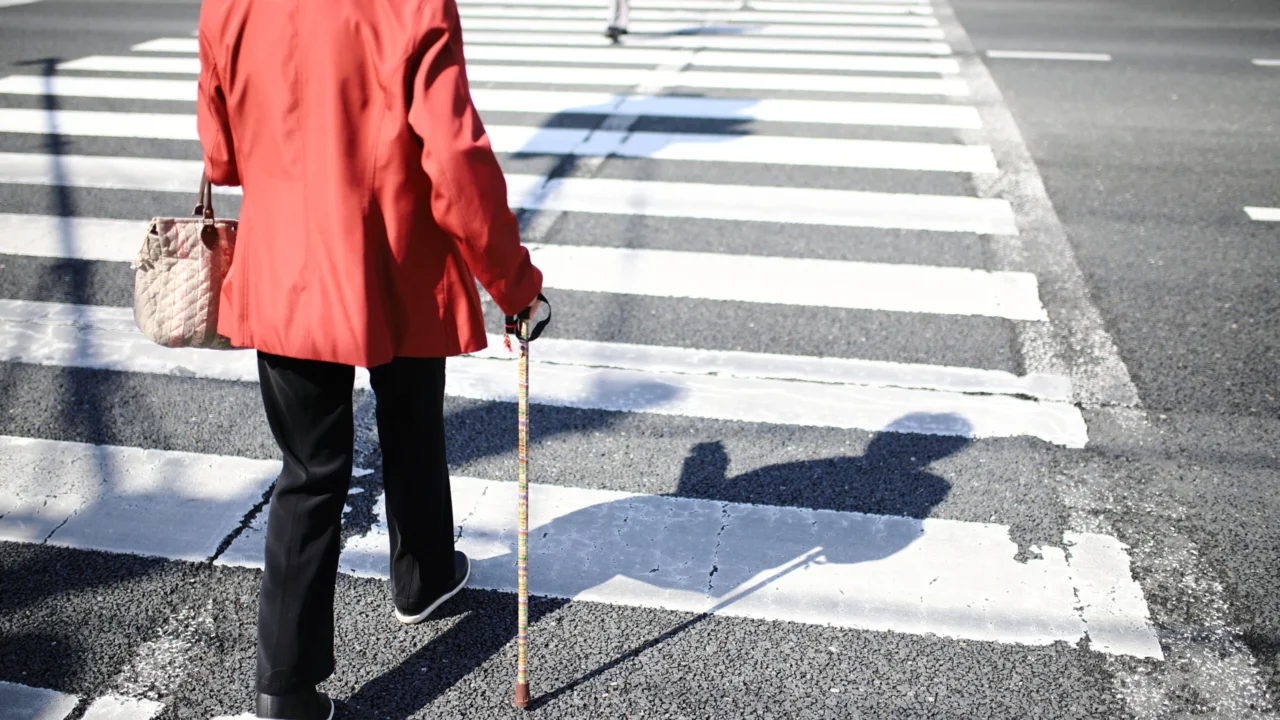
Older pedestrians in the United States suffer disproportionately higher fatality rates in motor vehicle crashes compared to younger people, even though their overall injury rates are similar. This disparity was highlighted by recent data from the National Highway Traffic Safety Administration (NHTSA) and analyzed by public health researchers, shedding light on the unique vulnerabilities that contribute to these outcomes.
What Happened
On a summer morning two years ago, Meredith Melville, a 73-year-old retired teacher, was struck by a car while crossing a street in Oakland, California. Despite using a crosswalk, she was hit by a Toyota sedan driven by a motorist who did not observe her in time. Melville sustained multiple fractures, including a replaced right hip and repaired broken elbow, followed by a long recovery involving hospitalization and rehabilitation. Her personal story illustrates the broader national trend: in 2023, nearly 8,200 pedestrians aged 65 and older were injured in traffic crashes, and over 1,500 in this age group died as a result.
Although older pedestrians are not injured more frequently than younger people, their fatality rate is significantly higher and has remained stubbornly flat for nearly two decades, according to data from the Insurance Institute for Highway Safety (IIHS).
Key Facts
The 2023 NHTSA data reported an estimated 8,200 injuries and more than 1,500 deaths among pedestrians aged 65 and older. The Insurance Institute for Highway Safety showed that from 2008 through 2024, pedestrian fatalities in people aged 70 and older have stayed consistently higher than average and have not declined. Researchers attribute this to several factors:
- Older adults often move more slowly through intersections and have impaired hearing or vision, limiting their ability to notice traffic signals or oncoming vehicles.
- Reaction times decline with age, reducing the capacity to avoid vehicles that are speeding, turning, or disobeying signals.
- Physical frailty, including loss of muscle mass and more fragile bones, leads to worse injury outcomes, such as hip fractures that carry significantly higher morbidity in older adults.
- The National Health and Aging Trends Study noted an increase in older adults walking for exercise—from 60% in 2011 to 65% in 2023—potentially increasing their exposure as pedestrians.
- Changes in vehicle types, with the rise of larger SUVs and trucks that have tall hoods and larger blind spots, have increased the danger posed to pedestrians.
- The rapid growth in use of electric bikes and motor-assisted two-wheeled vehicles, which can reach higher speeds, has sparked concerns over increased injury risks though national data remain incomplete.
- Alcohol plays a role, with about one-third of adult pedestrians killed at night having blood alcohol levels above legal limits, and 20% during the day.
What This Means
The higher fatality risk for older pedestrians highlights the intersection of aging physiology, behavioral patterns, and traffic environment challenges. Older individuals’ slower movement and reduced sensory ability increase their vulnerability amid modern traffic conditions, particularly with the rise of larger vehicles and faster micromobility devices. The consequences of crashes among older pedestrians are more severe, demanding comprehensive approaches to pedestrian safety tailored to their needs.
This trend also reflects a growing public health challenge as more older adults engage in walking for exercise and daily activities, emphasizing the importance of adapting urban planning and traffic policies. Interventions such as improved street lighting, pedestrian islands, longer crossing times, and lowered speed limits can mitigate risk. Moreover, recognizing alcohol consumption among pedestrians as a contributing factor points to potential prevention strategies beyond focusing solely on impaired drivers.
Background
After decades of decline in pedestrian deaths across all age groups from 1975 until the mid-2000s, progress has plateaued for older adults. Public health strategies like Vision Zero have been adopted in hundreds of municipalities aiming to reduce traffic fatalities through safer street designs and traffic regulation, yet these solutions remain uneven and face challenges from changing traffic dynamics. Research suggests tailoring safety measures in neighborhoods with high densities of senior destinations such as hospitals and community centers could target resources effectively.
Analysis
Andrew Rundle, an epidemiologist at Columbia University, emphasizes the frailty and sensory decline that slow older pedestrians and impair their ability to react to traffic hazards. Charles DiMaggio, an injury epidemiologist at NYU Grossman School of Medicine, notes the stark difference in outcomes between younger and older adults suffering the same injuries, such as hip fractures, which can be life-altering or fatal in seniors.
Stephen Mooney of the University of Washington underscores the need for creating traffic systems that do not rely on pedestrians avoiding vehicles but instead prioritize safer environments for all ages and physical capabilities. Noah Miterko of PeopleforBikes calls for regulation of higher-speed electric bikes akin to motor vehicles, reflecting growing concerns about evolving mobility risks.
What Comes Next
Public health officials and researchers advocate expanding and accelerating implementation of traffic safety measures designed with older pedestrians in mind, including pedestrian-friendly street designs and signal timing adjustments. Some states and cities are beginning to regulate electric bikes more rigorously to address injury concerns. Ongoing monitoring of e-bike-related injuries and fatalities will inform future policies and prevention efforts.
Sources
This article is based on reporting and publicly available information from the following sources:
Read more Health & Public Health stories on Goka World News.