
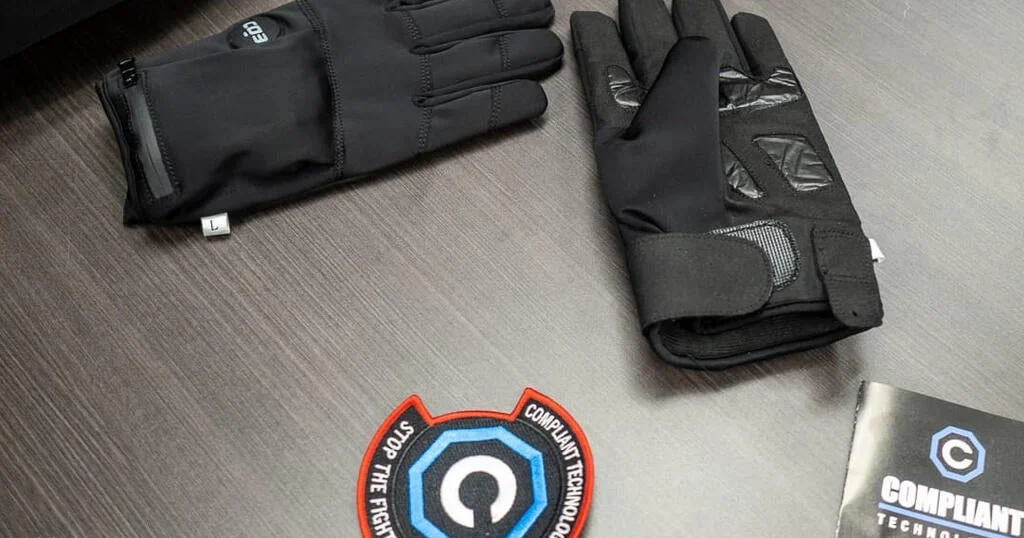
The Department of Homeland Security (DHS) announced plans for U.S. Immigration and Customs Enforcement (ICE) to acquire gloves capable of delivering electric shocks to assist officers in gaining compliance from resistant individuals. The procurement, outlined in a solicitation notice published on August 10, 2026, could involve spending between $10 million and $20 million on these “conductive distraction and de-escalation devices” by March 2027.
What Happened
The gloves, known as G.L.O.V.E. (Generated Low Output Voltage Emitter), are manufactured by Compliant Technologies LLC, based in Lexington, Kentucky. The DHS stated the procurement may proceed via a no-bid contract, potentially announced as early as August 14, 2026.
The G.L.O.V.E.s function as standard patrol gloves until activated by a switch that delivers a low-voltage electric shock directly to a person’s skin, producing an immediate pain stimulus. According to the manufacturer and law enforcement users, this stimulus typically compels cooperation within seconds. ICE has indicated the devices are intended to enhance officer safety and efficacy during encounters involving aggressive or non-compliant subjects, especially amid the agency’s recent arrest intensification efforts.
Key Facts
- The procurement notice was published by DHS on August 10, 2026.
- Projected expenditure for the gloves ranges between $10 million and $20 million, with delivery targeted by March 2027.
- The gloves have been previously used by various jails and police agencies.
- ICE is under pressure from the White House to increase arrests to 2,000 per day.
- Recent ICE arrest operations have prompted criticism over use-of-force tactics, including fatal shootings in Maine and Texas where agents lacked body cameras.
- A DHS spokesperson stated the agency carefully reviews all technology acquisitions to ensure compliance with law enforcement standards.
- The manufacturer mandates officer certification training and recertification every two years for proper use.
What This Means
ICE’s plan to deploy electric shock gloves marks a significant escalation in the types of force options available to immigration enforcement officers. As the agency faces calls to intensify arrest activities, the gloves could serve as a tool to quickly subdue individuals resisting detention, potentially reducing prolonged physical confrontations.
However, the introduction of this technology raises critical concerns about accountability and appropriate use, especially given ICE’s past scrutiny for aggressive tactics and insufficient transparency. The gloves’ discreet operation may complicate oversight, as shocks might be delivered without immediate visible indication or advance warning to those subjected to them. This could contribute to heightened tensions in already fraught enforcement encounters.
For communities affected by ICE operations, the presence of such devices signals a shift toward more coercive measures, which may impact perceptions of safety and trust in law enforcement. Furthermore, the policy and training frameworks surrounding their deployment will be pivotal in determining whether their use aligns with civil rights protections and humane treatment standards.
Background
The ICE announcement comes amid an expanded crackdown on individuals arrested for immigration violations under directives from the Biden administration to meet high daily arrest quotas. Heightened enforcement has sparked public debate over ICE’s role and methods, particularly after recent incidents resulting in fatalities and criticism over the lack of body-worn cameras on agents.
This push to equip officers with new compliance tools follows the broader trend of law enforcement agencies adopting electronic control devices to manage non-compliant subjects. The G.L.O.V.E., unlike stun guns or Tasers, delivers localized shocks through gloves, allowing for a different approach during physical altercations.
Reactions
Civil liberties organizations, including the American Civil Liberties Union (ACLU), have expressed alarm over the announcement. Jenn Rolnick Borchetta of the ACLU questioned the necessity of such devices in civil immigration enforcement and highlighted concerns regarding potential misuse and harm to the public. She pointed out ICE’s recent history of rapid force use as a basis for skepticism toward their ability to restrain deployment of this painful technology.
John Peters, president of the Institute for the Prevention of In-Custody Deaths, who has studied the G.L.O.V.E., acknowledged its effectiveness in subduing resistance quickly. Peters emphasized the importance of comprehensive training and policy safeguards to mitigate misuse and mitigate potential injuries.
What Comes Next
The solicitation process for the G.L.O.V.E. devices may officially begin as soon as August 14, 2026, with deliveries expected by March 2027. ICE’s implementation plans will likely include training protocols and policy development to regulate their use. Further scrutiny from congressional oversight committees and civil rights advocates is anticipated as the gloves enter operational deployment.
Sources
This article is based on reporting and publicly available information from the following sources:
Read more US News stories on Goka World News.