
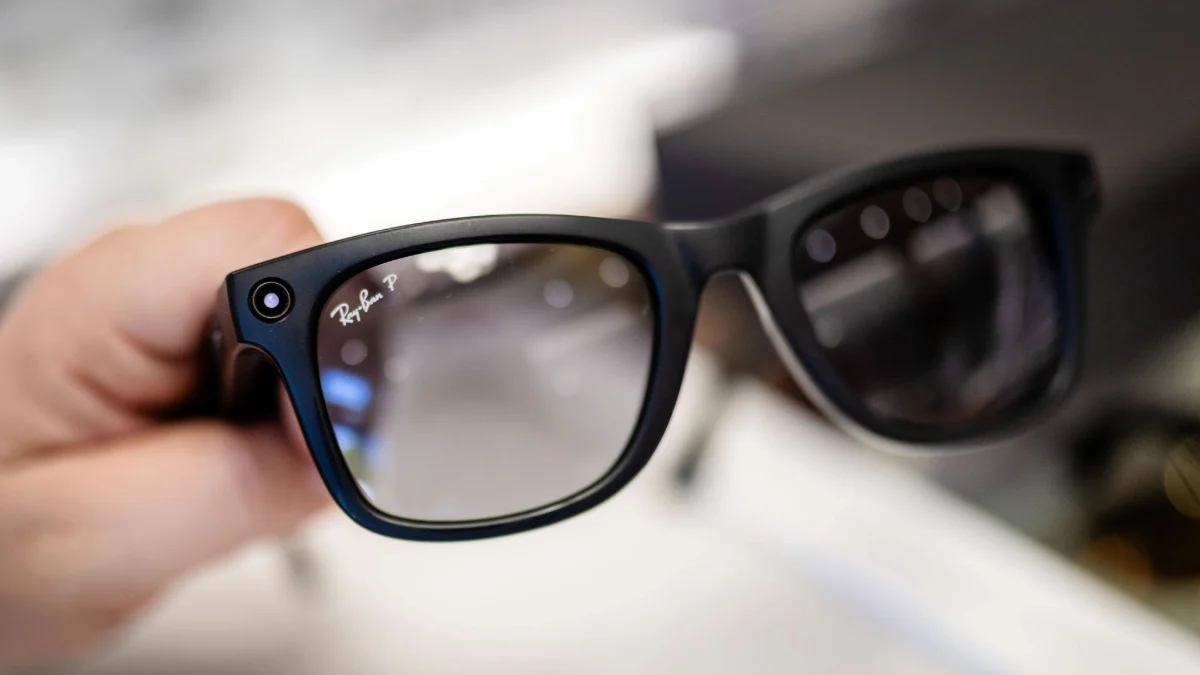
Meta’s internal revelation that it developed and briefly deployed facial recognition capability for its AI-enabled smart glasses has intensified concerns about privacy and regulatory oversight of emerging AI technologies. The plans, now reportedly shelved, involved enabling smart glasses wearers to nonconsensually identify and track individuals, raising alarms among civil rights and disability advocates.
What Happened
An internal Meta memo published earlier this year disclosed that the company had developed facial recognition features for its smart glasses, enabling identification of people encountered by the wearer without their consent. Wired reported that Meta rolled out, then deleted, software code within the companion Meta AI app to support this function. According to The New York Times, Meta initially intended to pilot the feature among attendees at a conference for the blind before broader deployment during a politically sensitive period to limit civil society criticism. The proposal has since faced widespread public backlash and was reportedly abandoned.
Key Facts
This initiative took place within Meta Platforms, a major player in artificial intelligence consumer devices, specifically for its Ray-Ban branded smart glasses. It targeted the deployment of facial recognition technology through a companion app designed to connect with Meta’s existing social platforms such as Instagram. Users could, in theory, recognize individuals with public profiles or those connected to the wearer. This would have allowed identification without explicit permission or awareness from those being scanned, potentially in any environment including sensitive spaces like medical offices.
The plan to test on a disabled community event was cited in the original Meta memo, linking the rollout to accessibility claims. However, privacy groups including the Electronic Frontier Foundation condemned the effort as a violation of privacy rights. The American Foundation for the Blind emphasized that the glasses’ accessibility utility was incidental rather than foundational to the feature’s design, calling out Meta’s approach as exploiting disability narratives to justify invasive technology.
What This Means
The revelation reveals a critical intersection of AI regulation, privacy rights, and accessibility concerns that regulators and lawmakers are increasingly grappling with worldwide. Facial recognition technology incorporated into consumer AI devices like smart glasses carries profound implications for civil liberties, potentially enabling covert surveillance and identification without consent.
Meta’s approach exposes regulatory gaps in governing biometric AI tools, especially those marketed as accessibility aids while simultaneously posing risks to marginalized groups. The incident highlights how companies might leverage vulnerable populations to normalize or deflect criticism from invasive capabilities. For consumers and marginalized communities, it raises the prospect of being monitored in everyday scenarios without awareness or control.
From a regulatory standpoint, this case underscores the need for clear AI governance frameworks that address biometric surveillance embedded in wearable technology. Enforcement bodies will need to scrutinize consent mechanisms, transparency around data use, and the ethical deployment of facial recognition technologies that target or affect vulnerable demographics.
Background
Facial recognition technology has long been a flashpoint in AI regulation debates, with concerns over irrevocable privacy intrusions and bias leading to bans or moratoria in several jurisdictions. Meta’s earlier AI projects, including controversial uses of user data and biometric information, have drawn regulatory scrutiny globally. The use of facial recognition in consumer devices intensifies these challenges amid increasing calls for stronger AI-specific laws that embed robust privacy protections and ethical safeguards.
Who Is Affected
Consumers wearing Meta’s smart glasses could potentially record and identify passersby without consent, implicating privacy rights broadly. Notably, blind and low-vision individuals—mentioned as an intended beneficiary group—face unique risks as limited visual cues reduce their ability to detect when recording occurs, heightening surveillance vulnerability. Disability rights groups caution that the technology could exacerbate stalking and intimate partner violence risks among disabled people.
What Remains Unclear
It is not confirmed whether Meta will revisit facial recognition features in the future or how regulators in various jurisdictions might respond if such capabilities were formally proposed. Details about how Meta would have secured consent, mitigated data protection concerns, or complied with evolving AI biometric rules remain unspecified.
What Comes Next
Stakeholders await further regulatory clarifications on biometrics controls within AI wearables, alongside potential legislative proposals to limit or guide facial recognition uses in consumer products. Meta’s moves could trigger enforcement investigations or prompt lawmakers to accelerate oversight discussions at national and international levels.
Sources
This article is based on reporting and publicly available information from the following sources:
Read more AI Regulation stories on Goka World News.