
Iran has publicly affirmed its control and management of the Strait of Hormuz, a vital international waterway, following statements by former U.S. President Donald Trump asserting American dominance in the region. The developments intensify ongoing geopolitical tensions over access to crucial oil shipping lanes that impact global markets.
What Happened
On August 13, 2026, Tehran announced that the Strait of Hormuz is “under Iran’s control and management” after President Trump posted on his Truth Social platform that the U.S. has “total control” over the waterway and suggested the United States “will keep it.” This assertion by Trump came amid escalating disputes regarding navigation rights and regional influence over the strategic maritime passage.
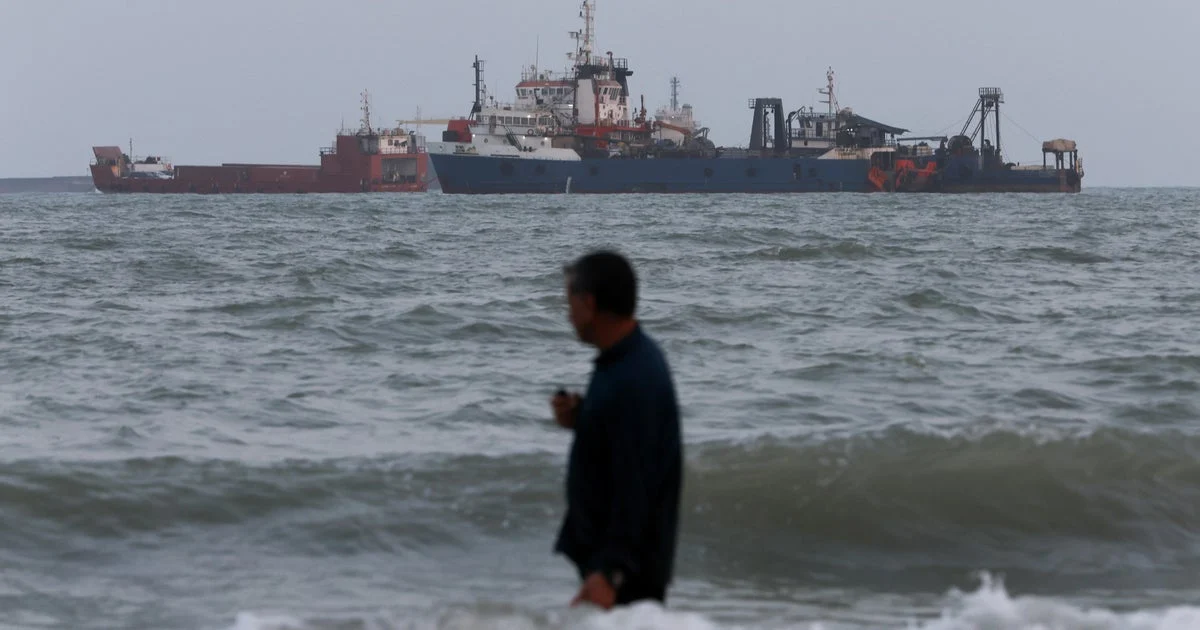
Additionally, Iran has demanded compensation related to an oil spill affecting Qeshm Island, attributing the source to a foreign bulk carrier. This environmental incident adds another layer of tension to the broader conflict indicators present in the area.
Key Facts
The Strait of Hormuz is a narrow passage between the Persian Gulf and the Gulf of Oman, through which a significant portion of the world’s oil shipments transit. Iran’s statement of control directly challenges U.S. assertions and underscores Tehran’s strategic posture in the waterway.
President Trump’s August 12 declaration on social media underscored that the U.S. “has total control” over the strait and indicated the intent to maintain this dominance. This claim sparked Iran’s rebuttal affirming its own authority.
In the context of the larger Iran conflict, the U.S. continues to maintain a naval presence in the region. The USS Abraham Lincoln aircraft carrier, despite recent reports of operational strains, remains deployed enforcing a blockade on Iranian ports. Meanwhile, the USS George Washington aircraft carrier is en route to the Middle East, replacing the Lincoln, signaling continued U.S. military commitment to the region.
The geopolitical spotlight remains on attempts by intermediaries, including former U.S. officials such as Jared Kushner, seeking diplomatic solutions to instability in the Middle East, including Iran-related conflicts and the broader Israeli-Palestinian situation.
What This Means
The dispute over control of the Strait of Hormuz is more than a symbolic contest; it involves the practical ability to regulate one of the world’s most critical oil transit routes. Both Iran and the U.S. have strategic and economic interests tied to this waterway’s security. Any disruption or contestation affects global oil prices, energy security, and international trade flows.
Iran’s assertion of control may embolden Tehran’s regional leverage and complicate efforts to ensure freedom of navigation recognized by international law. For the global economy, heightened uncertainty around this chokepoint risks intermittent spikes in oil prices and may hamper the stability of energy markets worldwide.
For regional players and global powers, these developments reinforce the high stakes involved in Middle East diplomacy and military posturing. They also underline the potential for escalation in broader Iran-U.S. tensions, further imperiling prospects for peace and stability in an already volatile region.
Background
The Strait of Hormuz has long been a flashpoint in Iran-U.S. relations, with Iran frequently asserting its sovereignty and ability to control passage through the narrow strait. The United States, relying on freedom of navigation principles, has historically maintained a naval presence to counter Iran’s regional influence.
Previous conflicts and crises, including sanctions, proxy engagements, and direct naval confrontations, have shaped the current impasse. Tehran’s claims follow months of heightened military and diplomatic tension between Iran and the U.S., as well as regional actors.
What Remains Unclear
The claims over control have not been formally verified by neutral international parties. Details regarding the legal or military enforcement capacity attached to Iran’s statement remain unspecified. Similarly, the origin and scope of the oil spill near Qeshm Island and its financial or environmental repercussions require further confirmation.
What Comes Next
The U.S. appears set to maintain and possibly enhance its naval posture in the Persian Gulf, evidenced by the redeployment of the USS George Washington carrier group to replace the USS Abraham Lincoln. Diplomatic channels continue, with planned visits by representatives from the Trump-backed Board of Peace, including Jared Kushner, aimed at advancing negotiations toward resolving broader regional conflicts.
Sources
This article is based on reporting and publicly available information from the following sources:
Read more World News stories on Goka World News.