
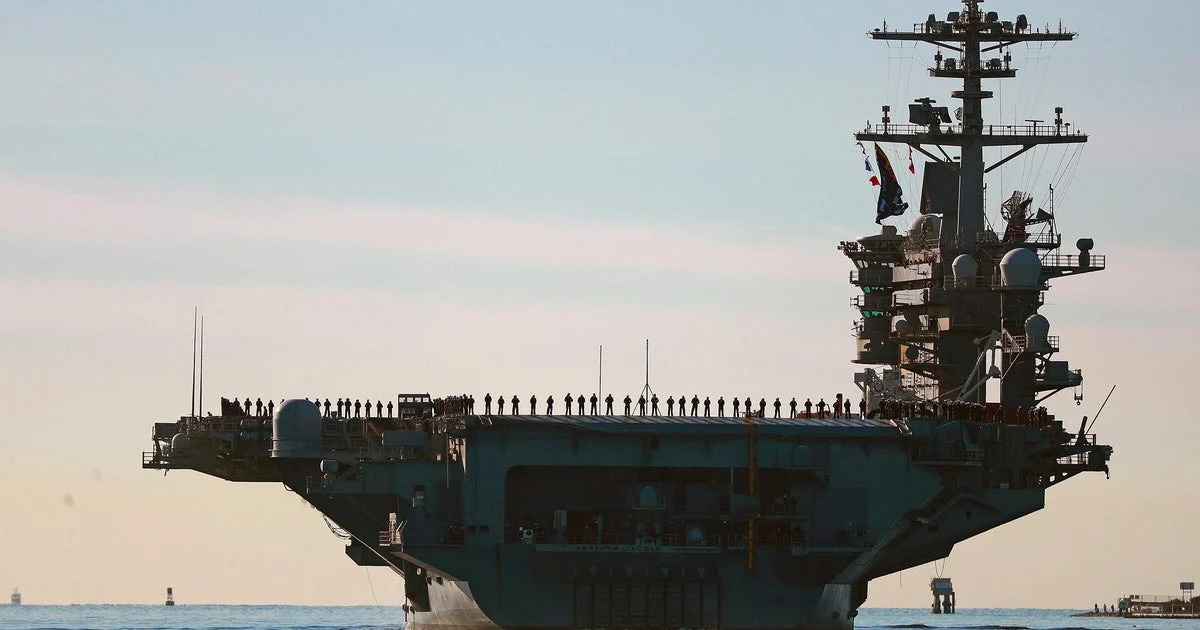
U.S. Central Command’s Admiral Brad Cooper sought to ease growing concerns about the welfare of sailors and Marines aboard the USS Abraham Lincoln following reports of deteriorating mental health, substandard sanitary conditions, and food supply issues amid the ship’s prolonged deployment. The carrier, which traditionally would deploy for six months, has been at sea for nine months due to ongoing conflict involving the United States and Iran.
What Happened
On August 16, 2026, Adm. Brad Cooper visited the USS Abraham Lincoln and subsequently posted a statement on X addressing the challenges of an extended deployment at sea. He acknowledged that deployment is “uniquely challenging and tough,” emphasizing that stress impacts individuals differently, including himself. Cooper underscored his belief in attending to mental health equally alongside physical and spiritual health but did not confirm specific problems aboard the ship.
Recent coverage by Military Times and Stars and Stripes highlighted reports of suicide attempts and declining morale among the ship’s thousands of service members. Family members, such as Jefferson Kelley, whose son is aboard the Lincoln, expressed concerns that the ship’s deployment duration is excessive, citing the vessel’s age and ongoing maintenance demands.
The Navy has stated it has not observed an uptick in reported suicide ideation or attempts. An incident involving a sailor falling overboard on August 3 remains under investigation. Meanwhile, USS George Washington is reportedly en route to replace the Abraham Lincoln, though the timing is uncertain.
Defense Secretary Pete Hegseth dismissed media reports as “completely misrepresented,” and former President Donald Trump stated the deployment “has been not nearly long enough,” when asked about the prolonged deployment concerns.
Congressional members from both parties have pushed for greater oversight. Republican Representative Don Bacon called for hearings and testimony from Navy leaders to scrutinize the ship’s conditions. Democratic Senator Richard Blumenthal demanded answers and a relief plan in a formal letter to Pentagon officials, citing reports of supply shortages, water contamination, plumbing problems, declining mental health, and deck safety risks.
Key Facts
The USS Abraham Lincoln, deployed for nine months amid the U.S.-Iran tension, is one of the oldest aircraft carriers in active service, requiring continuous maintenance. Admiral Cooper’s statement on August 16 recognized the challenges of deployment stress without confirming specific deteriorations. Family members and media outlets reported mental health crises, including suicide attempts. The Navy disputes these claims, reporting no increase in suicide attempts. An August 3 sailor-overboard incident is under investigation. Replacement by USS George Washington is planned but delayed. High-level officials, including Defense Secretary Hegseth, have publicly rejected negative reports. Congressional oversight has been requested, with calls for testimonies and relief planning from the Pentagon.
What This Means
The extended deployment of the USS Abraham Lincoln highlights the broader strains of military operations during protracted conflicts, especially in regions like the Middle East. For the sailors and Marines aboard, prolonged time at sea, aged ship conditions, and heightened operational stress pose tangible risks to morale and mental health. This situation underscores challenges in balancing strategic military needs with personnel welfare.
The official responses from Adm. Cooper and senior defense leaders demonstrate an attempt to contain concerns before they escalate into broader political or operational crises, though the push from Congress signals sustained scrutiny. Oversight efforts could lead to greater transparency about personnel conditions, potential policy adjustments regarding deployment durations, and increased resources for maintaining older naval assets.
This episode may also influence public and political discourse about the U.S. military’s readiness and care standards during sustained conflicts, potentially affecting funding and strategic decisions in future engagements.
Background
The USS Abraham Lincoln’s nine-month deployment exceeds the typical six-month naval deployment. The ship’s extended stay relates to escalating tensions and conflict with Iran, restricting rotation cycles and necessitating longer deployments for operational readiness in the region. This has raised questions about the impact on crew well-being and the Navy’s capacity to replace aging vessels promptly. Congressional concerns reflect broader bipartisan interest in military personnel welfare and operational transparency during ongoing foreign conflicts.
What Comes Next
Congressional members, led by Rep. Don Bacon and Sen. Richard Blumenthal, have called for formal oversight proceedings, including testimony from Navy officials regarding the conditions aboard the ship and planned relief measures. The Navy’s timeline for fully replacing the USS Abraham Lincoln with the USS George Washington remains uncertain. Further investigation is expected regarding recent incidents on the ship, including the sailor-overboard event. The ongoing conflict with Iran continues to shape deployment decisions and timelines.
Sources
This article is based on reporting and publicly available information from the following source:
Read more US News stories on Goka World News.