
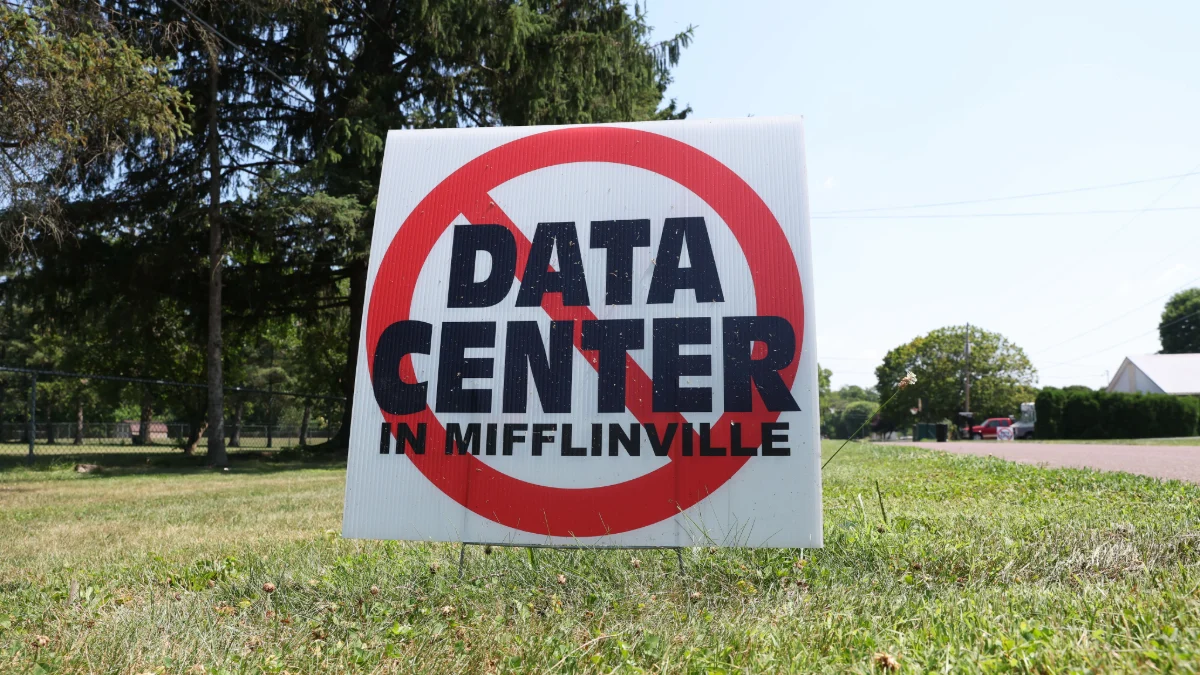
In the past year, U.S. state legislatures have introduced nearly 400 new bills addressing the environmental, community, and operational impacts of data centers. This surge in legislation marks a clear departure from earlier policies that primarily incentivized data center development. These legislative efforts often intersect with the rising backlash against artificial intelligence (AI), as regulators and activists grapple with the broader societal costs associated with expanding data infrastructure.
What Happened
Between mid-2025 and mid-2026, state lawmakers across the country introduced approximately 473 bills related to data centers, more than doubling the legislative activity seen in previous years. Of these, around 420 bills—nearly 90%—focused on investigating or mitigating the negative externalities of data centers, such as environmental harm, electricity consumption, and community impacts. According to an analysis supported by the Halt the Harm Network, 47 bills have become law through July 2026, with 16 imposing new regulations and 9 reducing existing incentives.
At the federal level, legislative progress has been more limited. Notably, leading progressive legislators such as Sen. Bernie Sanders (I-Vt.) and Rep. Alexandria Ocasio-Cortez (D-N.Y.) have introduced the Artificial Intelligence Data Center Moratorium Act in Congress. This bill proposes a nationwide pause on new data center construction until comprehensive AI safety laws and labor protections are enacted. The federal bills often explicitly reference AI concerns, while state laws usually focus on the physical and environmental effects of data centers.
Key Facts
- The legislative activity spans nearly 400 new bills on data centers introduced in state and federal legislatures over the last 12 months.
- Only about 11% of 2026 state bills promote incentives for data centers, often tied to mitigating environmental harm, marking a steep decline from 32% in prior years.
- State legislatures have targeted historically under-addressed issues such as prohibitions on non-disclosure agreements between developers and officials, financial assurances for site restoration, and policies to empower local zoning controls.
- The Maine state legislature passed a moratorium bill on data center construction in 2026, though it was vetoed by the governor.
- Federal bills like the Artificial Intelligence Data Center Moratorium Act focus on AI safety legislation as a precondition for lifting construction bans.
- Some bills encourage data centers to bring their own clean or modular nuclear power sources to reduce strain on public electricity grids.
- As of July 2026, 47 state-level laws or resolutions related to data centers have been enacted; none of these are federal laws.
What This Means
The shift in legislative momentum reveals growing recognition that data center growth is no longer an unmitigated economic boon and requires closer oversight to address environmental and community drawbacks. Restrictions on non-disclosure agreements increase transparency around data center projects, allowing public scrutiny and more informed policymaking. Financial assurance requirements for site restoration mitigate risks of abandoned, environmentally damaged properties. Empowering local governments to use zoning authority signals a decentralization in control over data center approvals, giving communities more say over nearby developments.
Meanwhile, the federal AI-related moratorium proposal underscores how concerns about AI’s broader societal impacts are now entwined with the data center debate. This development reflects heightened political and public scrutiny over the rapid AI-driven expansion of computing infrastructure, linking infrastructure regulation with AI governance in an unprecedented way. For companies planning new facilities, the evolving patchwork of state rules and potential federal restrictions means more complex compliance landscapes and greater hurdles to swift expansion.
Background
Previously, state and local governments generally took a more welcoming stance toward data centers, encouraging their development through tax incentives and streamlined permitting given the sector’s perceived economic benefits. However, recent concerns about data centers’ massive energy consumption, contribution to electricity grid stress, environmental degradation, and community impact have prompted a reevaluation. The growing backlash against AI technologies has added a new dimension, with critics linking large-scale data centers to the proliferation of AI systems whose consequences are under intense debate.
What Comes Next
Many state bills remain under consideration, and additional legislation is expected as data center industries and AI debates evolve. The federal Artificial Intelligence Data Center Moratorium Act faces the challenge of securing bipartisan support amidst competing interests between AI promotion and community protections. At the state level, the continuing emergence of laws targeting data center environmental impact, transparency, and financial responsibility suggests regulation will tighten. Local governments will likely leverage new zoning powers and resources provided by states to shape data center development more extensively.
Sources
This article is based on reporting and publicly available information from the following sources:
Read more AI Regulation stories on Goka World News.