
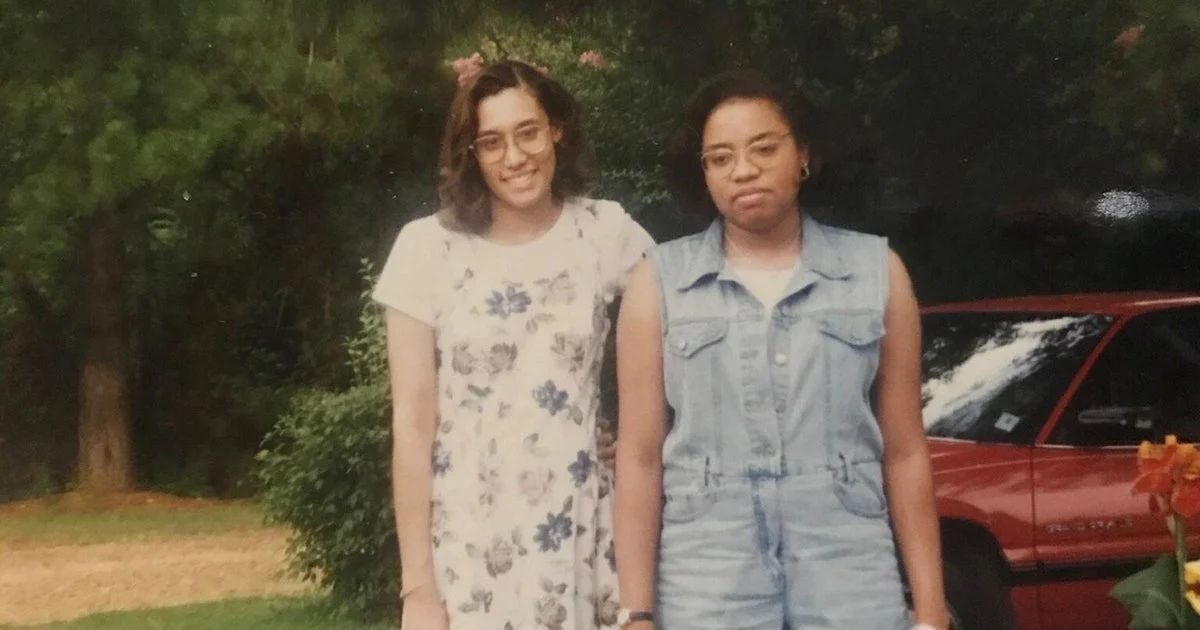
A gas turbine power plant supplying energy to Elon Musk’s data centers in Southaven, Mississippi, has led to the displacement of a Black family that has owned their land for generations. The family describes relentless noise pollution and potential health hazards as reasons for leaving their ancestral property, raising concerns about the impact of infrastructure supporting advanced AI operations.
What Happened
Located on a two-acre parcel in Southaven, near the Tennessee border, the Polk family has owned this land through four generations, acquiring it during a time when people of color were largely barred from property ownership. In 2024, the construction of Musk’s Colossus 1 data center began nearby, with further expansions culminating in multiple data centers by 2026. These facilities are powered by a gas turbine plant directly across from the Polk property.
The power plant emits continuous loud noise—a “constant roaring” likened to an airport with never-ending takeoffs—and produces emissions that residents fear may aggravate asthma and other health issues. This noise and pollution made the land untenable for Krystal Polk and her family, forcing them to move away after decades of residence. Despite efforts by SpaceXAI (formerly xAI) to install sound walls and silencers, residents report minimal relief.
The situation has ignited community protests, including a Safe and Sound Coalition petition with over 1,400 signatures, demanding the shutdown of the plant. The National Association for the Advancement of Colored People (NAACP) sued SpaceXAI and its subsidiary, alleging the plant’s emissions are harmful. The Department of Justice intervened, seeking to dismiss the case, citing national security concerns related to AI development.
Key Facts
The plant comprises 69 temporary gas turbines, scheduled to be replaced by 41 permanent ones under an agreement with the Mississippi Department of Environmental Quality (MDEQ). An independent study by EmPower Analytics Group indicates increased localized air pollution concentrated in predominantly Black communities. MDEQ maintains the plant meets state and federal air quality regulations, but residents and environmental advocates remain skeptical.
SpaceXAI’s investment in the Memphis region—including more than $20 billion in data center projects—has drawn both political support and fierce local opposition. Mississippi Governor Tate Reeves praised the economic opportunities generated, contrasting with affected residents who face environmental and social strain.
Real estate interest surfaced when the Polk family’s land was targeted for acquisition by Cushman & Wakefield, a firm that Polk accused of harassment tactics, later denied by the firm. Polk declined to sell, citing her late father’s wish to retain the property despite uncertainties about its value amid the plant’s presence.
What This Means
This case exemplifies the complex challenges that arise when cutting-edge technology infrastructure intersects with longstanding communities, particularly those historically marginalized. While data centers are crucial for AI advancement and economic development, the physical footprint of their energy supply can disrupt lives through noise, pollution, and social displacement. The Polk family’s experience highlights how environmental justice issues are entwined with the digital economy’s expansion, revealing gaps in protective measures for vulnerable residents.
For the broader public, this situation raises questions about the cost of AI infrastructure beyond its digital impact—extending to health, heritage, and community stability. It underscores the need for stricter environmental oversight, greater community engagement, and equitable planning when deploying large-scale data center projects, ensuring that technological progress does not come at the expense of human wellbeing and civil rights.
Furthermore, the legal battle involving the NAACP and federal agencies illustrates tensions between national security interests tied to AI and legitimate environmental and public health concerns. How such conflicts are resolved may set precedents for future technology-driven infrastructure projects nationwide.
Background
The Polk family’s land has symbolic significance, acquired “before people of color were allowed to have land,” and was once a place for family celebrations and self-sustenance. The first noticeable disruption came with the plant’s noisy operation beginning around 2025, shortly after the initial data center construction. Since then, Musk’s expanding presence in the region has marked a rapid transformation of the local landscape, fueling both economic hope and social distress.
The Bigger Picture
Southaven’s experience is part of a growing trend where data centers’ demand for power leads to controversial utility projects, often situated near lower-income or minority communities. Nationwide, similar disputes over environmental and health impacts reflect broader dialogues on how AI infrastructure development should proceed responsibly. This case contributes to ongoing discussions about how to balance technological innovation with environmental sustainability and social equity.
What Remains Unclear
As of now, the full extent of the health impact on residents near the gas turbine plant has not been conclusively determined. It is unclear how many residents have been formally notified about potential risks or how widespread respiratory or other health problems may be. The pace and effectiveness of implementing quieter and cleaner technology at the plant also remain uncertain.
What Comes Next
Under the agreement with MDEQ, the 69 temporary turbines at the plant will be replaced gradually by 41 permanent turbines over a year. The legal proceedings between the NAACP, SpaceXAI, and federal entities continue, potentially influencing both regulatory oversight and operational practices. Community advocacy led by the Safe and Sound Coalition is expected to press for further action to mitigate noise and pollution.
Sources
This article is based on reporting and publicly available information from the following sources:
Read more US News stories on Goka World News.