
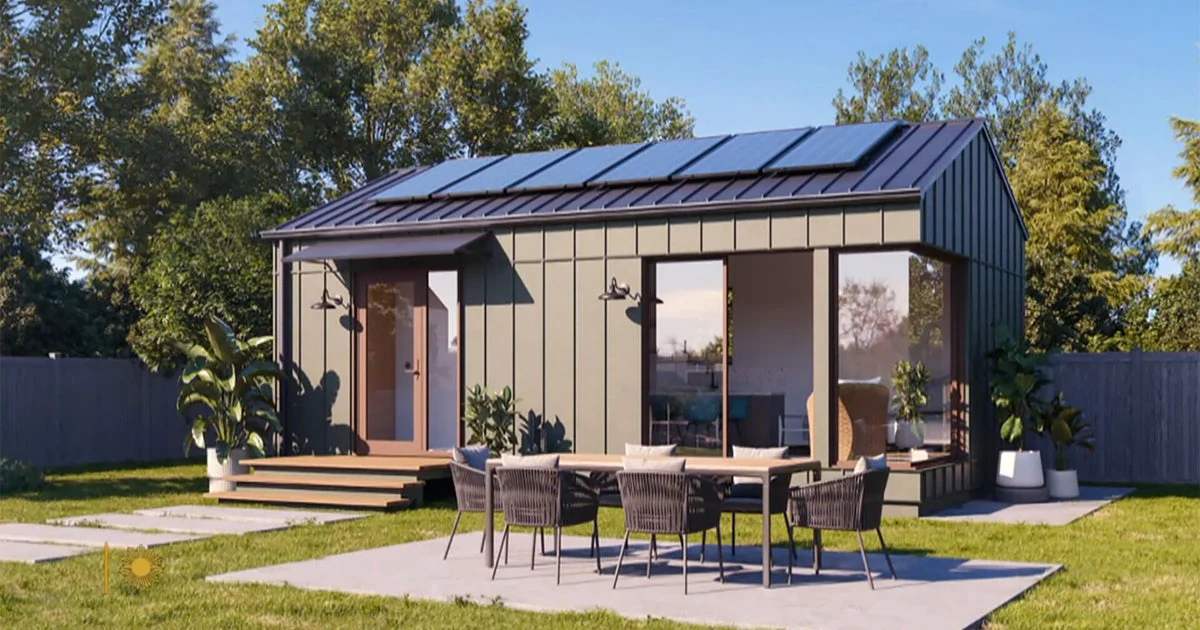
Accessory Dwelling Units (ADUs)—small, fully-functional secondary homes built on the same property as a main residence—have emerged as an important alternative housing option in the Western United States, where wildfires have displaced many residents and intensified housing shortages.
What Happened
Amid escalating wildfire disasters in the West, displaced residents have turned increasingly to ADUs, also known as carriage houses or “granny flats,” located typically in backyards or on the same lot as primary homes. These units provide additional, readily available housing space without requiring new land development. While the concept of ADUs has been around for years, their use has significantly expanded due to urgent housing scarcity paired with rising costs in wildfire-affected areas.
However, homeowners looking to build or convert structures into ADUs face a range of practical constraints and legal barriers that impact availability and affordability. Correspondent Lee Cowan highlighted these challenges in a recent report aired on May 17, 2026, focusing on zoning restrictions, permit processes, and neighborhood opposition that often slow down or limit ADU development.
Key Facts
ADUs are typically small, self-contained housing units equipped with full living amenities and can serve various functions—from short-term rental properties to housing family members displaced by emergencies. Their locations on existing residential properties circumvent the need for new land acquisition, a crucial factor where land and home prices have surged.
The growing role of ADUs aligns with increased wildfire frequency and severity in Western states, which has displaced thousands, intensified local housing shortages, and driven up rents. While this solution offers a quick-to-deploy housing alternative, the permitting and regulatory environment varies widely by municipality, affecting the pace and scale of ADU adoption.
What This Means
The rise of ADUs as emergency and supplementary housing reflects a broader challenge in housing markets—especially in disaster-prone regions, where rebuilding demand often outpaces supply. For homeowners, ADUs provide an opportunity to generate rental income or support displaced relatives, potentially stabilizing household finances amid economic disruptions caused by wildfires.
From a community perspective, ADUs increase housing density in established neighborhoods without major infrastructure investments, helping alleviate regional housing shortages more sustainably. However, the legal and zoning barriers underscore the tension between rapid housing needs and local regulatory frameworks, which often lag behind evolving market demands.
For policymakers and planners, the ADU trend signals the need to revisit and possibly reform laws to streamline permitting and incentivize these structures. Enabling ADUs can be a critical part of a multi-faceted housing strategy that addresses climate-driven displacement and affordability—two of the most pressing issues facing Western states today.
Background
ADUs have been recognized for decades as a potential means to add housing stock without expanding urban sprawl. Traditionally seen as “granny flats” or in-law units, these dwellings have recently gained attention amid housing crises in California, Oregon, and other Western states. Municipalities have started to modify building codes and zoning laws to facilitate ADU construction, though progress is uneven.
Wildfires in recent years have heightened demand for immediate, affordable housing solutions. This urgency has positioned ADUs as a vital stopgap, offering displaced households a quicker path to shelter compared to rebuilding or relocating offsite.
What Remains Unclear
While ADUs hold promise, it is yet to be confirmed how regulatory reforms will progress or how quickly municipalities will adjust policies to better accommodate this housing form. Permit approval times, fee structures, and neighborhood acceptance remain key uncertainties influencing how widely and rapidly ADUs can be implemented.
What Comes Next
Several Western states are in the process of evaluating legislative measures aimed at reducing barriers to ADU development, with some proposing streamlined permitting processes and reduced fees. Future reports and policy decisions will reveal how these initiatives impact housing availability and wildfire recovery efforts.
Sources
This article is based on reporting and publicly available information from the following source:
Read more US News stories on Goka World News.