
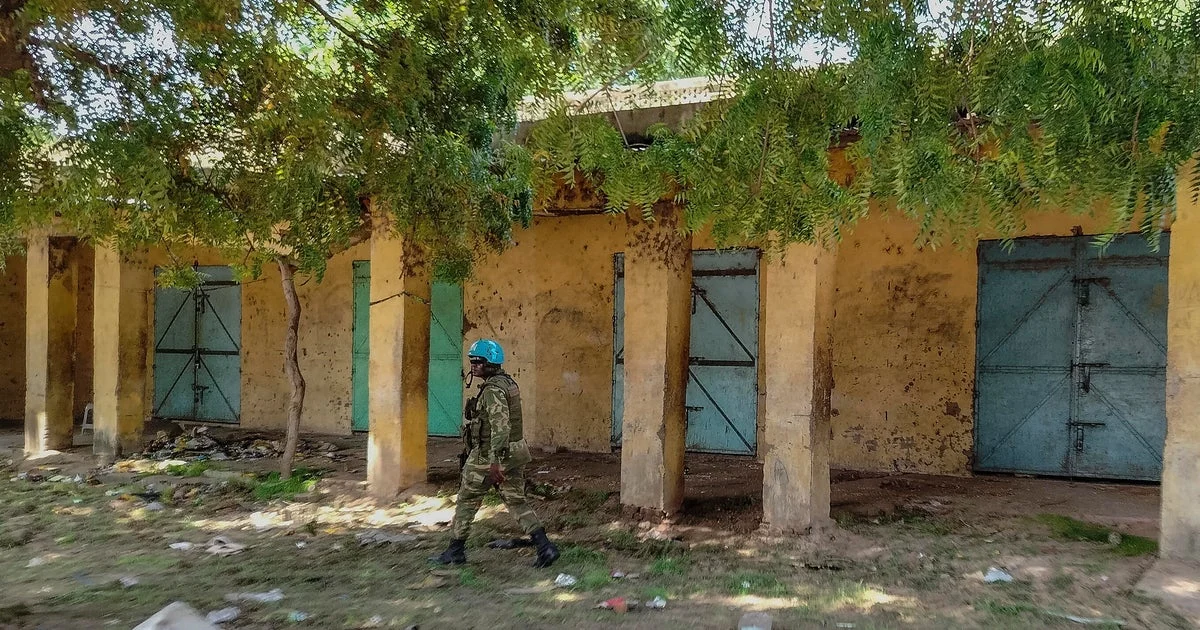
The U.S. Immigration and Customs Enforcement (ICE) agency recently carried out a series of deportation flights that transported over 100 individuals from countries including Afghanistan, Cuba, and Nicaragua to eight African nations. This move marks a significant expansion of the Trump administration’s “third country” deportation policy, which involves sending detainees to countries where they have no prior ties rather than returning them to their home nations.
What Happened
Between August 20 and August 30, 2026, ICE conducted three deportation flights delivering deportees to Burundi, Cameroon, the Central African Republic, Equatorial Guinea, Eswatini, Liberia, Rwanda, and Sierra Leone. None of the individuals deported were nationals of these African countries, according to internal U.S. government documents obtained by CBS News. The deportees included people from Afghanistan, Cuba, Nicaragua, Iran, Nepal, Turkey, Venezuela, and several African detainees sent to countries other than their own.
The deportations stem from international agreements involving more than 30 countries worldwide willing to accept third-country deportees. The Trump administration’s recent strategy has increasingly utilized African countries, some of which suffer from armed conflict, political instability, and human rights abuses, such as the Central African Republic and South Sudan.
Among the deportees was Khalil, a 24-year-old Afghan man previously granted “withholding of removal” by a U.S. immigration judge, which offered protection against returning to Afghanistan but did not prevent his deportation to a third country. His family assisted American forces during the Taliban war, making his deportation especially controversial.
Key Facts
- ICE flights carried more than 100 deportees in total to eight African countries over ten days.
- The African destinations included Burundi, Cameroon, Central African Republic, Equatorial Guinea, Eswatini, Liberia, Rwanda, and Sierra Leone.
- Deportees originated from various countries, including Afghanistan, Cuba, Nicaragua, Iran, Nepal, Turkey, Venezuela, and other African countries.
- Khalil, an Afghan deportee, was granted withholding of removal by a U.S. immigration judge in August 2025 but was still deported to the Central African Republic.
- The Central African Republic is designated a Level 4 travel advisory country by the U.S. State Department due to widespread violence and insecurity.
- Many receiving African nations have been embroiled in conflict and political turmoil and have agreed to accept deportees often with limited oversight.
- The Department of Homeland Security stated that illegal immigrants who refuse to return to their home countries must be sent to a safe third country.
- The State Department declined to comment on the leaked documents or diplomatic details but affirmed its commitment to enforcing immigration policies.
What This Means
The expansion of third-country deportations to African nations indicates a strategic shift in U.S. immigration enforcement under the Trump administration, aiming to circumvent legal protections granted to some deportees by resettling them in third countries rather than their countries of origin. This approach exposes deportees—often seeking refuge from conflict or persecution—to potentially hostile and unstable environments without established community ties or protection networks.
For individuals like Khalil, recognized by U.S. courts as at risk if returned home, deportation to war-torn or unsafe third countries raises serious humanitarian concerns. It also highlights ongoing tension between U.S. immigration enforcement goals and the established international refugee protection framework. The secrecy surrounding the bilateral agreements and the inclusion of individuals with and without criminal records complicate efforts to ensure accountability and safeguard rights.
This policy could have broader implications for U.S. diplomatic relations, as it involves cooperation with countries that are themselves facing significant internal challenges, including armed conflict and governance issues. Furthermore, it puts pressure on organizations monitoring refugee rights and international law as they respond to emerging deportation practices that disrupt traditional asylum and protection channels.
Background
The Trump administration has pursued third-country deportation agreements as part of a wider effort to reduce the number of immigrants remaining in the United States without legal status. Over 30 countries have signed such agreements, providing new destinations for deportees when returns to their home countries are legally or practically complicated. African countries have increasingly become partners in these arrangements despite their domestic challenges. The approach relies on legal interpretations allowing deportation to third countries even when immigration courts grant limited relief such as withholding of removal.
Sources
This article is based on reporting and publicly available information from the following sources:
Read more Politics stories on Goka World News.