
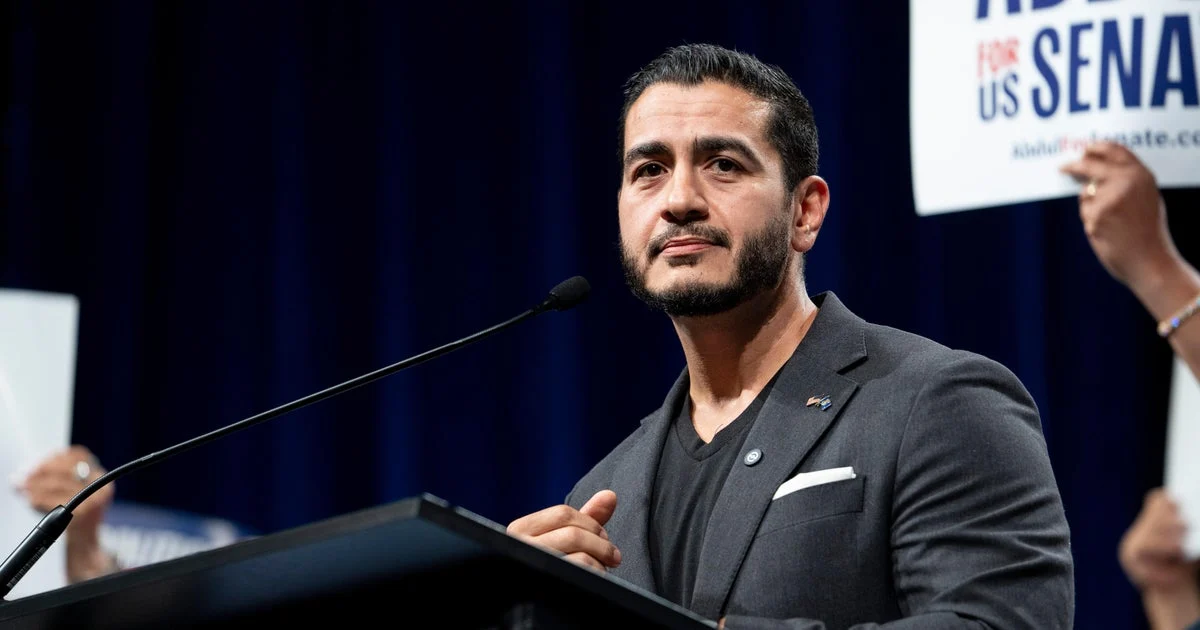
Michigan Senate candidate Abdul El-Sayed is confronting renewed examination over past social media posts about the September 11, 2001 attacks, just weeks before the 25th anniversary of the tragedy. The deleted tweets, which compared the COVID-19 pandemic death toll to the 9/11 casualties, have sparked criticism during his general election campaign against Republican Rep. Mike Rogers.
What Happened
Abdul El-Sayed, the Democratic nominee for the U.S. Senate in Michigan, previously shared social media posts that likened the government’s response to the 9/11 attacks to its handling of the COVID-19 pandemic. Two deleted tweets from 2020, verified by CBS News, urged the public to show the same urgency toward COVID-19 as they did after 9/11. In one tweet, El-Sayed noted the higher COVID-19 death toll compared to 9/11 and called for a “war for public health & against poverty” similar to the post-9/11 War on Terror mobilization.
Another deleted post from 2021 expressed mourning not only for the nearly 3,000 lives lost on Sept. 11 but also for the millions affected by wars in three countries, referencing infrastructure damage and civilian casualties. El-Sayed’s campaign revealed these tweets were removed as part of a broader effort to delete all posts older than July 2023, citing concerns over potential misinterpretation.
Key Facts
El-Sayed’s opponent, Mike Rogers, a former U.S. Representative and ex-military intelligence officer, has seized on the deleted tweets and El-Sayed’s past political associations, including his ties to Hasan Piker, a Twitch streamer who once controversially remarked that “America deserved 9/11” before retracting the statement. Rogers’ campaign falsely claimed El-Sayed himself made that statement, which El-Sayed has denied.
El-Sayed has publicly condemned terrorism and the 9/11 attacks, calling them “craven terrorist attacks” in his 2020 book Healing Politics. In interviews, El-Sayed emphasized that he does not justify 9/11 and criticized the wars fought afterward, questioning their effectiveness in making America safer.
What This Means
El-Sayed’s deleted tweets reflect the challenge candidates face when past social media activity resurfaces during high-stakes campaigns, particularly on sensitive topics like 9/11. His attempt to frame the COVID-19 pandemic response as deserving similar national urgency puts him at risk of alienating moderate voters who view such comparisons as insensitive or politically charged. At the same time, El-Sayed must maintain support within Michigan’s significant Arab American and Muslim communities, where critique of post-9/11 U.S. policies remains a key issue.
This controversy underscores the ongoing political balancing act for progressive candidates: addressing the concerns of their diverse coalitions without giving opponents ammunition to portray them as excessively radical. It also highlights how the legacy of 9/11 continues to shape political discourse more than two decades later, especially in battleground states with diverse populations like Michigan.
What Comes Next
The 25th anniversary of the September 11 attacks, occurring in mid-September 2026, will likely intensify scrutiny of El-Sayed’s past statements as the general election campaign advances. Both campaigns are expected to continue addressing national security and extremism narratives as part of their broader political strategies.
Sources
This article is based on reporting and publicly available information from the following sources:
Read more Politics stories on Goka World News.