
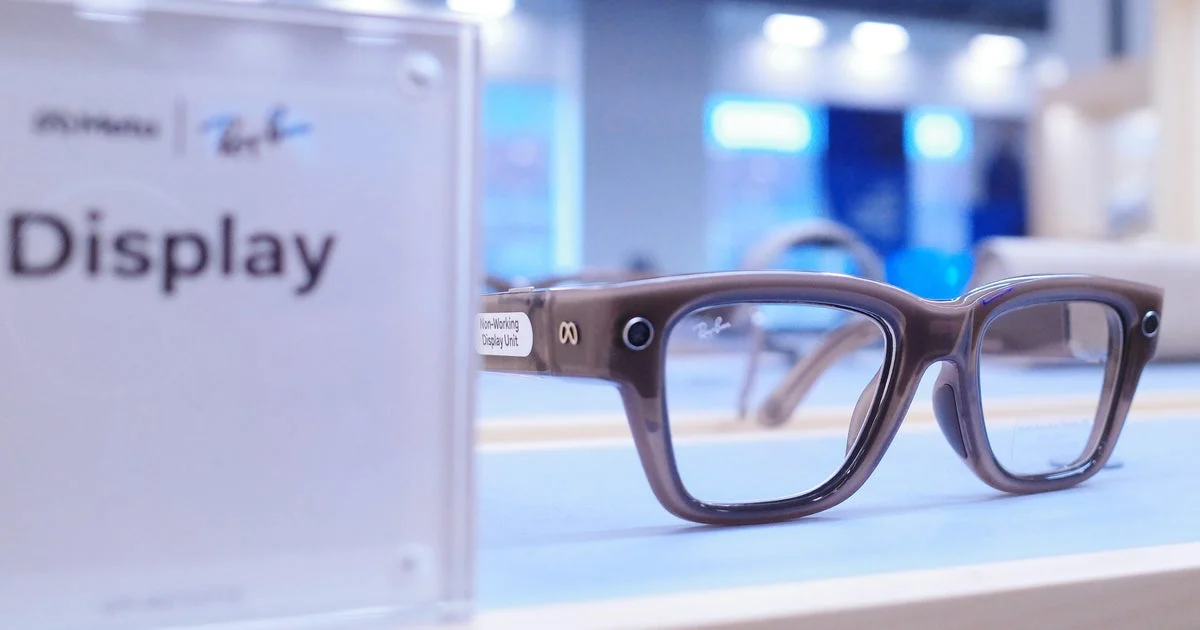
Meta has implemented a significant privacy update to its artificial intelligence-powered glasses after reports emerged of users covertly filming others without their consent. The company confirmed that it now disables the camera recording function if the LED light indicator, which signals active filming, is intentionally covered or tampered with.
What Happened
In August 2026, CBS News reported an incident involving Meta’s AI glasses, where a woman discovered a video of herself on social media filmed without her knowledge or permission by a man wearing the device. This sparked concerns about the glasses’ potential for surreptitious recording. Previously, users could only start recording if the LED light was not physically blocked beforehand, allowing potential circumvention of the alert system.
Meta responded by updating the glasses so that recording is immediately disabled if the LED light is obscured at any point, including after recording has started. According to the company, this enhanced feature deters tampering because services offering LED light manipulation have shut down due to the update.
Key Facts
Meta’s vice president of wearables, Alex Himel, stated that the security enhancements ensure the capture LED reliably signals when photos or videos are being taken. This update comes following independent testing by CBS News, which showed that previous iterations of the disabling mechanism failed to stop recording once the LED was covered during filming.
Additional measures by Meta include removing online content that promotes LED tampering, blocking search terms and hashtags associated with privacy violations, and deleting thousands of harassing posts connected to prank or pickup artist content.
What This Means
The updated tamper-detection functionality in Meta’s AI glasses represents a crucial step forward in protecting individuals’ privacy and preventing unauthorized recordings in public and private settings. The LED light serves as a clear visual cue, alerting bystanders that filming is underway, and automatically shutting off recording if obstructed reinforces this transparency. This reduces the risk of covert surveillance or misuse of wearable technology for intrusive filming.
In the broader context, this update reflects growing scrutiny of wearable AI and camera devices, responding to public concerns about consent and privacy. It sets a precedent for manufacturers to embed stronger anti-tampering controls into connected devices that have the capability to capture audio-visual data, balancing innovation with ethical considerations. For everyday users, it means enhanced safeguards against being unknowingly recorded and greater accountability for those operating such devices.
Background
The controversy around covert recordings with AI-enabled wearable cameras is not new. Prior to Meta’s updates, users could bypass LED alerts by covering the light after initiating recording, undermining the transparency intended to protect privacy. The initial design relied on the assumption that users would not interfere with the indicator, which proved to be a weak point exploited by some.
Meta’s proactive response following publicized incidents and independent tests shows a shift towards reinforcing both technology controls and online moderation to address privacy risks comprehensively.
What Remains Unclear
Meta has not disclosed technical specifics about how the tampering detection works or the exact scope of these updates across all versions of the AI glasses. It is also unclear how widespread the covert recording issue was prior to the fix or the rate at which device users have received the updated firmware.
What Comes Next
Meta has pledged to continue rolling out software updates to improve the reliability of the capture LED as a privacy signal. The company is also increasing efforts to remove related content online that facilitates privacy violations. Future updates and user education campaigns aim to enhance awareness of responsible AI glasses use.
Sources
This article is based on reporting and publicly available information from the following source:
Read more Major Tech Companies stories on Goka World News.