
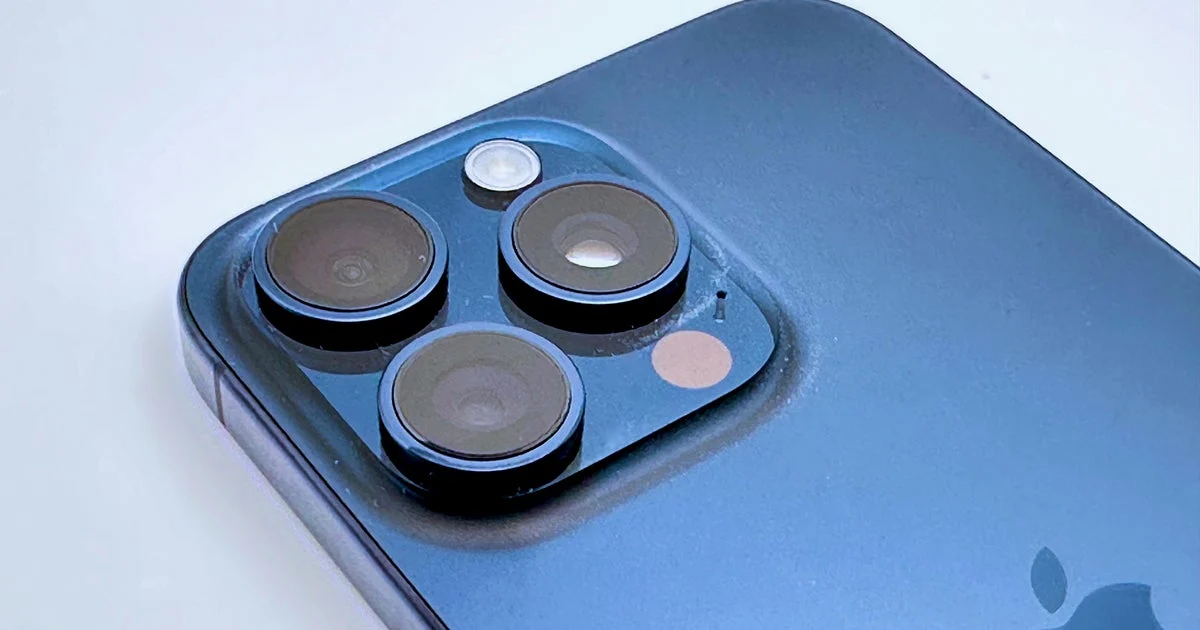
Apple has agreed to a $250 million settlement over claims that it misled customers regarding the capabilities of Siri on iPhone 15 and 16 models, offering eligible device owners up to $95 per phone. The settlement, which represents one of the largest false advertising settlements, allows certain iPhone purchasers to file claims through a dedicated website until December 21, 2026.
What Happened
The settlement stems from a class-action lawsuit alleging Apple misrepresented the Apple Intelligence features of Siri on the iPhone 15 Pro, iPhone 15 Pro Max, and iPhone 16 series. Customers claimed they bought these devices expecting certain Siri functionalities that were not delivered. While Apple denies any liability or wrongdoing, the company agreed to the $250 million settlement fund. The claims window opened with filing instructions available at SmartphoneAISettlement.com, enabling eligible users to request payment for affected devices purchased between June 10, 2024, and March 29, 2025.
Key Facts
To qualify, claimants must be the original purchaser of an eligible iPhone 15 Pro, iPhone 15 Pro Max, or any iPhone 16 model bought within the specified timeframe. The device must not be intended for resale and must be handheld for personal or professional use. Claimants are required to provide personal details and their iPhone’s serial number during the submission process. Payments can be received via PayPal, Venmo, direct deposit, or check, with only one claim permitted per device. Initial payouts start at $25, although the amount may adjust up to $95 depending on the total claims received. A court hearing to approve the settlement is scheduled for February 24, 2027, in San Jose, California, after which payments will be disbursed if no appeals arise.
What This Means
This settlement highlights ongoing concerns about the accuracy of tech companies’ marketing, especially relating to AI-driven features like voice assistants. For affected iPhone users, it offers a tangible but modest compensation for perceived shortcomings in advertised functionality. More broadly, the case underscores the importance for consumers to remain vigilant about the capabilities of emerging AI technologies integrated into everyday devices. It also signals that companies may face increased scrutiny and legal challenges if promotional claims do not match user experience, encouraging better transparency in tech marketing.
Practically, users who purchased qualifying iPhones within the eligible window should verify their eligibility and file claims promptly. This case sets a precedent for similar disputes, reinforcing the need for informed purchasing decisions and possibly influencing how future smart devices represent their AI capabilities.
What Remains Unclear
The settlement materials do not specify which specific Siri features were allegedly misrepresented, nor disclose the final determination of whether all eligible claims will receive the maximum payout. Additionally, the timing of payments depends on court approval and the absence of appeals, which could delay compensation.
What Comes Next
The San Jose district court will hold a hearing on February 24, 2027, to consider whether to approve the settlement. If approved without delay or appeal, qualifying claimants will receive their payments shortly thereafter. Claimants should monitor the official settlement website for updates and ensure timely submission by the December 21, 2026 deadline to secure compensation.
Sources
This article is based on reporting and publicly available information from the following source:
Read more Major Tech Companies stories on Goka World News.