
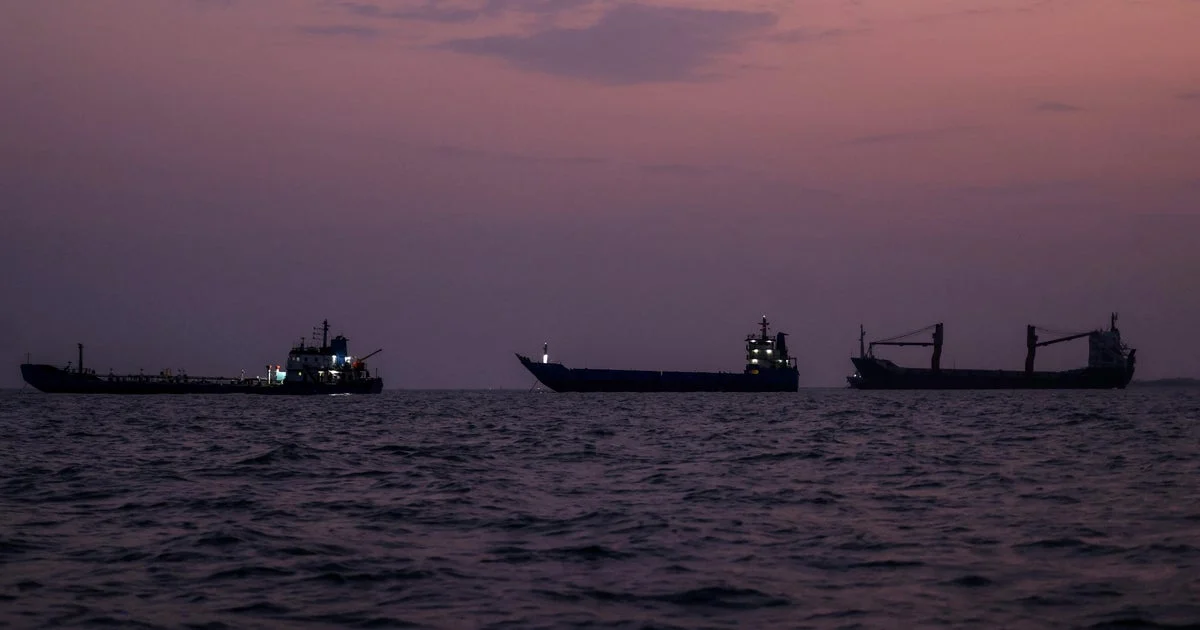
Iran has announced plans to establish a new maritime “exclusion zone” around the Strait of Hormuz in the wake of escalating tensions with the United States. The move comes as oil prices climbed to near seven-week highs, reflecting concerns over regional stability and potential disruptions in one of the world’s most vital oil transit routes.
What Happened
On September 7, 2026, Mohsen Rezaei, the head of Iran’s Supreme National Security Council, revealed that Tehran plans to declare an exclusion zone governing maritime traffic around the Strait of Hormuz. This zone aims to prevent vessels from transiting the waterway without Iranian authorization. Rezaei specified that the forthcoming zone would extend from the current line of the U.S. naval blockade toward the Strait of Hormuz and further into the Persian Gulf. However, precise geographic boundaries and operational details remain unpublished.
The announcement follows a recent escalation in military exchanges: the U.S. Central Command confirmed that it had “permanently disabled” three Iranian oil tankers in the Persian Gulf and Gulf of Oman after Tehran launched ballistic missile attacks on U.S. warships. Iran responded to the U.S. strikes with threats of “more intense and more painful” retaliation. The instability has caused crude oil prices, particularly Brent crude, to rise sharply, briefly touching $97 per barrel—the highest in nearly two months.
Key Facts
The average price of regular gasoline in the United States reached $4.14 per gallon heading into the Labor Day weekend, nearly a dollar higher than the previous year and breaking the Labor Day weekend record set in 2012. Iran’s foreign ministry also issued a warning to South Korea against military involvement near the Strait of Hormuz, cautioning that participation in U.S.-led operations in the region could provoke “serious consequences.”
U.S. Central Command’s statement following the disabling of Iranian tankers included a clear warning, delivered by Adm. Brad Cooper: American forces will not hesitate to defend themselves and may continue targeting Iranian vessels if provocations persist. Iranian Parliament Speaker Mohammad Bagher Ghalibaf underscored Tehran’s willingness to escalate its response, declaring an end to proportionate retaliation and signaling swifter, harsher measures against perceived American aggression.
What This Means
Iran’s stated intention to extend control over vessel movements in the Strait of Hormuz represents a significant geopolitical flashpoint with immediate implications for global energy markets and U.S. national security. The Strait of Hormuz is a critical chokepoint through which about 20% of the world’s petroleum passes. Any attempt by Iran to unilaterally restrict maritime traffic could disrupt oil supplies, push energy prices even higher, and exacerbate volatility in global markets.
For American consumers, the continuing rise in gas prices—already at record highs for the holiday period—could have tangible impacts on household budgets and inflationary pressures. The broader strategic environment also risks further military confrontations, complicating diplomatic efforts to stabilize the region. U.S. allies, particularly those considering closer military cooperation around the Strait, face the dilemma of balancing security commitments against the risk of entanglement in escalating conflict with Iran.
Iran’s warning to South Korea highlights how the dispute may extend beyond bilateral U.S.-Iran tensions, exerting pressure on regional and global partners to navigate carefully amid shifting military alignments. Official statements indicate a tense standstill for now, but the persistence of aggressive rhetoric and recent military strikes suggest the potential for further dangerous escalation.
What Comes Next
Iran has not yet released specific details about the maritime exclusion zone, but Iranian officials have indicated it will be announced in the coming days. U.S. and allied naval forces are likely to monitor the situation closely, responding to any perceived threats to freedom of navigation. Meanwhile, diplomatic channels remain cautious but active, attempting to prevent further escalation.
Sources
This article is based on reporting and publicly available information from the following source:
Read more World News stories on Goka World News.