
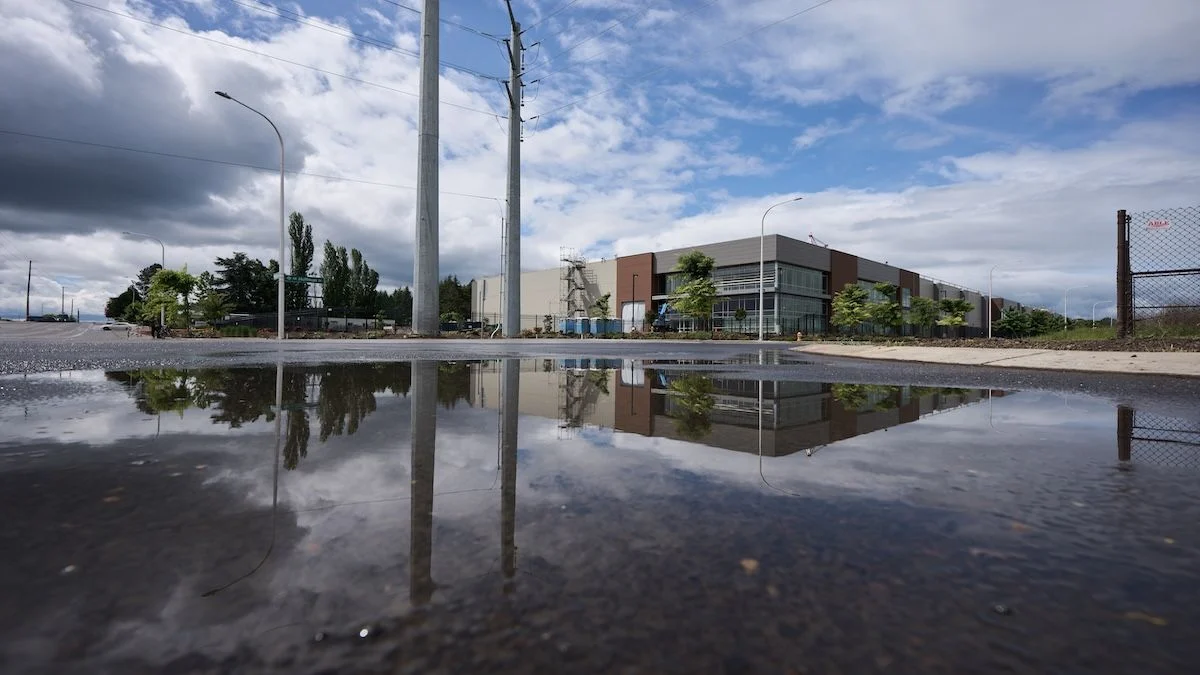
As data center construction surges to support booming AI demand, local opposition across the United States is intensifying, prompting calls for stronger sustainability measures. Despite the environmental challenges posed by data centers’ energy and water consumption, industry insiders continue to prioritize speed and cost over sustainability. However, experts argue that aligning data center development with green practices can reduce costs, mitigate risks, and improve community relations.
What Happened
Between May 2024 and March 2026, $292 billion worth of new data center projects were either canceled or delayed due to local opposition nationwide, with $130 billion of these occurring in the first quarter of 2026 alone. This surge in resistance reflects growing public concern over the environmental footprint of data centers, which are projected to consume up to 12% of U.S. electricity by 2030 and potentially increase water use fivefold by 2028. At the 2026 Data Center Dynamics (DCD) conference in New York, industry representatives acknowledged sustainability efforts such as energy efficiency initiatives and waste heat recovery, though many described sustainability as a secondary priority behind speed and cost. Activists, including Erin Brockovich, have contributed to community mobilization through crowdsourced complaint mapping.
Key Facts
The escalating opposition is occurring in a regulatory environment without a unified national strategy for reducing the environmental impact of data centers. Local moratoriums—such as those imposed in New York and Texas—and statewide pauses reflect increasing legislative activity, with over 200 bills introduced across all states in 2025 targeting data center oversight. Data centers face rising costs from repealed tax incentives, delayed permits, and higher utility prices, notably amidst geopolitical tensions affecting supply chains. Sustainability practices like improving Power Usage Effectiveness (PUE), adopting renewable energy, using advanced cooling technologies, and circular construction materials can lower operational costs and reduce environmental harm. Transparency measures, including mandatory water and energy consumption disclosures, remain proposed but not yet standardized.
What This Means
The data center backlash signals a shift in public expectations around digital infrastructure’s sustainability and community impact. For residents, this growing scrutiny empowers more effective local resistance to developments perceived as environmentally damaging. For developers, it highlights the financial and reputational risks of ignoring sustainability. Embracing green building practices can serve as a strategic advantage, reducing energy expenses and enhancing access to permits. Transparent environmental reporting fosters trust and positions data centers to comply proactively with future regulations—potentially averting costly retrofits or operational disruptions. Beyond environmental metrics, this opposition reflects broader societal skepticism toward the rapid expansion of AI-driven technologies the centers support, emphasizing the need for balanced growth that addresses social and ecological concerns.
Background
The past decade has seen data centers evolve into critical backbone infrastructure powering AI and cloud computing. However, their growing energy appetite and water use have drawn increasing attention. Unlike national climate directives for other industries, data centers largely remain subject to fragmented state and local policies. At the same time, technological advances provide avenues for impact reduction, such as liquid cooling and renewable energy sourcing. This tension between fast-paced expansion and environmental sustainability has fueled the current wave of opposition and legislative activity.
What Comes Next
As government bodies continue to consider new regulations, further clarity on standardized transparency and sustainability requirements is anticipated. Local authorities may expand moratoriums or introduce stricter permitting standards, while public pressure could incentivize voluntary green commitments. Industry stakeholders are expected to watch closely how tax incentives and procurement policies evolve, which could serve as crucial levers for encouraging sustainable practices in upcoming projects.
Sources
This article is based on reporting and publicly available information from the following sources:
Read more Climate & Environment stories on Goka World News.