
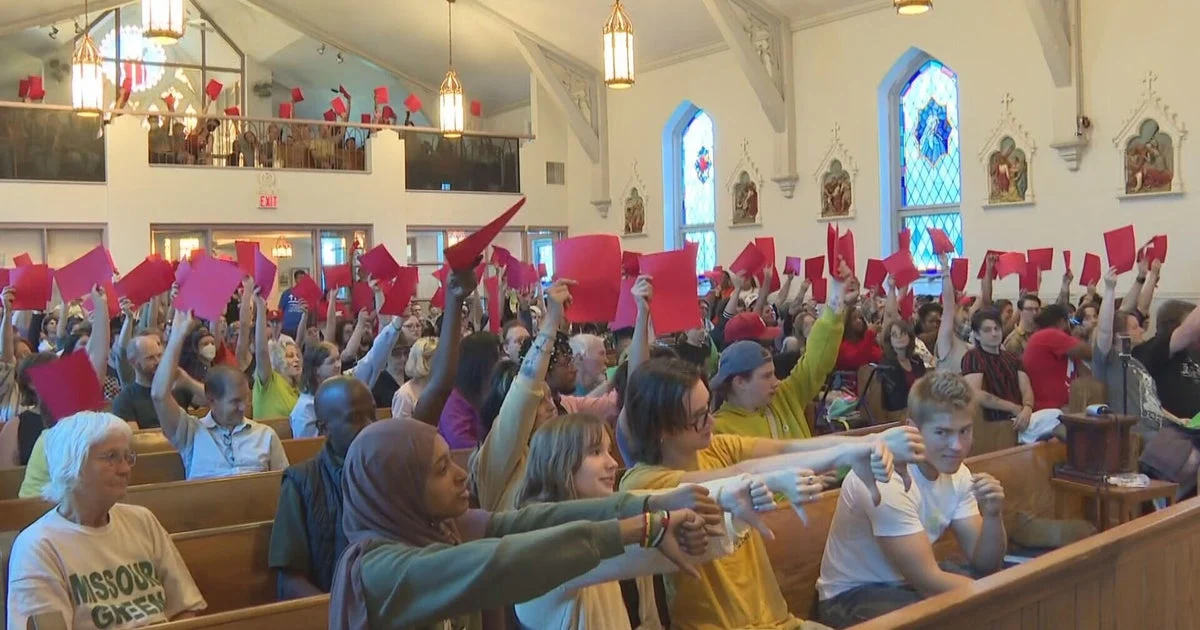
St. Louis has become the latest city confronting community resistance over plans to convert a million square feet of aging warehouse space into a new data center, as technological investments surge globally to support artificial intelligence development. The project, led by TerraWatt CEO David Daneshforooz, promises economic revitalization but faces legal and environmental pushback from local residents and experts worried about its true costs.
What Happened
In late August 2026, TerraWatt announced intentions to develop a data center in St. Louis, repurposing significant underutilized industrial space for large-scale computing operations. The project aims to support AI infrastructure growth, with claims of responsible environmental management including self-funded electricity use and closed-loop water systems. However, on August 28, a lawsuit was filed by Saint Louis University biologist Kasey Fowler-Finn and others seeking to halt the development over concerns about noise pollution, water consumption, and electricity demands. The plaintiffs also highlight the absence of an environmental impact assessment and low-frequency sound study, calling for greater transparency in evaluating the project’s effects.
Key Facts
Territory involved includes roughly one million square feet of former warehouse facilities in St. Louis, Missouri. Developer TerraWatt’s CEO, David Daneshforooz, emphasizes the opportunity to restore decaying infrastructure and generate local investment, including funding for school systems. Meanwhile, more than 70% of Americans are reported by a recent Gallup poll to oppose new data centers in their areas, reflecting widespread apprehension about such developments. The lawsuit specifically targets the lack of environmental studies and concerns over resource usage linked to the data center’s high electrical and water demands.
What This Means
This conflict in St. Louis exemplifies the growing tension between the rapid expansion of data centers needed to underpin AI technologies and the environmental, social, and resource-based concerns of local communities. Data centers consume vast amounts of electricity and water, and their placement in urban or semi-urban areas can strain local infrastructure and ecosystems. The debate encapsulates broader questions about balancing economic benefits and technological progress with responsible environmental stewardship and public health.
For everyday residents, these concerns translate to potential increases in noise pollution, risks to water availability, and uncertain long-term ecological impacts, especially if developers do not conduct thorough impact studies or engage communities transparently. On a policy level, resistance to data center projects could inspire tighter regulatory oversight and push for more sustainable solutions in tech infrastructure planning nationwide.
Background
As AI adoption accelerates globally, the demand for data center capacity has surged, leading tech companies to invest trillions in developing new facilities. However, local opposition has become frequent, as seen in other U.S. cities where residents express fears about environmental degradation, energy consumption, and insufficient community benefits. The St. Louis case adds to this national pattern of friction over where and how data centers should be built.
What Remains Unclear
Exact figures on the data center’s electricity and water consumption are not publicly verified. The timeline for the legal proceedings and whether the developers will conduct the demanded environmental and acoustic studies remains unknown. It is also not yet clear how widespread community notification and consultation have been, or if additional lawsuits or protests will follow.
What Comes Next
The legal actions initiated by the plaintiffs are expected to proceed in the coming months, potentially delaying or reshaping the development. TerraWatt has pledged investments in local infrastructure and education but has yet to publicly release detailed environmental assessments. The outcome of this dispute could influence similar data center proposals and regulatory approaches across the country.
Sources
This article is based on reporting and publicly available information from the following source:
Read more Climate & Environment stories on Goka World News.