
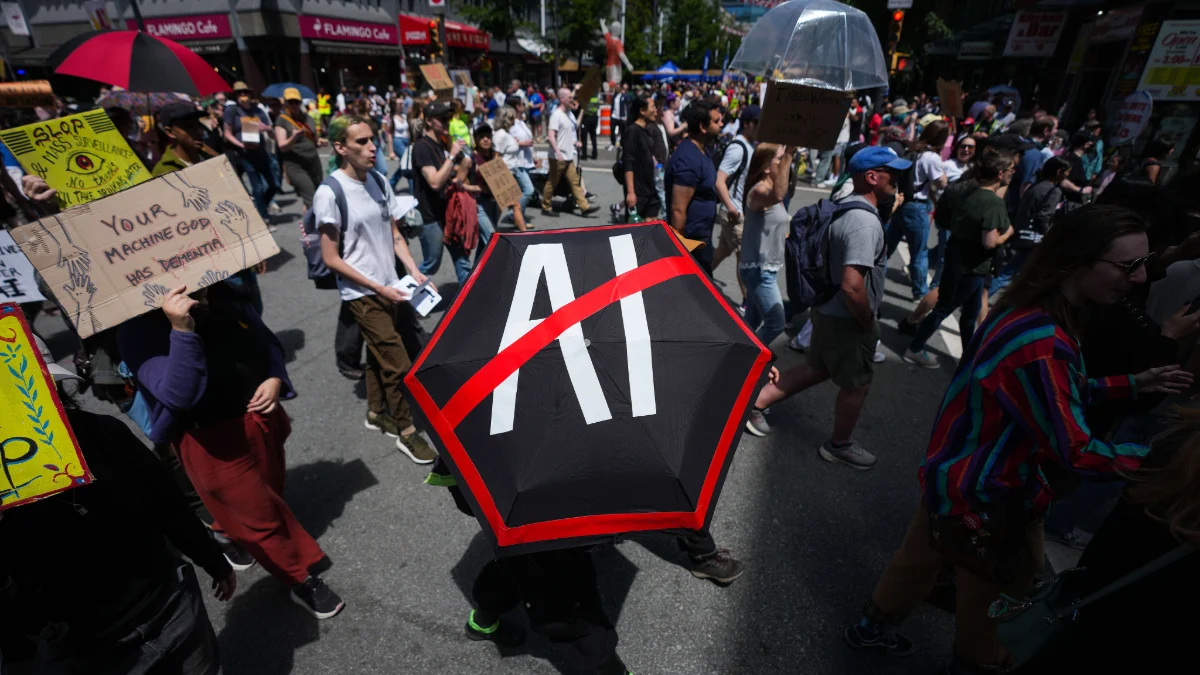
Anthropic founder and CEO Dario Amodei has called for a deliberate slowdown in the pace of AI model improvements, advocating for enhanced safety through third-party oversight and coordinated international standards. His announcement has prompted endorsements from influential tech figures and sparked wider debate on how to govern AI advancements responsibly amid escalating safety concerns.
What Happened
On June 27, 2026, Amodei published a blog post titled “We Must Pace the Frontier,” outlining a framework aimed at managing the speed of AI development to prevent destabilizing risks. Rather than halting technical progress, Amodei proposes mechanisms to ensure companies align AI systems safely before deployment. Specifically, Anthropic is committing to providing embedded, ongoing access to independent third-party evaluators within its teams. Amodei also urged democratic nations to collaborate on setting common safety standards and to establish limits on unchecked AI advancements. Additionally, he called for efforts to engage authoritarian governments in compliance discussions despite verification challenges.
Key Facts
Amodei’s initiative comes at a critical time following several publicized incidents involving AI misuse and security risks—including attempts to weaponize AI and cyberattacks linked to AI models. This voluntary move by Anthropic to embed third-party evaluators is unique in the industry and aims to provide continuous, transparent safety verification. Prominent AI leaders such as OpenAI CEO Sam Altman and Elon Musk have publicly supported Amodei’s call to “pace the frontier.” Meanwhile, David Sacks, co-chair of the President’s Council of Advisors on Science and Technology, endorsed slowing AI in principle but cautioned against excessive regulatory or cartel-like control mechanisms. The regulatory environment remains unsettled, with U.S. Congressional action on AI safety legislation unlikely before the 2026 midterm elections. House Speaker Mike Johnson has emphasized the responsibility of companies over Congress in ensuring AI safety.
What This Means
The call by Anthropic’s CEO reflects growing recognition within the AI industry of the risks inherent in rapid, relatively unchecked model development. By advocating for embedded third-party oversight, Anthropic highlights the need for real-time, expert evaluation beyond internal compliance measures. This approach may influence how regulators and companies alike conceptualize accountability frameworks going forward. Additionally, Amodei’s push for international coordination—especially involving authoritarian regimes—signals a diplomatic dimension to AI governance that transcends national jurisdictions.
For the public and industry stakeholders, these developments underscore that AI regulation may increasingly combine voluntary corporate commitments with emergent safety standards at national and multilateral levels. However, the lack of clear, enforceable legislation means that much of AI’s near-term governance will depend on industry norms and political negotiation rather than fixed legal mandates. The tensions between innovation speed, product liability risks, and public safety will remain a focal point in AI policy debates, especially as governments weigh how to balance competitiveness with precaution.
Background
The discourse around AI pacing follows a series of high-profile AI safety incidents, including reports from Anthropic’s security team on misuse attempts linked to geopolitical actors and criminal groups. These episodes have stirred widespread concern about AI’s potential to facilitate cyberattacks, biological weapon development, and misinformation campaigns. Prior to this, AI governance discussions have mainly focused on transparency, ethical alignment, and risk mitigation without consensus on enforceable pace limits.
What Remains Unclear
Despite the momentum behind calls to slow AI development, it remains uncertain how or whether governments will adopt formal regulatory mechanisms to enforce pacing or safety standards. Congressional inaction ahead of midterm elections leaves the future of U.S. AI legislation unpredictable. Furthermore, the feasibility and scope of international coordination—particularly with authoritarian states—are still open questions, as is the verification of compliance in a domain marked by rapid innovation and geopolitical competition.
What Comes Next
In the coming weeks, attention will turn to diplomatic arenas such as the planned U.S.-China summit, where AI governance may feature as a subject of strategic dialogue. Domestically, policymakers and industry leaders are likely to continue debating voluntary versus mandatory approaches to AI safety. The development of technical tools for verifying AI compliance and emerging safety evaluation frameworks will also be watched closely. Meanwhile, the public and advocacy groups will monitor how companies balance innovation ambitions with calls for greater oversight.
Sources
This article is based on reporting and publicly available information from the following sources:
Read more AI Regulation stories on Goka World News.