
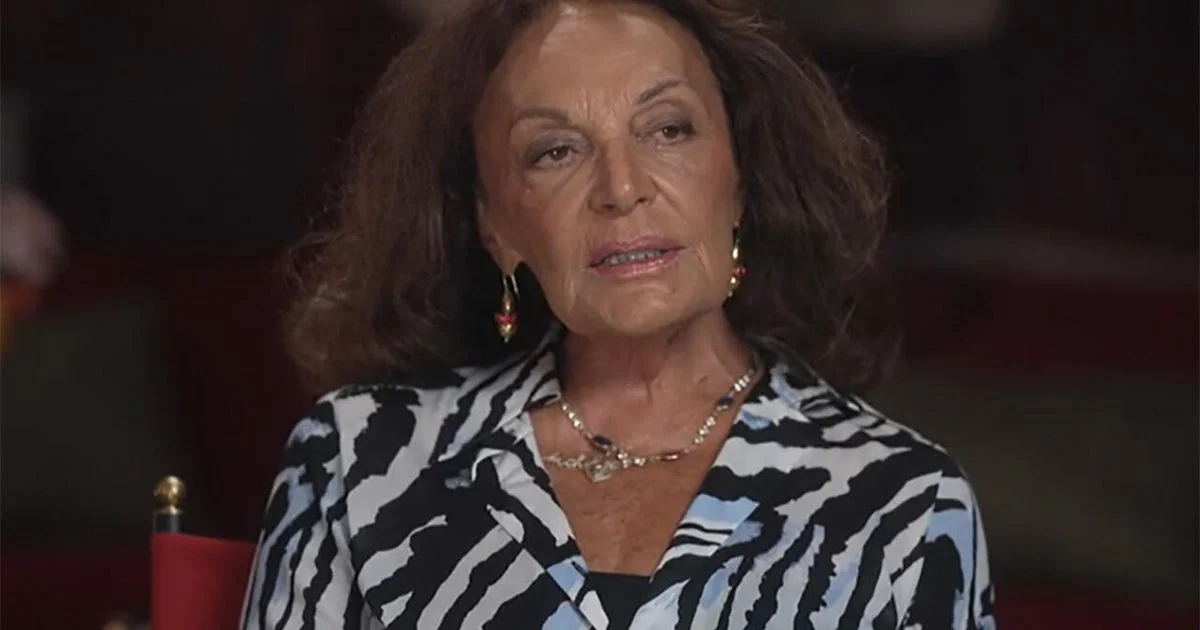
Diane von Furstenberg, the renowned fashion designer credited with creating the iconic wrap dress, reflects on her life, love, and career as she nears 80. The Belgian-born designer, who continues to be an influential figure in fashion, opened up about the personal experiences that shaped her and the legacy she hopes to leave behind.
What Happened
Von Furstenberg, known colloquially as DVF, first gained major recognition in the United States during the 1970s with her wrap dress, which debuted in 1974. The dress became a cultural and commercial phenomenon, selling more than a million pieces by 1976. At 29, she was featured on the cover of Newsweek, hailed as “the most marketable female in fashion since Coco Chanel.”
Now 79, von Furstenberg divides her time between Venice, Italy—where she finds inspiration—and her fashion endeavors in the U.S. Her company has faced challenges over the years but remains active, with a new generation leading its creative direction. Most recently, she hosted the 17th annual DVF Awards in Venice, honoring women making significant societal impacts.
Key Facts
Diane Simone Michele Halfin was born in Brussels on December 31, 1946, to a businessman father and Holocaust survivor mother. She married German-Italian prince Égon von Furstenberg, with whom she had two children before their marriage ended. Von Furstenberg later remarried media executive Barry Diller in 2001.
Her signature fashion creation—the wrap dress—was inspired by ballerina tops and debuted after an unexpected influence from a Watergate news clip featuring Julie Nixon Eisenhower wearing a wrap top. The wrap dress’s success marked a milestone in 1970s American fashion.
Von Furstenberg has spoken openly about her personal life, including past relationships with actors Richard Gere, Warren Beatty, and Ryan O’Neal, as well as her early experience with sexual fluidity. She has consistently emphasized a candid embrace of her life’s complexity.
What This Means
Diane von Furstenberg’s story highlights how a single innovative fashion design can reshape an industry and influence cultural norms around women’s clothing and empowerment. Beyond the commercial success, the wrap dress became a symbol of practicality and confidence for women during a transformative era.
Her openness about personal relationships and identity challenges traditional narratives, providing a broader reflection of changing societal attitudes across decades. As she approaches 80, von Furstenberg’s focus on legacy through the DVF Awards underscores the growing importance of female leadership and activism.
For readers, this profile provides a window into how creative vision and personal courage can intersect to forge a lasting impact, both in fashion and societal values.
Background
Diane von Furstenberg’s mother survived a Nazi death camp, a profound family history that shaped her perspective on resilience and life. She first made waves in fashion during the 1970s—a period of cultural upheaval—and married into European nobility before establishing herself as a distinct American fashion icon.
The brand that bears her initials has maintained relevance through fluctuating fashion trends and market dynamics by evolving its creative leadership while honoring her original vision.
What Comes Next
Von Furstenberg will celebrate her 80th birthday on New Year’s Eve, an event she contemplates with sensitivity about aging and mortality. She has not announced specific new projects but continues to participate actively in her fashion brand and philanthropic efforts through the DVF Awards.
Sources
This article is based on reporting and publicly available information from the following source:
Read more Business stories on Goka World News.