
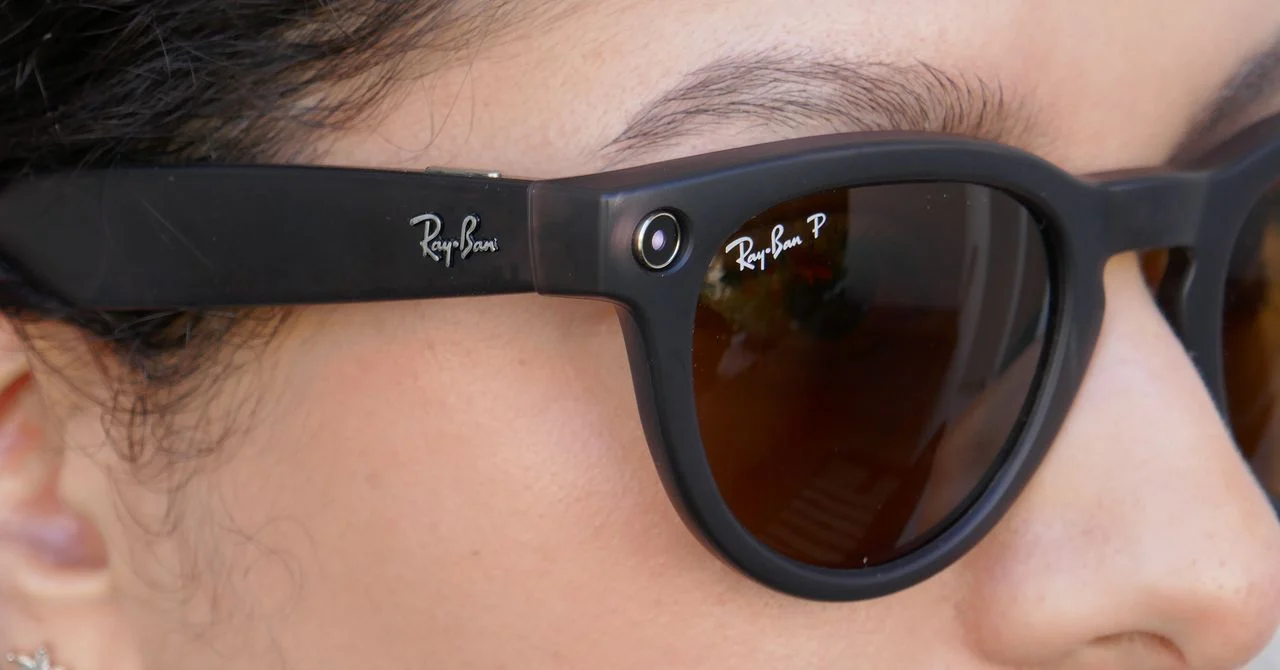
Meta is facing a proposed class action lawsuit accusing the company of illegally using photos from Facebook and Instagram users to train its artificial intelligence models and develop an unreleased face-recognition feature called NameTag. The suit alleges violations of Illinois and California biometric privacy laws by harvesting biometric data without consent.
What Happened
Last week, a group of parents and their children from Illinois and California filed a federal lawsuit in Chicago against Meta Platforms Inc. The complaint charges that Meta extracted biometric identifiers from users’ Facebook and Instagram photos, which it used to train generative AI systems—including Emu and Muse Image—and to build NameTag, a facial recognition system intended for Meta’s smart glasses. NameTag’s underlying code was reportedly embedded secretly in Meta’s glasses AI companion app, downloaded more than 50 million times, though the feature itself was not activated for users.
The lawsuit, representing a nationwide class of Facebook and Instagram users whose images may have been harvested since September 2021, contends that Meta violated the Illinois Biometric Information Privacy Act (BIPA) and California privacy laws by capturing facial biometrics without user notification or permission. Plaintiffs seek statutory damages of $5,000 per intentional violation and $1,000 per negligent violation under Illinois law, plus additional relief under California law.
Meta acknowledged earlier reports of the NameTag feature but denied building a “central face database,” while refusing to clarify how the biometric data for NameTag would be stored or whether the system would require opt-in consent. In June 2026, WIRED revealed the app’s embedded facial recognition code, stirring further scrutiny before Meta later removed it.
Key Facts
Meta Platforms Inc., owner of Facebook and Instagram, is accused of illegally collecting biometric information without consent for AI development and facial recognition features.
The lawsuit covers two major AI systems, Emu and Muse Image, which Meta has stated were trained on large volumes of Facebook and Instagram images and text. Emu’s training utilized Meta’s “data advantage” from these social platforms, while Muse Image faced criticism for allowing image generation from public Instagram accounts before the feature was removed.
The NameTag system was embedded in Meta’s smart glasses AI companion app downloaded over 50 million times, designed to generate biometric faceprints and match them against a database on the user’s device, which could receive updates from Meta.
The plaintiffs include individuals from Illinois and California as well as a proposed class nationwide, estimated in the millions, targeting images uploaded or submitted through prompts since September 2021.
Meta has previously faced related legal actions, including a $650 million settlement in 2020 over an earlier face-recognition system and a $1.4 billion settlement in 2024 in Texas for biometric data collection violations.
What This Means
This lawsuit highlights increasing legal scrutiny around the use of personal biometric data by major technology companies, especially in the context of AI training and facial recognition features. If successful, the case could force Meta and similar firms to adopt stricter transparency and consent mechanisms when collecting biometric information from social media imagery.
For users, this raises critical questions about the privacy of their digital identities and how images shared on popular platforms may be exploited beyond intended purposes. The lawsuit also underscores a broader clash between innovation in AI technologies and evolving legal frameworks designed to protect individual privacy.
From an industry perspective, the legal action may prompt companies to reevaluate data harvesting practices, balancing the advantages of proprietary datasets against compliance risks and public backlash. The controversy surrounding NameTag specifically illustrates consumer sensitivities around biometric surveillance embedded in wearable technology.
Background
Meta has a well-documented history of disputes over biometric data use. In 2020, the company settled a class action for $650 million concerning an earlier facial recognition system and announced the shutdown of that technology in 2021, deleting over a billion faceprints. The following year, Meta settled with Texas for $1.4 billion over biometric data collection allegations.
The current lawsuit links to longstanding privacy concerns, citing internal communications and reporting that Meta developed facial recognition features capable of identifying individuals based on social media images without explicit user approvals.
What Remains Unclear
The lawsuit acknowledges that Meta has not publicly disclosed the full scope or specifics of images used to generate biometric data for NameTag or AI training. Details on how Meta retains or updates biometric faceprints also remain proprietary and undisclosed.
Meta has not confirmed whether NameTag will be offered to consumers or how it would handle opt-in consent if launched. Official decisions on the future of the technology remain pending.
What Comes Next
The federal case is at the initial litigation stage. Plaintiffs seek statutory damages as well as injunctive relief to prevent further unauthorized biometric data use. Meta’s response and subsequent court proceedings will clarify whether the company must change data practices or face penalties.
Sources
This article is based on reporting and publicly available information from the following source:
Read more AI Regulation stories on Goka World News.