
President Donald Trump announced on September 17 that he faces a “big decision” about whether to launch a significant military assault aimed at “annihilating” Iran’s regime. His statement came amid escalating tensions in the Persian Gulf, highlighted by attacks on two ships in the Strait of Hormuz, a critical global shipping lane. The strikes have further complicated diplomatic and military relations in the region as the U.S. prepares to meet with Gulf leaders next week.
What Happened
On Friday, a U.K. naval agency reported a tanker in the Strait of Hormuz was hit by an unknown projectile, causing a fire that has since been extinguished. The crew was unharmed, but the environmental impact remains unclear. This incident followed earlier reports of another vessel coming under attack in the vital waterway. Iran claims to have struck a ship it accused of “illegal crossing” through the strait, a claim that further inflames the already volatile situation.
Meanwhile, President Trump told Axios on September 17 that he is weighing a “big decision” on whether to undertake a major military strike to “annihilate” the Iranian regime. He conveyed the gravity of the situation ahead of a scheduled meeting with Persian Gulf leaders on the sidelines of the U.N. General Assembly. Trump indicated that any outcome was possible, emphasizing the uncertainty surrounding the decision.
Key Facts
The incidents in the Strait of Hormuz occurred shortly before Trump’s comments and have intensified U.S.-Iran confrontation. The U.K. Maritime Trade Operations center confirmed the attack on the tanker but did not identify the culprit or type of projectile.
The U.N.-commissioned panel of human rights experts recently indicated there are “reasonable grounds” to believe U.S. strikes on Iran early in the conflict could constitute war crimes.
Additionally, the U.S. State Department announced a reward of up to $15 million for information disrupting the financial networks of Iran’s Islamic Revolutionary Guard Corps and its elite Quds Force, underscoring the broad scope of U.S. measures targeting Iran.
Diplomatic tensions extend with Saudi Arabia temporarily halting crude oil deliveries to European and Indian customers following a drone attack on its key East-West pipeline. This pipeline allows Saudi oil exports to bypass the Strait of Hormuz, which Iran effectively closed off, exacerbating global energy concerns.
What This Means
The attacks on vessels in the Strait of Hormuz dramatically heighten regional instability, signaling potential escalation toward broader conflict. For global markets, disruption to this chokepoint, through which a significant portion of the world’s oil is transported, threatens energy supplies and price volatility. Consumers worldwide may feel the impact through fuel prices and economic uncertainty.
Trump’s public deliberation about “annihilating” the Iranian regime places the United States on a possible path toward intensified military engagement, which could reshape geopolitical alignments in the Middle East. His statements ahead of diplomatic talks suggest a dual approach of pressure and negotiation.
For Gulf nations hosting U.S. forces, this moment underscores their precarious position between Iran and the United States, potentially impacting their security arrangements and economic stability. The situation also underscores the complex challenge facing international diplomacy, balancing acts of military deterrence with the need to avoid full-scale war.
Background
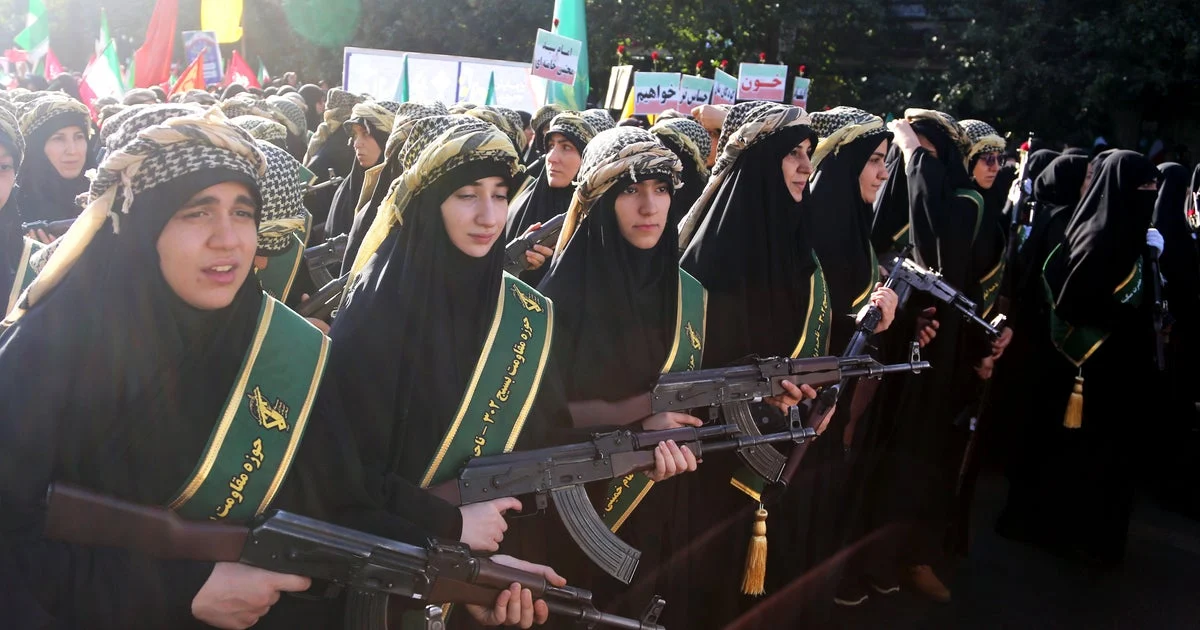
This latest incident follows months of escalating conflict after the U.S. and Israel launched a joint war against Iranian-backed groups in the region in February. Iran has since mobilized large parts of its population for militia training and vowed to resist foreign interference. At the same time, international concerns grew over potential war crimes linked to U.S. military strikes, as flagged by the U.N. panel.
Saudi Arabia, a key U.S. ally, along with Pakistan and Turkey, recently signed defense agreements aimed at collective security, reflecting heightened fears of Iranian proxy attacks by groups such as the Houthis in Yemen.
What Comes Next
President Trump is scheduled to meet with Persian Gulf leaders during the upcoming U.N. General Assembly sessions. These discussions will likely focus on the escalating conflict and regional security cooperation.
The situation in the Strait of Hormuz remains fluid, with close monitoring by international naval agencies and governments. The reopening of Saudi Arabia’s East-West pipeline is expected soon but remains contingent on security and repair progress.
Sources
This article is based on reporting and publicly available information from the following sources:
Read more Politics stories on Goka World News.