
Microorganisms living beneath a former steel manufacturing site in Pittsburgh have evolved to survive and metabolize hazardous industrial pollutants, offering potential insights for improved soil cleanup methods. A research team at Carnegie Mellon University is exploring how these soil bacteria have adapted over decades to degrade toxic compounds, advancing our understanding of natural bioremediation processes.
What Happened
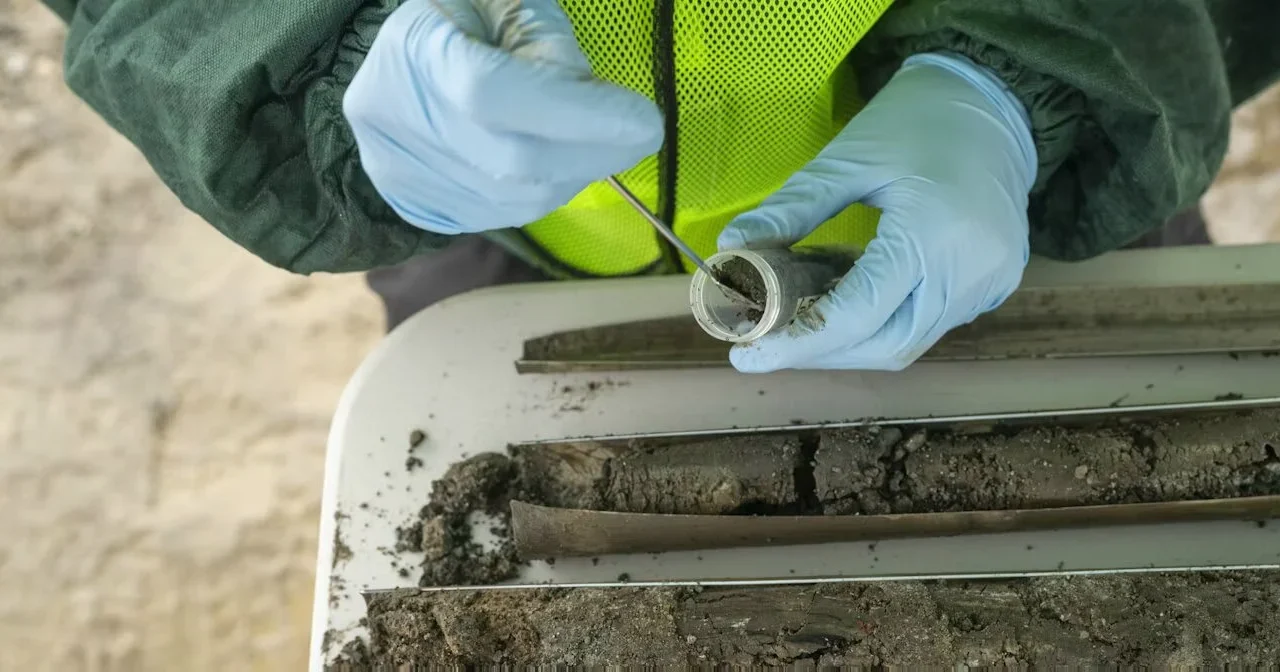
The investigation focuses on Hazelwood Green, a 178-acre brownfield site along Pittsburgh’s Monongahela River, formerly home to the Jones & Laughlin Steel Co. For over a century, the site produced steel but left behind soils contaminated with petroleum hydrocarbons, including the carcinogenic BTEX compounds—benzene, toluene, ethylbenzene, and xylene. Using soil cores collected from various depths across the site, Carnegie Mellon researchers performed metagenomic DNA sequencing to characterize the resident microbial communities and their functional genetic potential related to hydrocarbon degradation.
In laboratory experiments, bacteria isolated from Hazelwood Green were grown in minimal media containing individual BTEX compounds as the sole carbon source. The ability of these microbes to grow in such conditions indicated their capacity to consume and break down these pollutants. To accelerate discovery, the research team partnered with CMU’s AI Science Foundry, utilizing robotic systems to screen thousands of bacterial species simultaneously for their BTEX-degrading capabilities.
Key Facts
The soil microbial analysis revealed that pollution exerted evolutionary pressure, selecting for bacteria with metabolic pathways enabling hydrocarbon degradation. DNA sequencing identified genes associated with BTEX breakdown, and abundance patterns aligned with historical contamination records. Soil samples from various depths retained distinct microbial populations influenced by the pollution legacy.
The robotic screening—in contrast to traditional one-by-one culturing—allows high-throughput assessment of microbial species, helping to refine genome-based predictions of pollutant-degrading potential. Open-source software tools such as “BTEXgenie” assist in scanning bacterial genomes for relevant degradation genes, creating a feedback loop that enhances predictive accuracy. This integrative strategy represents a novel approach to identifying environmental microbes capable of bioremediation.
What This Means
This research sheds light on how microbial communities adapt biologically to long-term industrial pollution, fostering practical applications in environmental cleanup. Understanding which bacteria naturally evolved to thrive on toxic hydrocarbons means remediation efforts can harness these organisms or their metabolic pathways more effectively, potentially reducing reliance on costly physical soil removal or encapsulation techniques.
Bioremediation using in-situ microbes offers a sustainable way to detoxify contaminated soils by transforming pollutants into less harmful substances. The work at Hazelwood Green suggests that many former industrial sites may contain resident microbial populations with untapped bioremediation potential, representing a form of biological innovation evolving beneath urban redevelopment projects.
This approach also demonstrates the value of combining genomic analysis with robotic automation to accelerate discovery in environmental microbiology, helping to predict microbial functions from DNA and recommend candidates for targeted cleanup strategies. As post-industrial regions transition into research and technology centers, their buried microbial ecosystems could play an essential role in addressing environmental legacies.
Background
The concept of bioremediation, where microbes break down pollutants like oil spills and wastewater contaminants, is well established, but effectiveness varies by pollutant and site conditions. The Pittsburgh research builds on decades of industrial pollution records and modern DNA sequencing technologies, bridging environmental history with contemporary microbial ecology and AI-assisted laboratory techniques.
What Comes Next
The research team plans to expand microbial genome screening and refine predictive tools for functional gene identification, aiming to catalog effective pollutant-degrading bacteria comprehensively. Continued integration with CMU’s robotic platforms will further expedite testing and characterization, enabling scalable bioremediation solutions applicable beyond Pittsburgh’s brownfields.
Sources
This article is based on reporting and publicly available information from the following sources:
Read more Science Discoveries stories on Goka World News.