
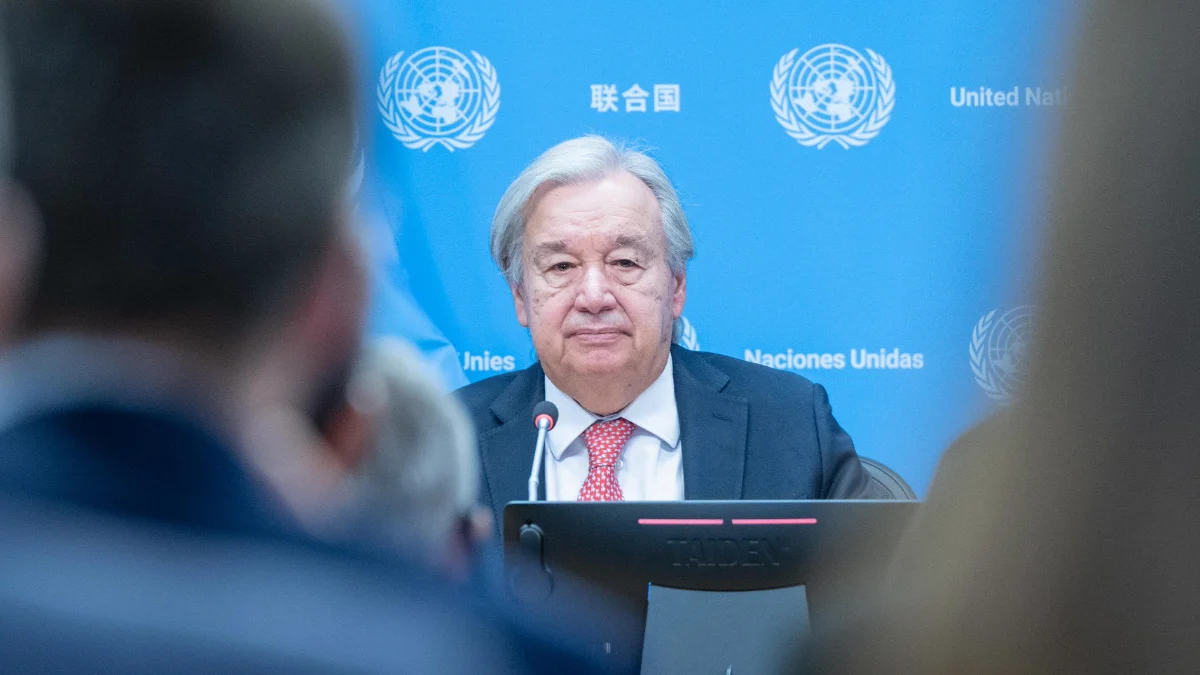
The United Nations is intensifying efforts to coordinate global governance of artificial intelligence, establishing new multilateral bodies and engaging world leaders to address the rapidly evolving risks and opportunities posed by AI technologies. As AI’s transformative impact grows, UN initiatives seek to balance innovation with international oversight and safety through diplomatic frameworks and expert advisory groups.
What Happened
In 2023, UN Secretary-General António Guterres launched a High-level Advisory Body on AI, marking a formal commitment to global AI governance. The following year, all 193 UN member states adopted the Global Digital Compact, pledging enhanced cooperation on digital matters including AI. In August 2025, the UN General Assembly created two new institutions: the Independent International Scientific Panel on AI and the Global Dialogue on AI Governance. These bodies aim to provide evidence-based assessments and nurture consensus on AI regulations across countries. The first Global Dialogue took place in Geneva in July 2026, drawing 3,000 participants from 163 countries along with over 1,000 stakeholder organizations.
Key Facts
The UN’s emerging AI governance architecture is supported by input from major technology companies including Anthropic, Amazon, Google, Microsoft, and Nvidia through the ITU’s AI for Good Global Commission, which advocates for trust, equitable access, and real-world AI applications. The Independent Scientific Panel issued an initial report to guide governments in policy formation. Though the UN’s pace is incremental compared to industry, member states retain the ability to introduce AI resolutions at the General Assembly independently, evidenced by initiatives from the United States and China. Coordination efforts also extend to other multilateral forums such as the OECD and the G7.
What This Means
The UN’s AI governance initiatives signify an important step toward establishing international norms and standards amid a fragmented global AI landscape. By fostering dialogue between governments and frontier AI developers, the UN can help bridge expertise gaps and align regulatory approaches, potentially slowing uncoordinated technology races that heighten safety risks. For citizens and industries worldwide, these efforts could lead to more transparent and inclusive AI deployment, addressing concerns over security, fairness, and human rights. However, meaningful progress depends on the political will of influential governments, notably the United States, to empower the UN beyond a convening role.
The creation of the Independent Scientific Panel and Global Dialogue provides frameworks to monitor AI incidents internationally and share data, potentially enabling more responsive and coordinated governance mechanisms than disparate national regulations. Yet, the complexity of balancing innovation with oversight means the UN’s role is likely to evolve gradually, requiring sustained engagement from all stakeholders.
The Bigger Picture
The UN’s approach to AI governance reflects growing global recognition that the technology’s impacts transcend borders, affecting peace, development, and human rights—core UN mandates. Calls from AI industry leaders to “pace the frontier” of AI development, supported by figures such as Sam Altman and Elon Musk, align with the UN’s objectives to implement safeguards before unchecked advancement. While AI labs acknowledge the need for regulation, they depend on governments to coordinate these efforts internationally. The UN’s convening power thus remains critical to forging a cohesive global response.
What Remains Unclear
The effectiveness and enforcement scope of the newly established UN AI bodies remain to be seen. Review points for these entities are scheduled for 2027 or 2028, creating a window before stronger normative work can begin. It is also uncertain how committed major AI labs will be to actively participating in UN processes beyond issuing calls for cooperation. Political divisions among member states and differing national interests may hamper unified action in the near term.
What Comes Next
Member states may introduce additional AI resolutions at the upcoming General Assembly sessions, while the UN’s established panels and dialogues continue refining frameworks for governance and incident monitoring. Other international forums such as the OECD and G7 are expected to contribute to shaping AI policy consensus and may apply pressure on AI companies. The potential for enhanced UN regulatory authority will be revisited in the designated review periods in 2027 or 2028.
Sources
This article is based on reporting and publicly available information from the following sources:
Read more AI Regulation stories on Goka World News.