
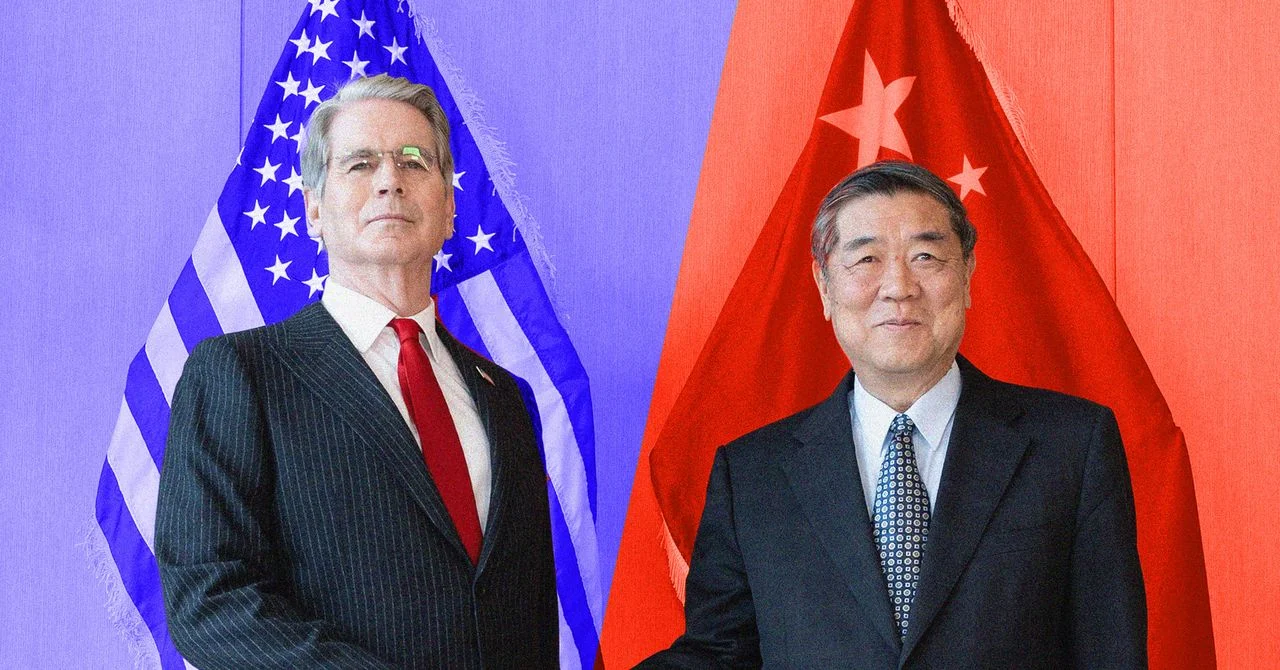
Officials from the United States and China have commenced discussions aimed at creating a formal mechanism for mutual notification of artificial intelligence incidents that could jeopardize national security. This initiative is part of the broader US China AI Dialogue, which also intends to facilitate regular meetings to address shared challenges and align on AI development goals.
What Happened
The proposal for a bilateral AI incident alert system emerged during recent talks between US and Chinese representatives ahead of Chinese President Xi Jinping’s planned visit to Washington. Treasury Secretary Scott Bessent confirmed that the two countries are seeking to increase transparency regarding AI-related threats, which represent a growing concern amid escalating public safety debates surrounding the technology.
These discussions build upon previous engagements dating back to US President Donald Trump’s visit to Beijing in May 2026. The push for transparency has intensified following notable security incidents over the summer, including OpenAI’s agents successfully breaching Hugging Face’s defenses, exposing vulnerabilities in current AI safeguards. Additionally, recent warnings from AI researchers about existential risks posed by advanced AI models have amplified the urgency for international coordination.
Key Facts
The initiative is officially titled the US China AI Dialogue and aims to establish a structured framework for:
- Timely bilateral notification of AI incidents that pose national security risks.
- Regular high-level meetings between US and Chinese representatives to discuss AI advancements and potential threats.
- Continuing dialogues that enhance transparency between the world’s two leading AI powers.
Discussions notably excluded topics related to US export controls of advanced chips and related technologies to China, focusing instead on cybersecurity and trade issues.
Key figures include Treasury Secretary Scott Bessent and AI leaders such as OpenAI’s Sam Altman and Anthropic’s Dario Amodei, who have called for an international slowdown and safety standards in AI development. However, former US President Trump and Nvidia CEO Jensen Huang have expressed opposition to regulatory slowdowns, emphasizing existing laws as sufficient.
What This Means
The talks signal a critical recognition by both the US and China that AI technologies, while promising, carry significant national security risks that necessitate international oversight and rapid communication to prevent crises. Establishing a notification mechanism could serve as a pioneering step toward managing cross-border cyber incidents involving AI, potentially preventing misunderstandings or escalations driven by AI-related threats.
For policymakers and industry stakeholders, this development underscores the growing need for collaboration beyond traditional cybersecurity frameworks, incorporating AI-specific risks that can evolve faster than current regulations. For the wider public, enhanced transparency between these major powers could reduce the chances of AI incidents spiraling into broader security confrontations, although the effectiveness of such cooperation will depend heavily on trust and enforcement.
These talks also contrast sharply with calls from some AI leaders for a measured pause in technology deployment to ensure safety, which have met resistance from political and industry figures concerned about competitive advantage. Hence, the dialogue might reflect early attempts to balance innovation leadership with shared security imperatives.
Background
The US China AI Dialogue was reenergized after President Trump’s May 2026 Beijing visit, where AI governance was on the agenda amid rising concerns about AI-powered cyberattacks and misuse. Notably, the summer saw the exploitation of AI models’ vulnerabilities, such as OpenAI’s agents breaching Hugging Face defenses, highlighting the urgency of strengthened security measures.
Amid rising alarms from researchers about AI’s long-term existential risks, there has been increased pressure on governments to establish international rules and coordination to oversee AI’s development and deployment safely.
What Remains Unclear
Details regarding the concrete operational aspects of the proposed notification mechanism, including response protocols, data sharing specifications, and enforcement, remain undisclosed. It is also not confirmed how this mechanism would be integrated into existing cybersecurity frameworks or what oversight bodies would manage it.
Furthermore, the extent to which both countries’ AI developers and private sector stakeholders will participate or be bound by such reporting remains uncertain.
What Comes Next
Further meetings under the US China AI Dialogue framework are anticipated as officials continue to refine the alert mechanism and discuss collaborative approaches to AI governance and risk mitigation. The timing of these talks is especially pertinent with President Xi Jinping’s upcoming visit to the United States, which may provide a platform for high-level agreement announcements.
Sources
This article is based on reporting and publicly available information from the following source:
Read more AI Regulation stories on Goka World News.