
New research from the National Institute for Occupational Safety and Health (NIOSH) reveals that black lung disease rates among coal miners in central Appalachia have reached their highest point in nearly five decades. This finding comes as federal officials indefinitely delay enforcement of a rule designed to reduce miners’ exposure to silica dust, a primary cause of the disease, raising renewed concerns over occupational health protections.
What Happened
In August 2025, NIOSH released a report analyzing health data collected over five years from underground coal miners with 25 or more years of exposure across eastern Kentucky, southwestern Virginia, and West Virginia. The data showed that nearly one-third of these miners tested positive for black lung disease, a significant increase from one in five in 2018 and less than one in ten in 1999. Black lung, or coal workers’ pneumoconiosis, results primarily from inhaling silica and coal dust.
Meanwhile, the Mine Safety and Health Administration (MSHA) announced an indefinite delay in enforcing a rule intended to halve the permissible exposure limit to silica dust in coal mining by aligning it with standards applied in other industries. This rule, initially paused under the Trump administration in 2024, would mandate enhanced ventilation and water spray measures to reduce miners’ exposure to the highly toxic silica dust found in deeper sandstone seams.
Key Facts
NIOSH’s report focused on miners working underground for at least 25 years in central Appalachia, the region with some of the highest historic black lung prevalence. It documented a rise from 20% in 2018 to nearly 33% in 2025. Silica particles, which are about 100 times smaller than grains of sand and roughly 20 times more toxic than coal dust, cause lung tissue damage leading to this debilitating disease.
The delayed rule enforcement stems from industry challenges in meeting the new standards, including the need for personal protective equipment and miner rotation schedules, which miners argue are impractical and can compromise safety and mine operations. The 8th U.S. Circuit Court of Appeals granted an emergency stay of the rule in April 2025, further postponing compliance.
What This Means
The rise in black lung disease, especially among miners with decades underground, signals a public health failure to protect workers from a known occupational hazard. For miners, the disease often brings extreme fatigue, coughing, and respiratory distress that can lead to permanent disability at a relatively young age. The delay in enforcement means that thousands of current miners remain vulnerable to unchecked silica dust exposure.
This epidemic affects not only individuals but entire communities dependent on coal mining jobs. Younger miners developing complicated black lung in their 30s and 40s indicates worsening working conditions and increased health risks. Without prompt regulatory action, more miners risk premature health decline, straining healthcare systems, families, and social safety nets.
These developments highlight tensions between industry concerns about operational feasibility and the urgent need to control a dangerous environmental exposure. Reinforcing silica regulations through engineering controls rather than relying on respirators or job rotation—which many miners find inadequate—remains crucial to preventing new cases and alleviating a decades-long public health crisis in coal mining regions.
Background
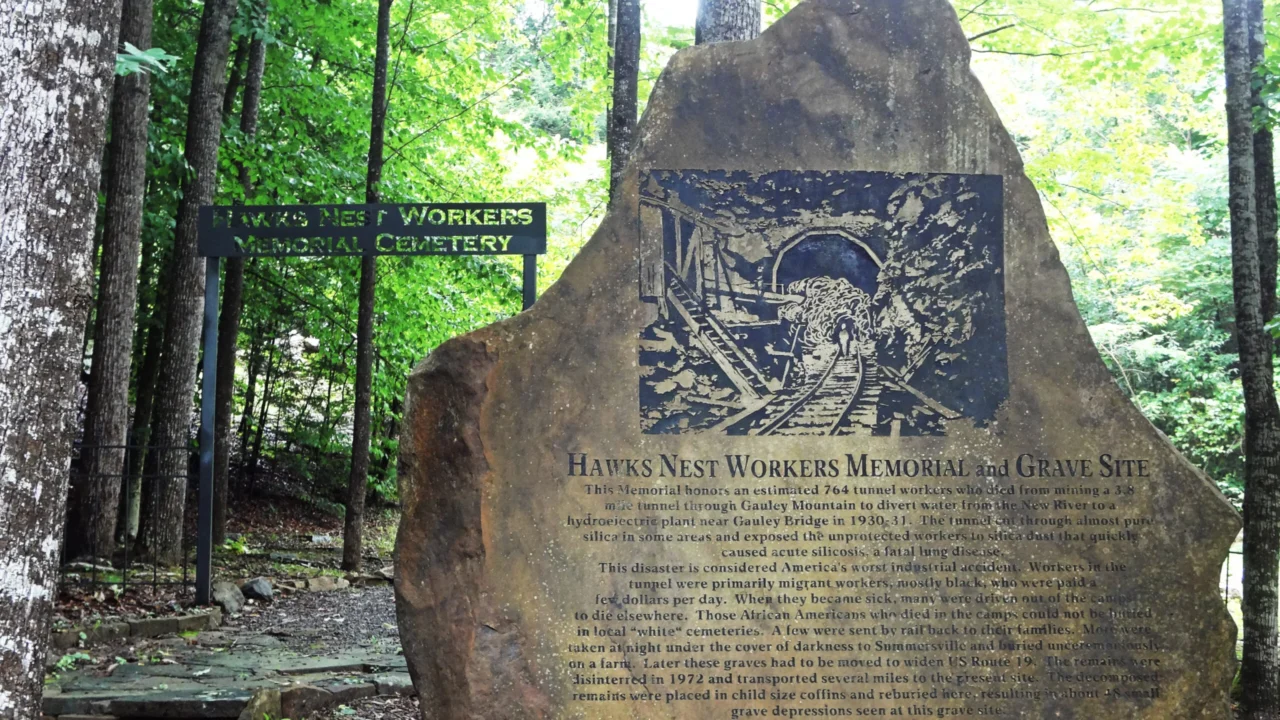
The health risk of silica dust has long been documented, harkening back to the 1930 Hawks Nest Tunnel disaster in West Virginia, where prolonged silica exposure killed over 750 workers. Despite such historical evidence and previous regulation efforts, black lung disease resurged as mining moved into deeper sandstone seams with elevated silica levels. The 2018 NIOSH report marked a sharp uptick in disease incidence, prompting the 2024 silica dust rule aiming to reduce exposure limits.
Analysis
Sam Petsonk, a West Virginia attorney representing coal miners, described the delay as perpetuating “an illegal and lethal status quo” by failing to adequately protect miners. Lisa Emery, director of New River Health’s Breathing Center and chair of the National Coalition of Black Lung and Respiratory Disease Clinics, emphasized the disease’s shift from impacting older miners to younger workers, undermining long-held assumptions about disease progression.
Chris Williamson, head of MSHA under the Biden administration, confirmed the silica standard is “on the books” but acknowledged the agency’s challenge in addressing industry concerns without weakening miner protections.
What Remains Unclear
It is not yet clear if or when the silica dust rule will be fully enforced, as the Labor Department continues regulatory review and rulemaking processes. The long-term trajectory of black lung rates in younger miners and emerging technological solutions to mitigate dust exposure also remain uncertain.
What Comes Next
The Labor Department’s intention to amend the rule, as indicated in its July 2025 regulatory agenda, suggests further regulatory proposals and public comment periods are forthcoming. Meanwhile, miners’ advocates continue to call for swift, robust enforcement of silica dust limits to address what they describe as a preventable occupational disease crisis.
Sources
This article is based on reporting and publicly available information from the following sources:
Read more Health & Public Health stories on Goka World News.