
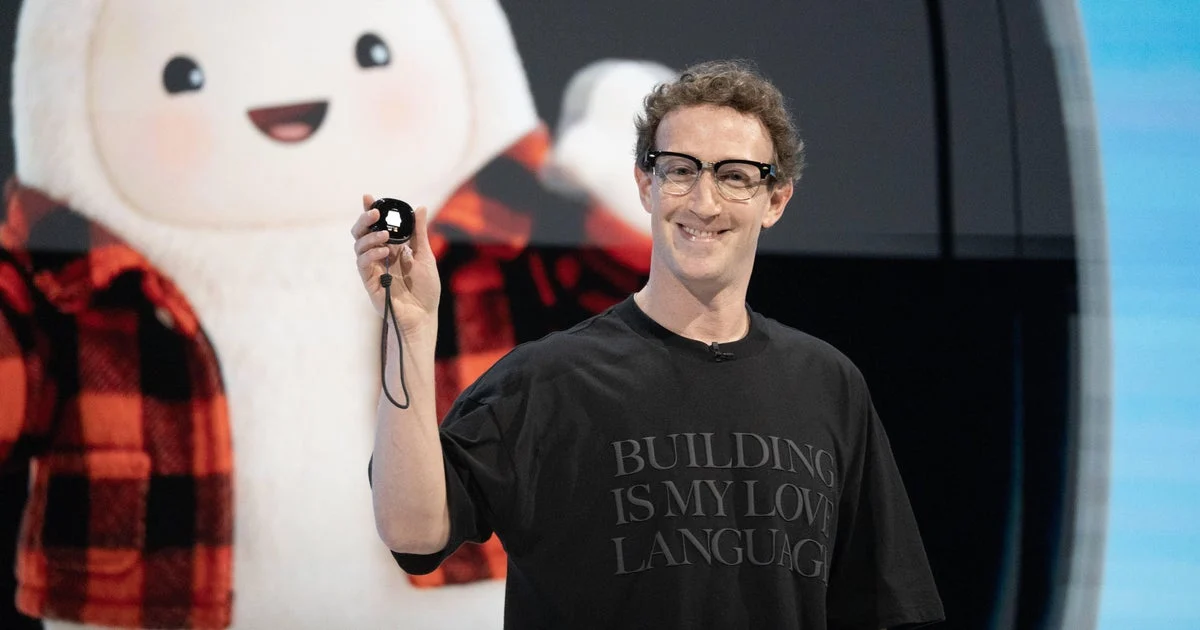
Technology firms such as Meta, Microsoft, and OpenAI are actively introducing a suite of artificial intelligence-powered consumer gadgets designed to integrate AI into everyday life. This wave of new devices ranges from wearable assistants like Meta’s Muse Charm to smart speakers from OpenAI, signaling a significant expansion in AI’s role beyond software into tangible consumer products.
What Happened
At the recent Meta Connect event on September 23, 2026, Meta CEO Mark Zuckerberg unveiled the Muse Charm, a pocket-sized AI assistant featuring a two-inch display and dual cameras. Powered by Meta’s Muse AI agent, the device assists users with tasks such as managing inbox clutter and making reservations, and is designed to be “always available to talk.” Simultaneously, Microsoft launched a secure “access badge” equipped with a touchscreen, side-facing camera, microphone array optimized for audio, and fingerprint security. This wearable device offers employees continuous access to AI workplace assistants.
OpenAI is preparing to enter the smart speaker market with a roughly hockey puck-sized device shaped like a doughnut, priced around $300. This new product aims to compete with established voice assistants such as Amazon Alexa and Google Home. Meanwhile, Snap introduced AI-powered augmented reality glasses called SPECS, featuring visual overlays for maps and recommendations. Meta is also expanding the Muse AI experience to more than 100 styles of AI-enhanced eyewear by year-end, including partnerships with Ray-Ban and Oakley, although some models have faced privacy concerns regarding camera use.
Key Facts
- Meta’s Muse Charm features a 2-inch display with two cameras and integrates the Muse AI personal assistant.
- Microsoft’s “access badge” includes a touchscreen, camera, audio recorders, and fingerprint authentication, aimed at workplace AI assistance.
- OpenAI’s forthcoming smart speaker is priced at approximately $300 and will compete with current market leaders.
- Snap’s SPECS AR glasses provide AI-driven navigation and content directly in the wearer’s field of vision.
- Meta plans to offer over 100 styles of AI glasses by the end of 2026.
- Privacy issues have emerged regarding Meta’s AI glasses, prompting plans for camera-free versions.
- All products emphasize AI integration for enhanced personal and workplace productivity.
What This Means
The introduction of AI-powered gadgets by major tech companies marks a new phase in consumer technology where artificial intelligence moves from software applications into personalized, always-on hardware. These devices aim to streamline tasks, improve productivity, and offer new ways to interact with digital services, making AI more accessible and integrated into daily routines.
However, this rapid expansion raises important questions about privacy and security, especially with devices equipped with cameras, microphones, and continuous data collection capabilities. The reported misuse concerns related to AI glasses underline the need for robust safeguards to prevent unauthorized recording and data breaches. For consumers and enterprises alike, these products will require heightened awareness about data protection and informed consent in using AI-powered wearables.
As AI gadgets proliferate, they also signal accelerating investment in AI-driven user experience, which could reshape how technology permeates homes and workplaces. The competitive landscape sees traditional consumer electronics companies and AI pioneers vying to establish dominant AI-centric ecosystems, driving innovation but also inviting scrutiny over cybersecurity and ethical deployment.
Background
The surge in consumer AI devices follows the rise of generative AI models such as ChatGPT, launched in 2022, which have demonstrated broad capabilities in natural language understanding and task automation. This AI momentum has encouraged technology companies to push beyond software into physical gadgets that embed AI assistance directly into users’ everyday objects.
Meta’s ongoing evolution from a primary focus on the metaverse to incorporating AI assistants into wearables and smart glasses exemplifies the industry’s pivot toward more pragmatic consumer AI applications. Microsoft’s AI integrations reflect expansion into workplace productivity, while OpenAI and Snap extend AI into home and augmented reality contexts.
What Remains Unclear
Specific details on the security measures and data protection protocols embedded in these new AI devices have not been fully disclosed. It remains uncertain how widespread adoption will be, or how manufacturers plan to address potential vulnerabilities exposed by always-on sensors. The degree to which consumers will retain control over their personal data amid ongoing AI interactions is also yet to be clarified.
Sources
This article is based on reporting and publicly available information from the following sources:
Read more Artificial Intelligence stories on Goka World News.