
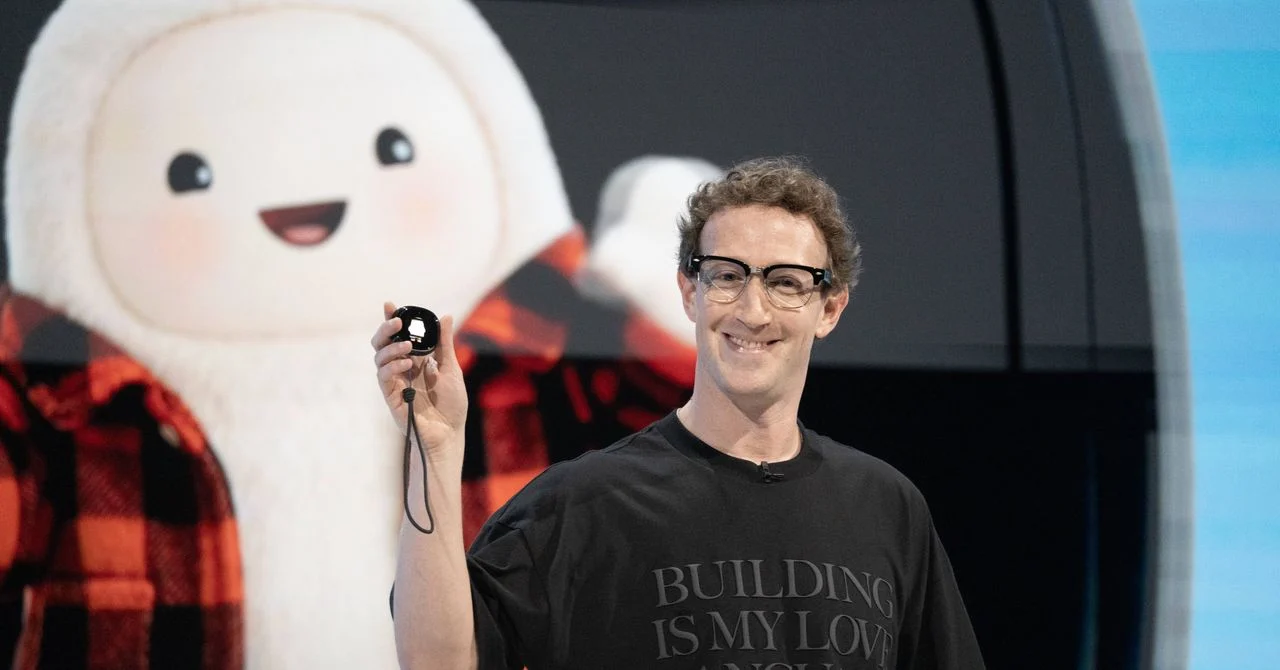
Meta has introduced Muse, an AI assistant restricted to users aged 18 and over, accompanied by a mascot that strikingly resembles a children’s toy. This contrast between the adult-only product and its playful mascot has generated scrutiny from youth advocates and experts, especially with Meta’s upcoming release of a Tamagotchi-style Muse device later this year.
What Happened
At Meta’s recent Meta Connect event, the company unveiled Muse, an AI agent designed to assist adults with digital tasks. Muse quickly rose to the top of app charts following its launch, helped in part by the appeal of its mascot, a cuddly creature named Jolly that users can customize. The mascot’s toy-like appearance contrasts with Muse’s strict age restriction of 18+ and the company’s stated effort to prevent underage use through birthdate verification and additional checks.
Meta also plans to launch a physical Tamagotchi-style device called Muse Charm later in 2026, continuing the mascot-driven branding strategy. The mascot frequently appears in Instagram advertisements, donning various costumes, and has even been featured in memes posted by Meta’s chief AI officer, Alexandr Wang.
Key Facts
Meta’s official designation for the AI product is Muse. Its mascot, Jolly, is designed to be customizable and approachable, developed to feel less intimidating than traditional corporate AI personas. Muse requires users to be 18 years or older, with Meta employing verification systems to block minors. Meta spokesperson Daniel Roberts confirmed these age verification policies in a statement to WIRED.
The Tamagotchi-like Muse Charm device is scheduled for release later in 2026, aiming to extend Muse’s interaction beyond digital platforms. Meta also announced plans for a “confidential” virtual machine later this year, designed to cryptographically prevent Meta from accessing user data, seeking to address some privacy concerns.
Fairplay, a nonprofit advocating against children’s exposure to digital tech, has criticized Muse’s mascot design, highlighting the character’s appeal to very young children, citing the mascot’s similarity to Teletubbies and other preschool-targeted media.
What This Means
Meta’s decision to wrap an adult-oriented AI assistant in a mascot that resembles a child-friendly toy blurs the lines between mature technology products and those designed to attract children. This approach creates a potential risk of younger audiences becoming drawn to a product that is officially off-limits to them, complicating parental and regulatory oversight.
The mascot’s endearing design likely lowers users’ psychological defenses, making the AI tool appear more approachable and less intimidating. This can facilitate broader adoption among adults who might otherwise be wary of AI technology. However, it also raises concerns about user passivity and privacy, as the cute, frictionless interface may cause individuals to engage without fully considering data use implications.
Moreover, the launch of a physical Muse device with nostalgic Tamagotchi-like appeal could intensify these issues by blending virtual AI companionship with tangible, collectible technology, potentially increasing engagement across age groups despite the app’s 18+ restriction.
Background
Muse is Meta’s latest entry into AI assistant technology, joining a tradition of anthropomorphic AI figures such as Microsoft’s Clippy and others in the industry that employ mascot-like characters to build brand affinity. Meta’s prior struggles with social media addiction claims culminated in a $16.7 billion settlement in August 2026, with new restrictions imposed on teen users of Instagram and Facebook. This history adds weight to regulations and advocacy groups’ vigilance around the appeal of technologies like Muse to younger demographics.
Analysis
Marketing experts observe that the mascot’s design taps into established “kawaii” aesthetics, a Japanese cultural trend leveraging cuteness to foster emotional connection with technology. Julian De Freitas, a Harvard marketing associate professor, notes that such designs can soften negative public attitudes towards Meta, especially in light of ongoing criticism regarding addictive social media features.
At the same time, researchers caution about the risks of superficial charm masking deeper concerns. Jathan Sadowski of Monash University warns that cute AI agents may lull users into complacency about privacy and surveillance. Ryan Calo, a tech policy expert, compares reliance on AI agents like Muse to entrusting a tour guide with little transparency about hidden conflicts of interest.
What Remains Unclear
While Meta announced a forthcoming confidential virtual machine intended to secure user data, details about its exact capabilities and implementation timeline remain undisclosed. The company has not clarified how it will enforce age restrictions beyond birthdate checks and detection algorithms, nor how it intends to prevent children from accessing the physical Muse Charm device.
What Comes Next
Meta plans to release the Muse Charm device and the confidential virtual machine version of Muse’s virtual environment later in 2026. The company faces ongoing scrutiny from regulators and advocacy groups as it rolls out these products.
Sources
This article is based on reporting and publicly available information from the following sources:
Read more Artificial Intelligence stories on Goka World News.