
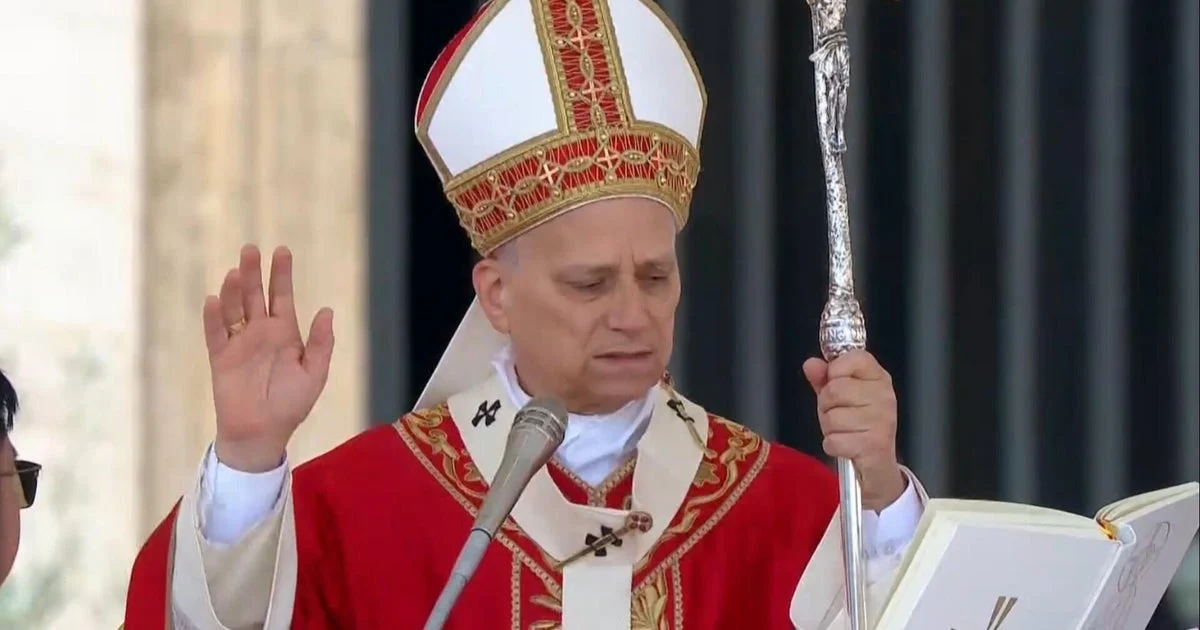
Pope Leo, the first pope born in the United States, observed his first Easter as the leader of the Catholic Church, blending traditional religious rites with a vocal stance on pressing international issues.
The Easter celebration under Pope Leo continued longstanding liturgical customs that define the solemnity and renewal associated with the holiday in the Catholic faith. At the same time, the pope has used his platform to engage on global matters since his election, signaling a papacy that balances reverence for tradition with active commentary on world affairs.
As the first U.S.-born pontiff, Pope Leo’s approach to his inaugural Easter reflects a distinctive voice within the Vatican, merging heritage and contemporary concerns. Observers note that his leadership style involves both spiritual stewardship and outreach on international diplomacy and social justice.
Why it matters
Pope Leo’s first Easter as pope marks a significant moment in the Catholic Church’s evolution, demonstrating how religious leadership can incorporate broader societal issues while maintaining traditional observances.
This Easter service establishes an early precedent for how Pope Leo may shape the Church’s engagement with global political and social challenges in the coming years.
Background
Pope Leo’s election was historic as the first U.S.-born pontiff, raising expectations for a papacy that resonates differently with American Catholics and the global community. The Easter celebration is a central event in the Catholic calendar, commemorating the resurrection of Jesus Christ and reinforcing the Pope’s spiritual authority.
Previous popes have used Easter messages to address themes of peace, humanitarian concerns, and global unity. Following this tradition, Pope Leo’s inaugural Easter is also seen in light of his early public statements on international issues, signaling an active, globally engaged papacy.
Read more World News stories on Goka World News.