
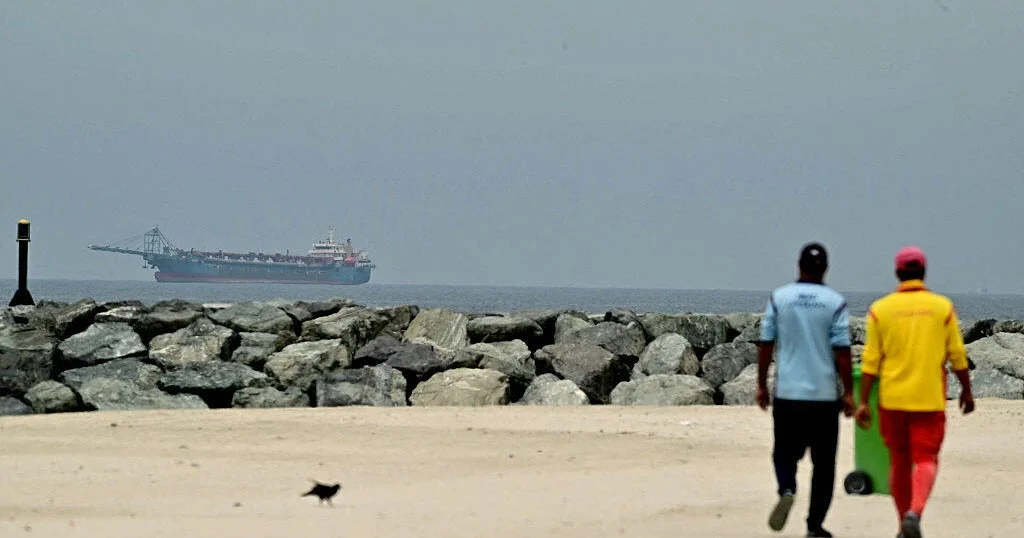
The United States commenced a military blockade of Iranian ports in the Strait of Hormuz at 10 a.m. EDT, targeting a critical maritime chokepoint for oil and other essential goods. The move follows unsuccessful peace negotiations held over the weekend in Islamabad, mediated by Pakistan, where Iran refused to abandon its nuclear ambitions.
Iran condemned the blockade as illegal and tantamount to piracy, warning that no Gulf ports would be secure if its own ports are impeded. Iranian Defense Ministry spokesperson General Reza Talaei-Nik stated that Iran views itself as responsible for the security of the Strait and pledged decisive responses to any foreign interference, including from the U.S. or Israel.
International Reactions and Diplomatic Efforts
Vice President JD Vance, leader of the U.S. delegation in Islamabad, acknowledged ongoing engagement with Iranian officials despite the breakdown of talks, expressing hope for future agreements. Pakistani mediators continue efforts to facilitate resumed negotiations before the current ceasefire expires next week.
In Washington, Vance met with British Deputy Prime Minister David Lammy, who emphasized maintaining the ceasefire and restoring free navigation through the Strait. While the U.K. has deployed additional military planners to U.S. Central Command to explore options for ensuring safe passage, Prime Minister Keir Starmer clarified that Britain would not participate in enforcing the blockade, focusing instead on minesweeping and anti-drone operations.
German Chancellor Friedrich Merz conveyed to Israeli Prime Minister Benjamin Netanyahu that Germany is willing to support freedom of navigation in the Strait of Hormuz but only after a cessation of hostilities and with appropriate international mandates. Merz also expressed deep concerns over ongoing conflicts in the Palestinian territories.
Chinese Foreign Minister Wang Yi, during discussions with a United Arab Emirates envoy, opposed any blockade of the Strait, emphasizing the importance of safeguarding international interests and supporting a political and diplomatic resolution to the conflict.
Economic Impact of the Blockade
The blockade has immediate effects on global energy markets. Brent crude oil prices surged by approximately 7%, reaching around $102 per barrel, up from about $70 before the conflict began. The disruption threatens to exacerbate energy insecurity worldwide. British Prime Minister Keir Starmer and French President Emmanuel Macron are convening a summit aimed at mobilizing international support for a peaceful multinational mission to restore freedom of navigation in the Strait. Macron underscored that any such mission would be strictly defensive and independent from the ongoing conflict.
Former U.S. President Donald Trump commented that the purpose of the blockade is twofold: to pressure Iran back to negotiations and to reduce global energy costs, asserting the U.S. will not allow Iran to “blackmail” the world.
Why it matters
The Strait of Hormuz is a strategic chokepoint through which roughly 20% of the world’s oil passes. A blockade threatens regional and global economic stability by disrupting critical energy supplies. The military action marks a significant escalation in U.S.-Iran tensions amid failed diplomatic efforts and raises the risk of broader conflict affecting global security and trade routes.
Background
The United States and Iran have faced escalating hostilities since early 2026, largely centered on Iran’s nuclear program and regional influence. Previous attempts at peace talks, including the recent Islamabad talks, have failed to reconcile differences, particularly regarding Iran’s refusal to halt nuclear development. The Strait of Hormuz has been a focal point of tension because of its global significance for oil exports and its vulnerability to military escalation.
Read more World News stories on Goka World News.