
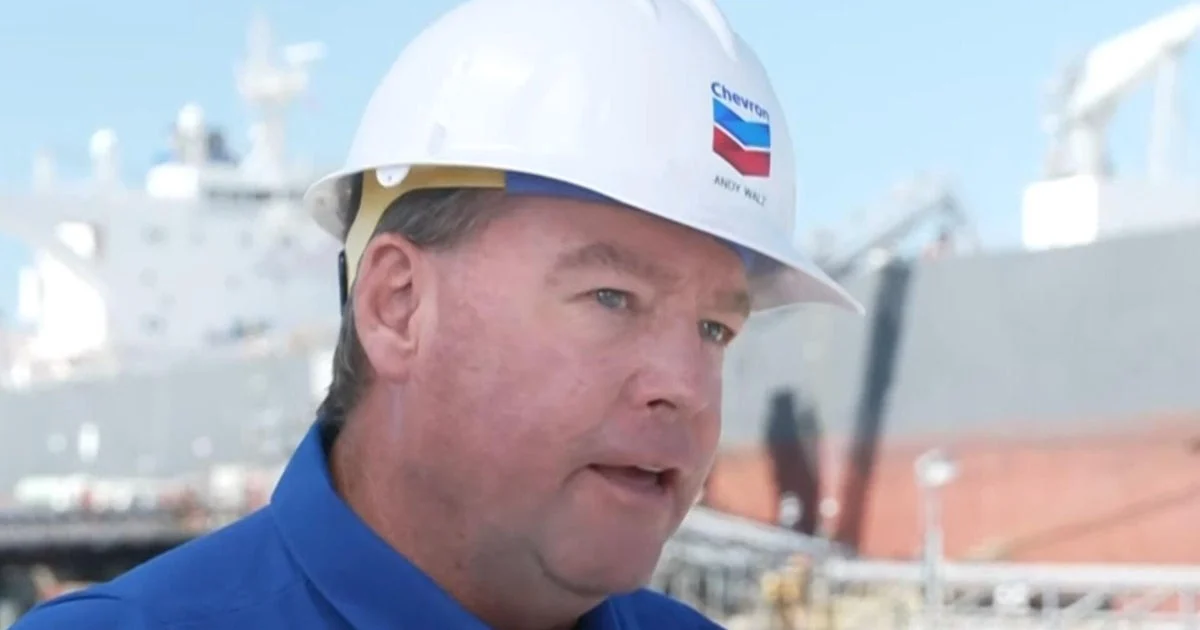
Chevron is bringing Venezuelan crude oil into its supply chain to help ease rising fuel prices caused in part by the conflict involving Iran, according to Andy Walz, Chevron’s president of downstream, midstream, and chemicals.
In an interview with CBS News’ Lilia Luciano, Walz explained that importing Venezuelan crude is a strategy aimed at countering price pressures linked to geopolitical tensions in the Middle East. The Iran conflict has disrupted oil markets, contributing to higher energy costs globally.
Chevron’s Approach to Supply Challenges
Chevron’s move to source Venezuelan crude comes amid broader energy market instability influenced by conflicts and sanctions that limit access to some oil-producing countries. By diversifying its crude supply, Chevron aims to stabilize the availability of refined products and mitigate potential price spikes for consumers.
This approach also reflects ongoing shifts in global oil trading, where companies adjust sourcing to manage geopolitical risks and supply disruptions. Chevron’s position in downstream and midstream operations enables it to adapt supply lines to changing market conditions effectively.
Why it matters
Chevron’s importation of Venezuelan crude underscores how global oil companies respond to geopolitical events to protect supply chains and help control domestic fuel prices. With energy costs being a significant economic factor worldwide, efforts to incorporate alternative crude sources can provide some relief to consumers amid regional conflicts.
Considering how sensitive oil prices are to international tensions, Chevron’s strategy provides insight into industry responses to mitigate volatility. It also highlights the interconnected nature of global oil markets during periods of geopolitical uncertainty.
Read more Business stories on Goka World News.