
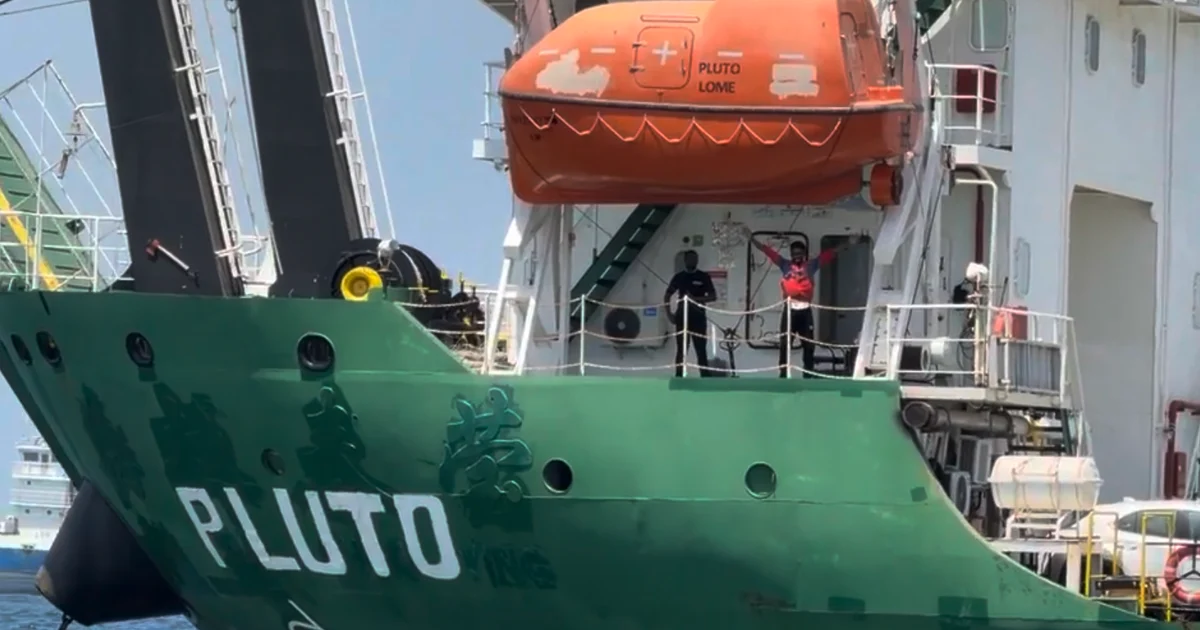
A CBS News crew entered the Strait of Hormuz to witness firsthand the ship congestion caused by recent escalations between the United States and Iran, highlighting the impact on global oil shipping through this strategic waterway.
After weeks of preparation, CBS News boarded a traditional dhow from a small port near the strait, using it as a discreet means of access. The boat’s captain, identified only as Sharif, an experienced local mariner originally from Egypt, agreed to take them out despite the low tourist traffic caused by regional instability.
On the water, the team reported a calm sea and striking coastline, contrasting sharply with the geopolitical tensions below the surface. Dozens of oil tankers and cargo ships were seen idling near one of the narrowest parts of the strait, many waiting due to restricted passage. Visual contact with a police vessel nearby and an exchange of friendly gestures with a ship crew member underscored the ongoing controls.
Recent weeks have seen Iran asserting authority over the strait by reportedly mining parts of the waterway, while the U.S. has enforced a naval blockade targeting shipments in and out of Iranian ports. These actions have disrupted shipping patterns, leading some vessels to delay passage or turn back. The strait handles about 20% of the world’s oil export volume, making even partial disruptions significant for global energy markets.
During the return journey, CBS News received announcements from Iranian and U.S. officials. Iran’s foreign minister declared the strait would be fully reopened to commercial shipping as part of a ceasefire linked to the fighting in Lebanon. However, the U.S. president maintained that pressure, including the blockade, would stay unless broader agreements were reached.
The current ceasefire, brokered by Pakistan, has temporarily eased tensions but does not guarantee lasting peace or normalcy. Although some ships have resumed movement, passage remains heavily regulated, and the risk of renewed conflict persists. Observations aboard the dhow illustrate a snapshot of a fragile status quo in one of the world’s most critical maritime chokepoints.
Why it matters
The Strait of Hormuz is a vital artery for global oil flow, with approximately one-fifth of worldwide oil exports passing through it. Disruptions here can ripple across international markets, affecting energy prices and economic stability. The ongoing U.S.-Iran standoff and intermittent ceasefires create uncertainty that weighs heavily on global supply chains and geopolitical calculations.
Background
The Strait of Hormuz has long been a flashpoint in U.S.-Iran relations, especially regarding control over maritime traffic and energy exports. Recent escalations included U.S. naval blockades and reported Iranian mining activities aimed at enforcing strategic leverage. The volatility on and near the strait reflects broader tensions in the Middle East, involving multiple regional conflicts and international diplomatic efforts to prevent further escalation.
Read more World News stories on Goka World News.