
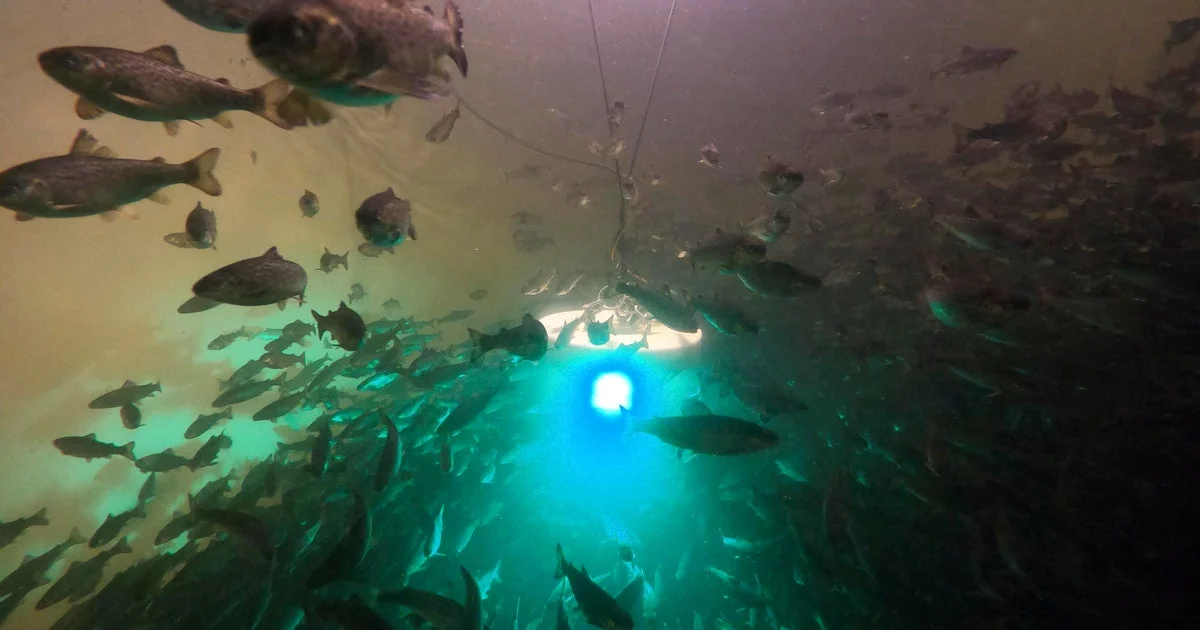
A recent study by scientists from Griffith University in Australia and the Swedish University of Agricultural Sciences found that wild Atlantic salmon exposed to cocaine in their natural habitats swim almost twice as far as those not exposed. The research highlights the environmental impact of illicit drugs contaminating waterways.
Researchers captured 105 wild Atlantic salmon in Sweden’s Lake Vättern and exposed them to cocaine and benzoylecgonine, a metabolite produced when cocaine is processed in the liver. They then tracked the fish’s movements, discovering that those exposed to cocaine traveled 1.9 times farther on average per week compared to unexposed salmon. Fish exposed to the metabolite also swam an additional 7.6 miles within the same period.
Marcus Michelangeli, co-author of the study and researcher at Griffith University’s Australian Rivers Institute, emphasized the seriousness of these behavioral changes. “Any unnatural change in animal behavior is a concern,” Michelangeli said, noting that concentrations of cocaine and other pharmaceuticals in waterways are increasing worldwide due to human drug consumption.
Associate Professor Michael Bertram from the Swedish University of Agricultural Sciences added that the findings demonstrate the need to upgrade wastewater treatment and increase environmental monitoring. “Our study shows that drugs are not only a societal issue, but also a concrete environmental challenge,” Bertram stated.
Why it matters
The presence of cocaine and its metabolites in natural waters can significantly alter the behavior of aquatic species like salmon, disrupting ecosystem dynamics. Such changes may affect fish migration, feeding, and reproduction, posing risks to biodiversity. The study underscores a growing environmental threat posed by pharmaceutical and illicit drug pollution, highlighting a need for improved water treatment infrastructures to protect wildlife.
Background
Cocaine use has been rising globally, with the United Nations estimating that about 25 million people used the stimulant in 2023. Traces of cocaine and other pharmaceuticals have been detected increasingly in rivers, lakes, and oceans. Previous research has identified similar drug contamination in marine species, including sharks in the Bahamas and Brazil, where caffeine, painkillers, and cocaine were found in their systems, illustrating the widespread nature of this pollution.
This study contributes to growing evidence of how human pharmaceuticals and illicit substances enter and affect aquatic ecosystems, prompting calls for more stringent environmental protections and wastewater management.
Read more Science Discoveries stories on Goka World News.