
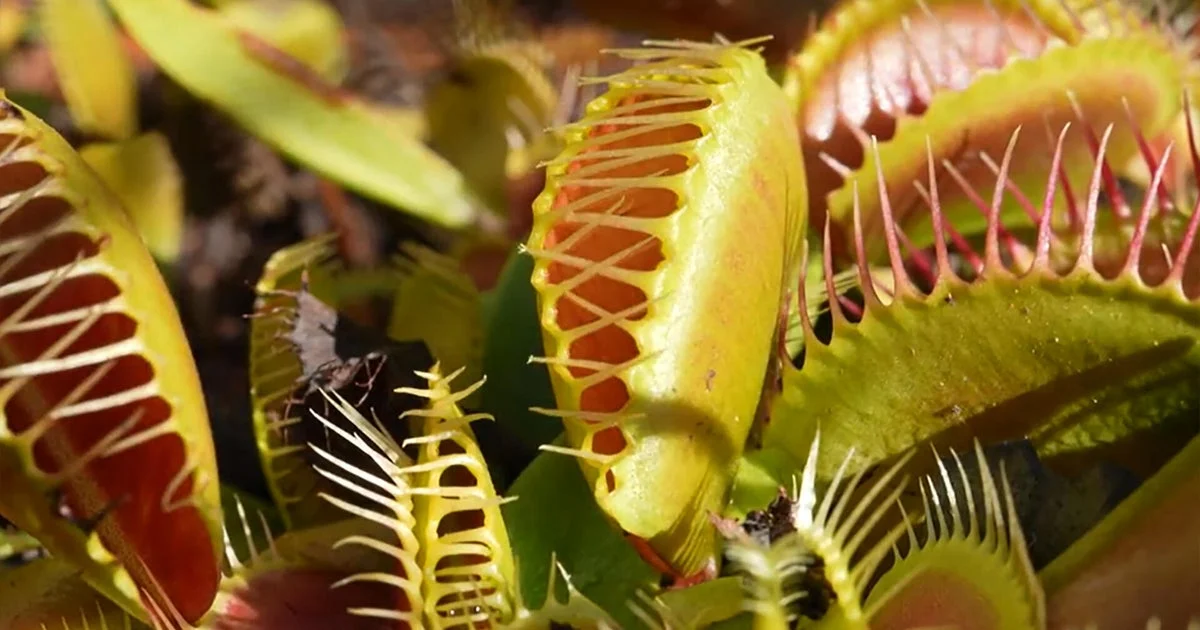
The Venus flytrap, a carnivorous plant native to North and South Carolina, is facing population declines driven primarily by habitat loss. Botanists and conservationists are actively working to preserve this unique species, recognized for its unusual predatory behavior.
Julie Moore, a botanist who has dedicated much of her career to saving Venus flytraps, highlights the urgent need for conservation efforts. The plant’s natural habitat continues to shrink, threatening its survival in the wild. Meanwhile, Damon Waitt, director of the North Carolina Botanical Garden, emphasizes the plant’s biological significance and its special place in botanical study.
Charles Darwin famously described the Venus flytrap as the “most interesting plant in the world” due to its carnivorous mechanism. The plant captures insects using modified leaves that snap shut when triggered, an adaptation rare among plants.
Why it matters
The Venus flytrap’s declining numbers illustrate the broader impact of habitat destruction on native species and biodiversity. Effective conservation can help prevent the loss of this ecologically and scientifically important plant, which also holds cultural significance in its native region.
Background
The Venus flytrap is endemic to a limited geographical region in the Carolinas, where it grows in nutrient-poor, wetland environments. These specific conditions have made it vulnerable to land development, fire suppression, and illegal poaching. Botanical gardens and conservation groups are working to raise awareness and cultivate protected populations to counteract these threats.
Read more Science Discoveries stories on Goka World News.
Sources
This article is based on reporting and publicly available information from the following source: