
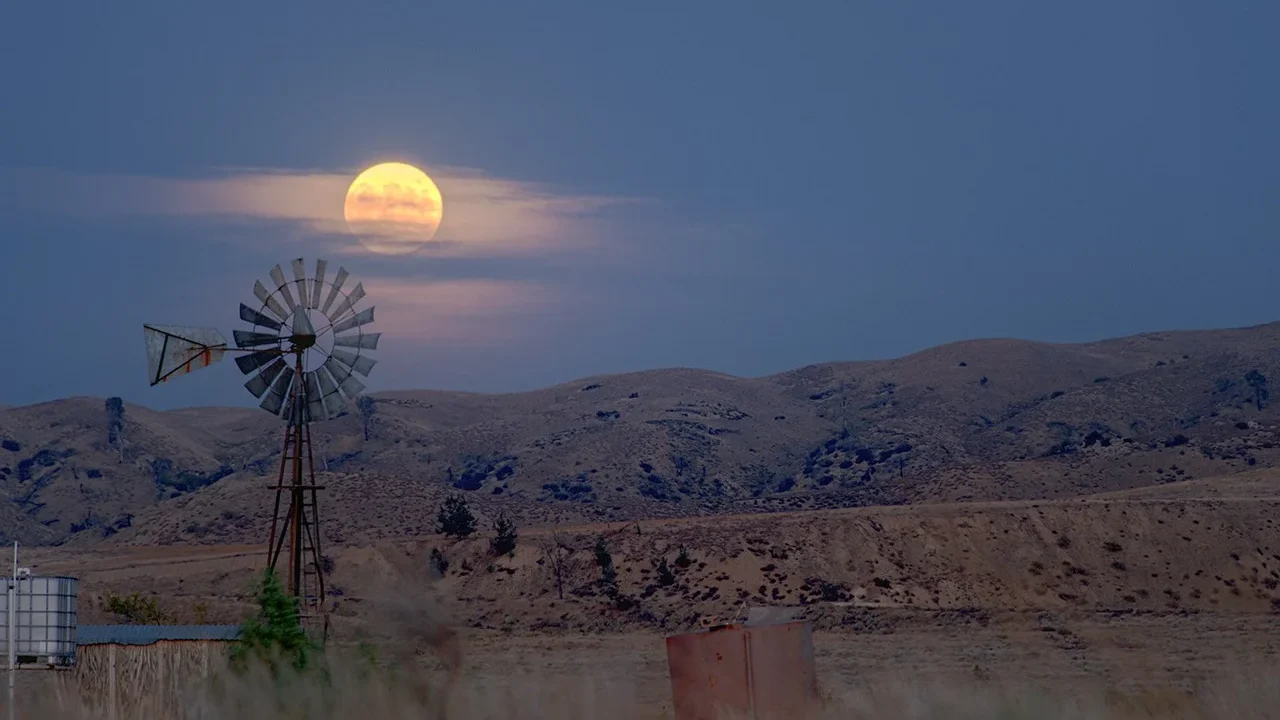
NASA has detailed notable skywatching opportunities for May 2026, including the peak of the Eta Aquarid meteor shower in early May, a conjunction of the Moon and Venus on May 18, and a Blue Moon on May 31.
Eta Aquarid Meteor Shower Peaks May 5-6
The Eta Aquarids, a meteor shower caused by Earth passing through debris left by Halley’s Comet, will peak in the predawn hours of May 5 and 6. These meteors appear to originate from the constellation Aquarius, giving the shower its name. The meteors enter Earth’s atmosphere at approximately 40 miles per second, sometimes leaving glowing trails after the initial flash. Under ideal dark-sky conditions, the shower can produce up to 50 meteors per hour. Observers are advised to look east before dawn, allow their eyes to adjust for 20 to 30 minutes, and avoid bright lights. However, NASA notes that this year’s bright moonlight may reduce the visibility of fainter meteors.
Moon and Venus Close in the Evening Sky on May 18
On May 18, shortly after sunset, the crescent Moon will appear near Venus in the western sky. Venus, often called the Evening Star, is one of Earth’s brightest visible objects. The close apparent alignment is due to the perspective from Earth, although the two bodies are millions of miles apart in space. This pairing makes for an easy and striking sight for casual skywatchers.
Rare Blue Moon on May 31
May 2026 will conclude with a full Moon on the 31st, which is designated a Blue Moon—defined as the second full Moon within a single calendar month. Despite the name, the Moon will not appear blue. Blue Moons are relatively uncommon, occurring about once every 2.7 years on average, which is the origin of the phrase “once in a blue moon.”
Why it matters
These events provide opportunities for public engagement with astronomy and observation of celestial phenomena connected to key solar system bodies and past cometary activity. The Eta Aquarid meteor shower’s link to Halley’s Comet—a historically significant comet last visible in 1986 and expected again in 2061—offers a direct connection to long-term planetary science. The Moon-Venus conjunction and Blue Moon provide accessible highlights for observers of all levels.
Background
Halley’s Comet is a periodic comet visible from Earth every 75–76 years. The meteors in the Eta Aquarid shower are fragments shed by the comet that burn up in Earth’s atmosphere as shooting stars. The Moon and Venus conjunction is a regular astronomical alignment caused by the orbits and positions of these bodies relative to Earth. Blue Moons occur due to calendar timing, not changes in the Moon’s appearance, and have been used historically to mark time intervals in folklore and astronomy.
Sources
This article is based on reporting and publicly available information from the following source:
Read more Space & NASA stories on Goka World News.